Hellenes Greek History and Mythology


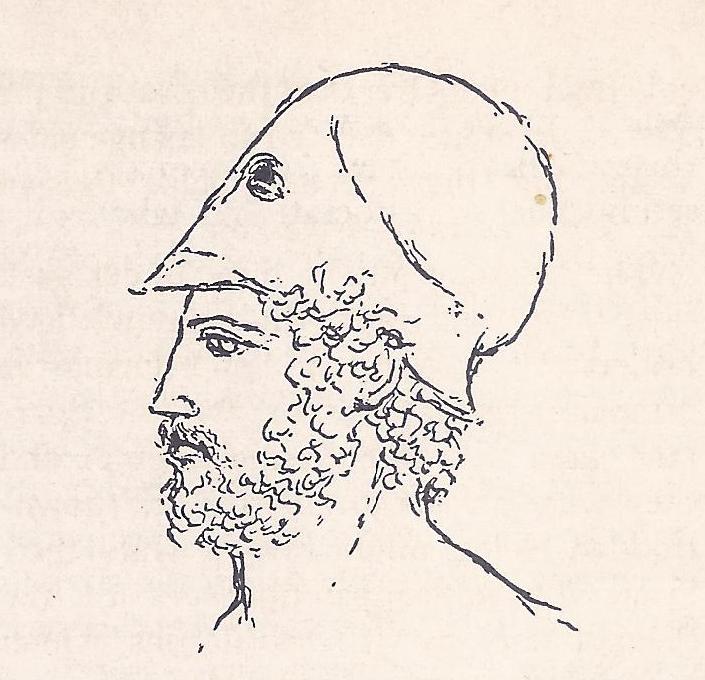

Before Pericles dies, the morale in Athens was low. For the second year in succession the Spartans had been allowed to lay waste to the countryside. This alone would have embittered public opinion. Now, in addition, there was the plague. People began to talk about suing for peace. Criticism of Pericles, already sharp enough in the previous year, now reached a point where it had to be answered.
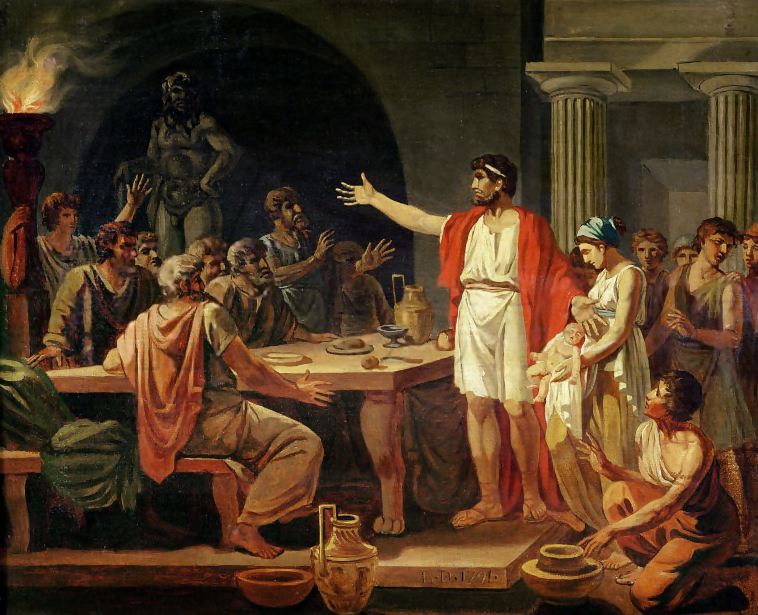
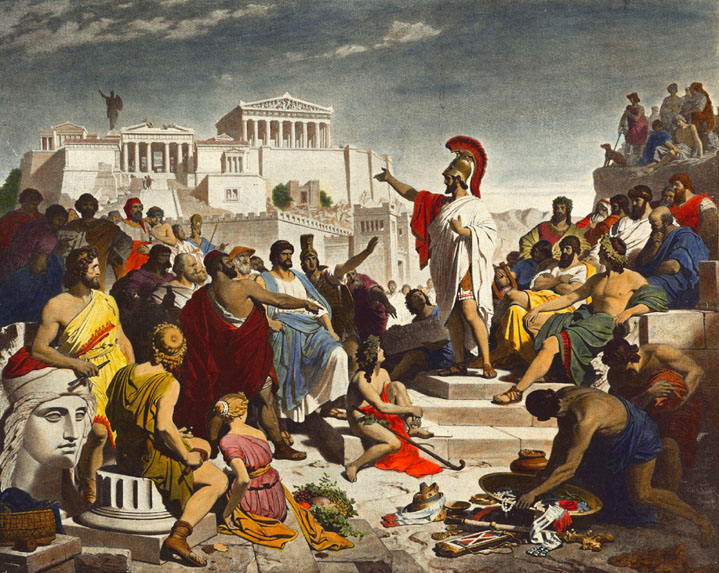
Pericles tries to appeal to the patriotism of the Assembly and then to their common sense. He said: “Let us be frank. What we have established is a kind of dictatorship. Perhaps we were wrong to do so, but we cannot risk turning back now.” He pointed out that his policy of avoiding a great land battle and trusting the navy had worked. The only factor he a had not foreseen was the plague. How could he have foreseen it?
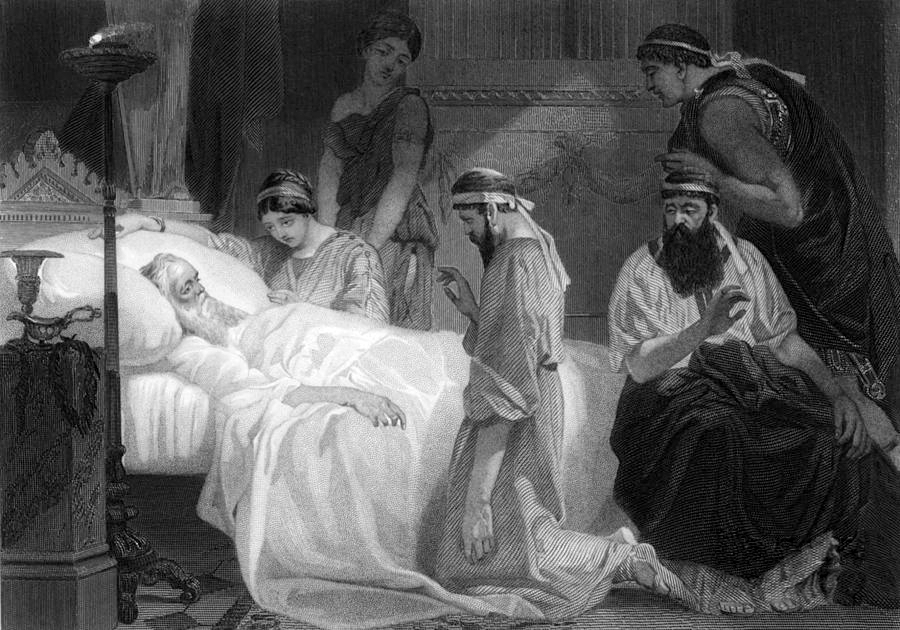
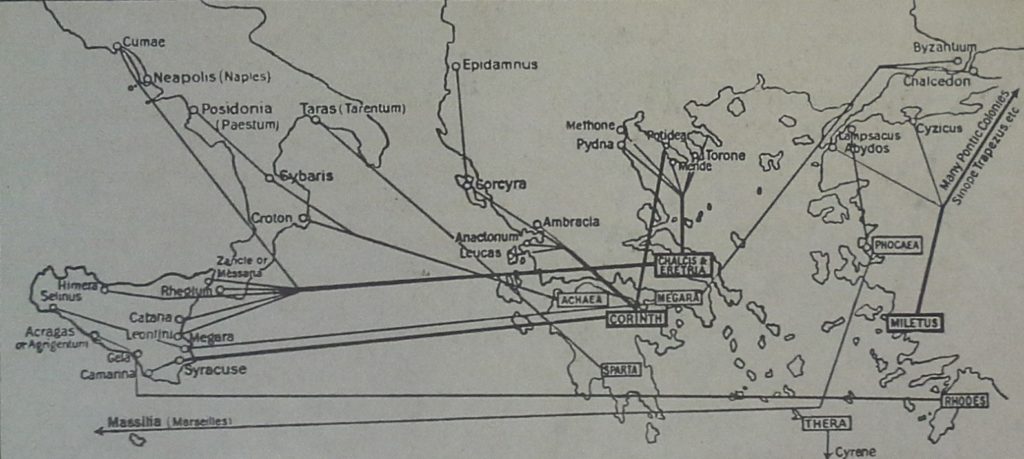
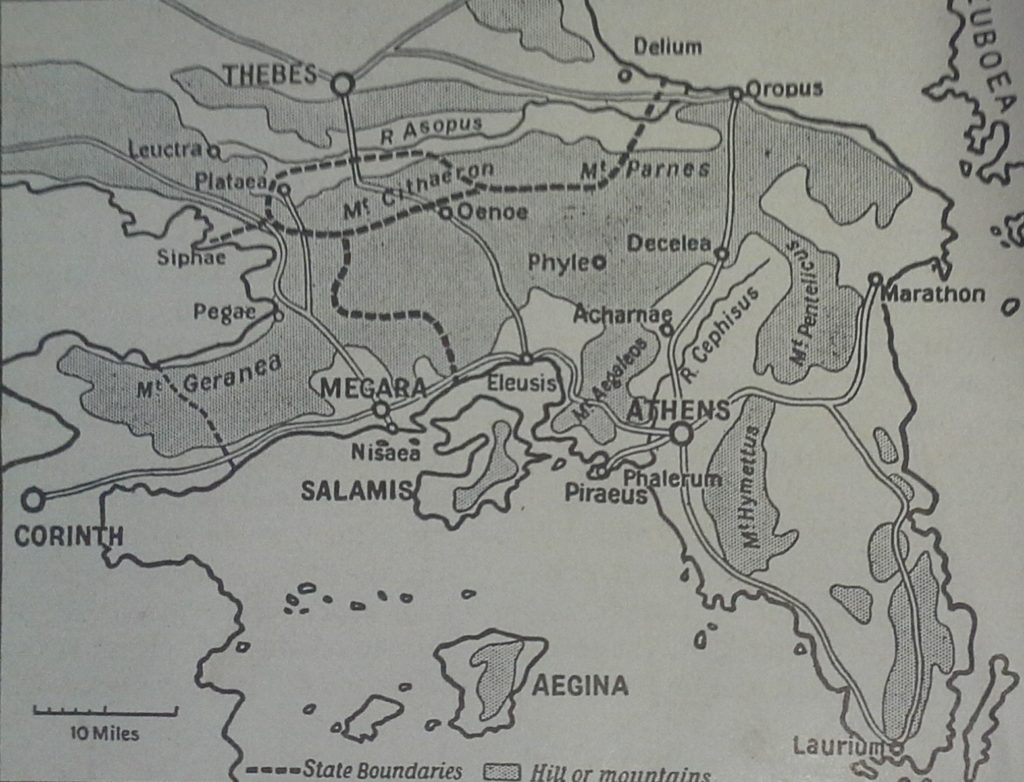
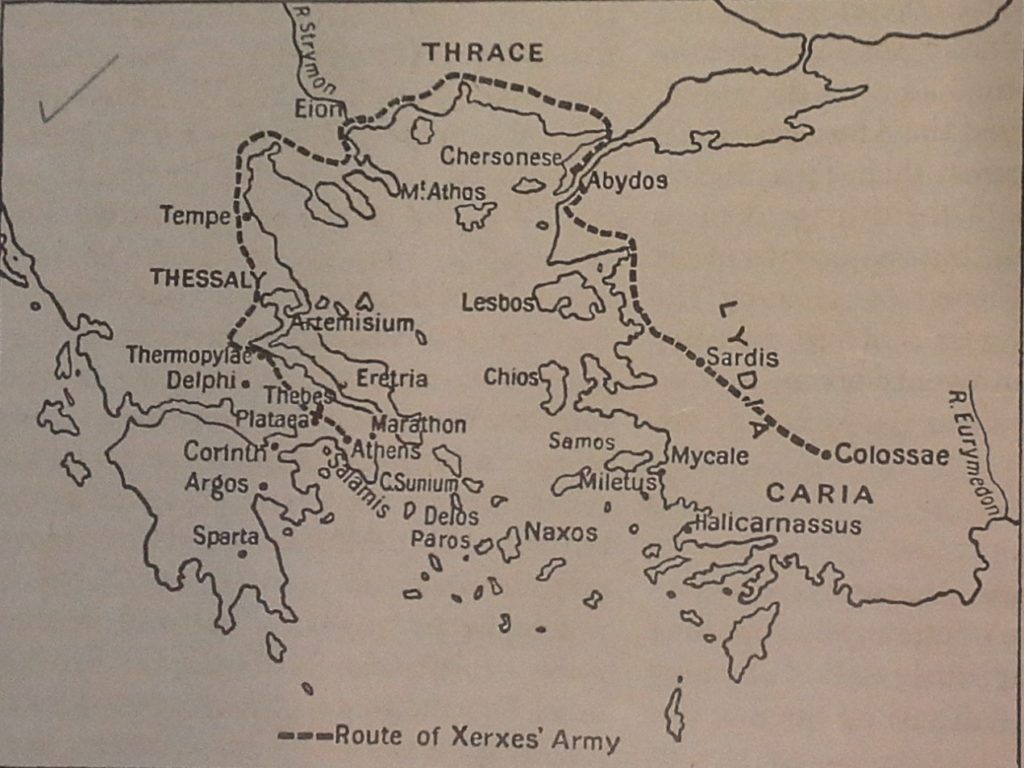
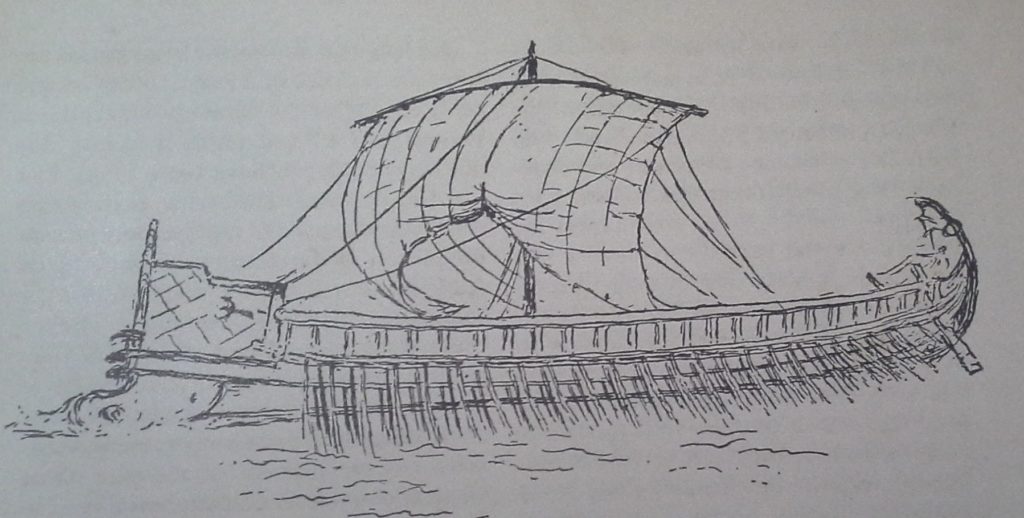
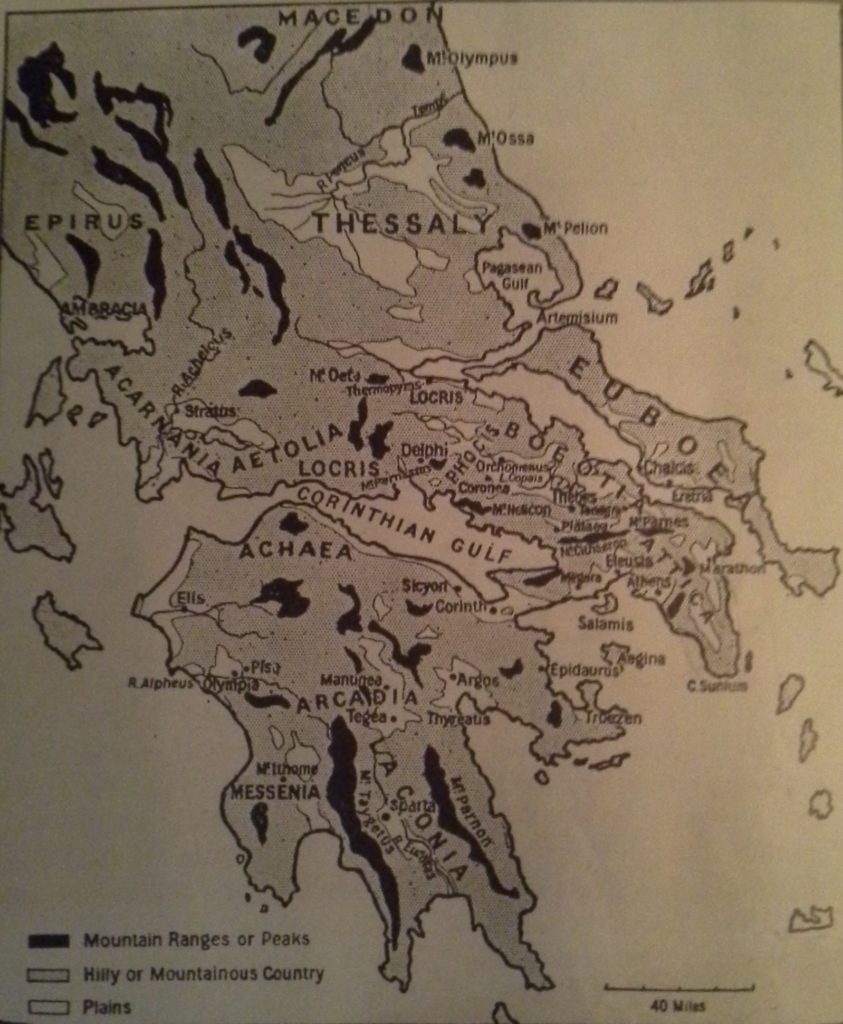
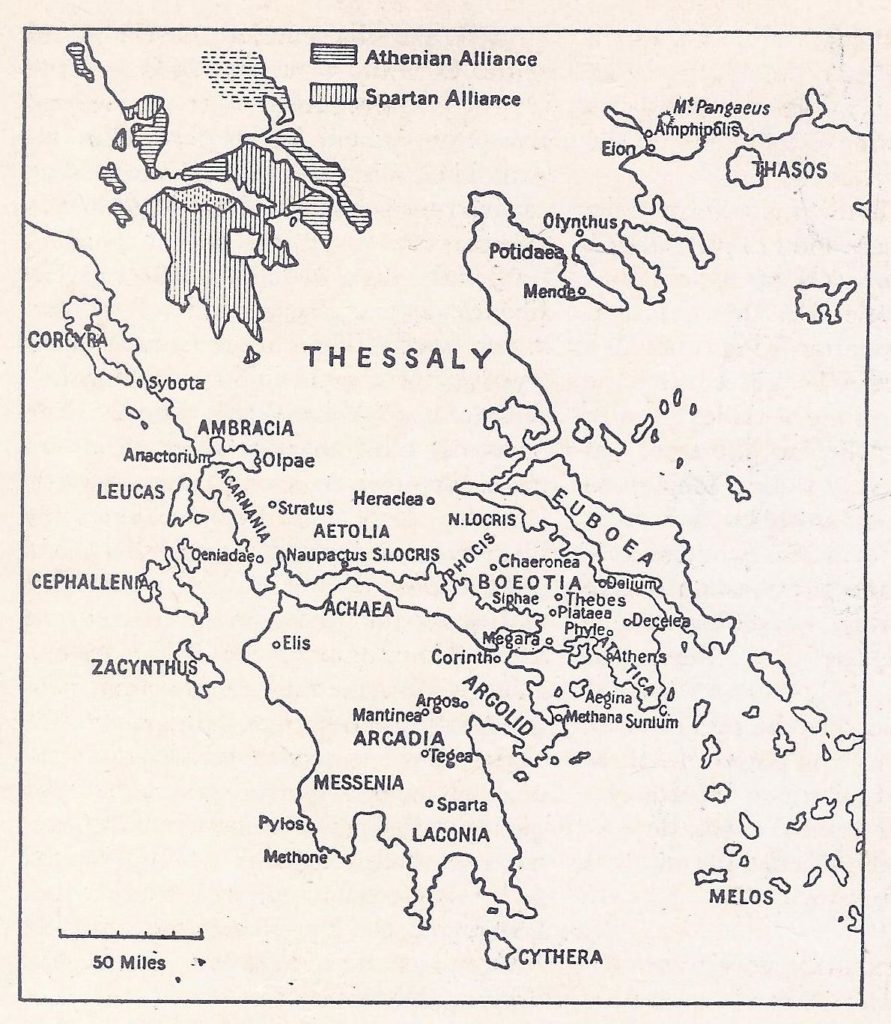
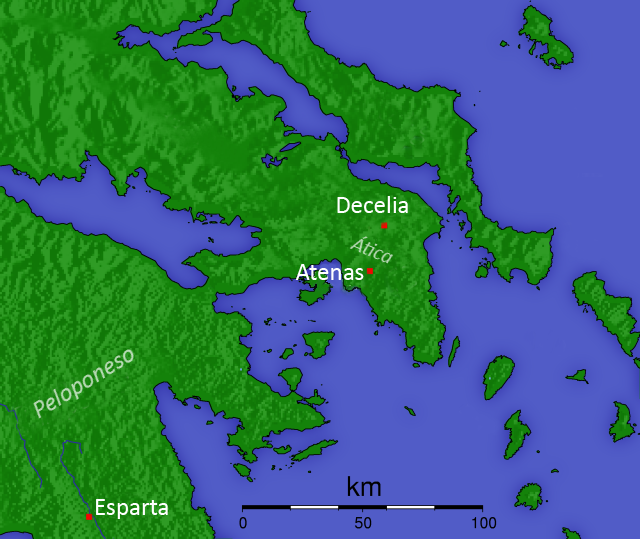
The fickle Athenians fined Pericles and then, not long afterwards, re-elected him as their general, but he never led them into battle again. In the summer of 429 the Spartans did not invade Attica. They besieged Plataea instead (Athens was bound by treaty to help Plataea, but did not do so. Two years later the town capitulated). In the autumn the Athenian admiral Phormio won a series of victories in the Corinthian Gulf, but by that time Pericles was very ill with a lingering form of the plague. It would soon be his turn for the funeral speech and procession. Soon his bier would be born through the streets preceded by hired mourners and flute players on its way to the pyre and he would lie on it with a coin pushed between his teeth, ready to pay the fare of Charon, the ferryman. People reminded him of his great victories, but he said that any commander who was lucky could win victories. He thought of the funeral. ‘Listen,’ he said, ‘this is much more important. I have never caused an Athenian to wear mourning.’
An Athenian mother, had any been present, might have cried out indignantly at this and thought of the sons for whom she had put on mourning — one perhaps fallen at the siege of Potidaea in the far north-east, another killed in the great naval battles of the Corinthian Gulf, a third dead of the plague. What right, she might have asked, had Pericles to say that no Athenian ever wore mourning because of him? She alone had worn it three times and there were hundreds like her.
Yet, Pericles was entitled to say what he did. He meant that other men in a position as powerful as his might have used it to get rid of their personal enemies. He had not waged private feuds; he had not even fought for his friends, as Pheidias had learned to his cost. He had fought and thought and built only for Athens and he had been able to do this because he knew how to handle the Athenian Assembly. He did not need to flatter them; he could afford to be frank. When they showed signs of wanting to go too far he brought them to their senses; when they panicked he put heart into them again; in short, he led them instead of being led by them.
Theoretically, as has been said, Athens was a democracy; but in fact, while Pericles lived, she was ruled by her first citizen. When Pericles dies, things are different. The Assembly showed that without his leadership it could become as cruel and as foolhardy as any tyrant or dictator.