Hellenes Greek History and Mythology
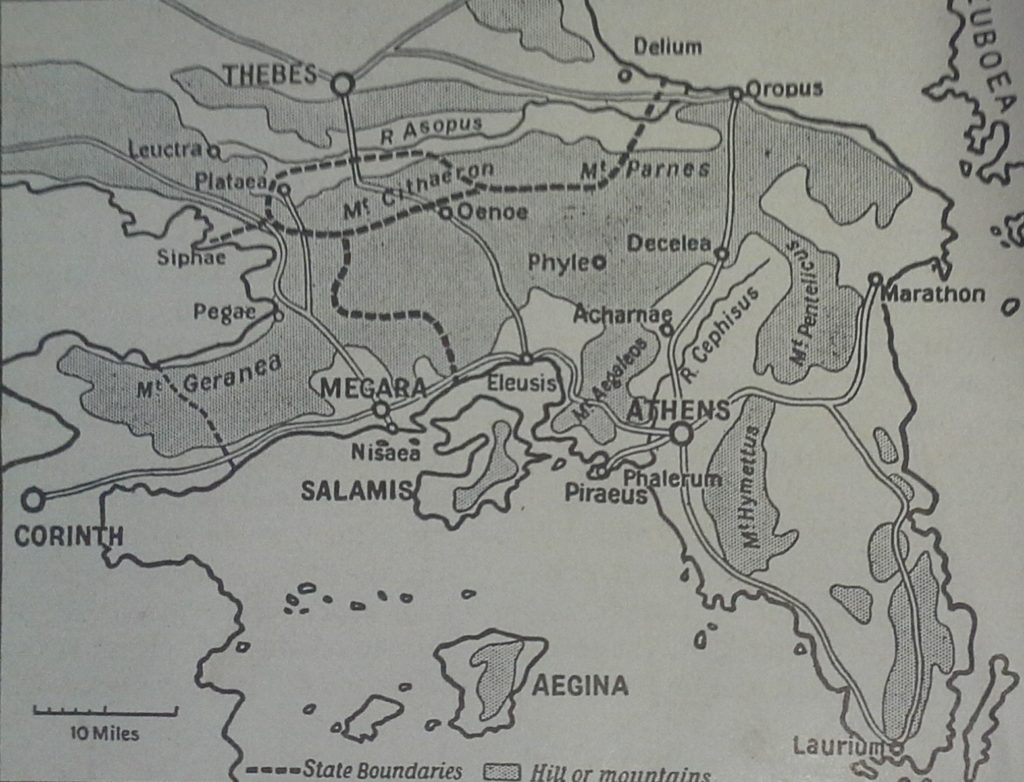
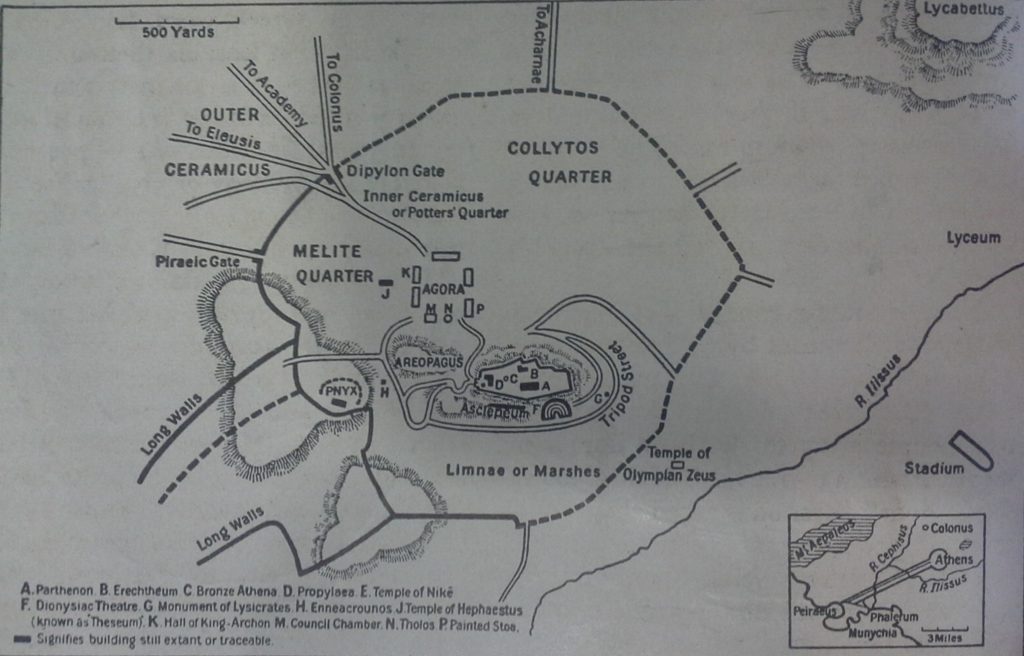

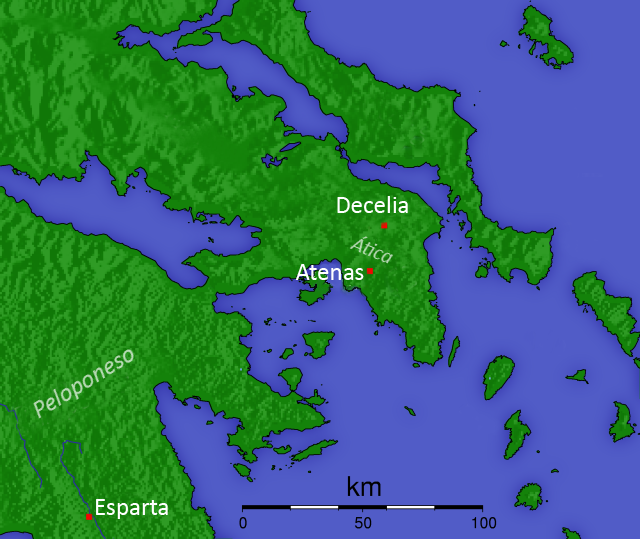

In spite of the fact that they had fought as allies against Persia, Sparta and Athens did not like each other any better when the war was over. In 478, when the Athenians started to rebuild their fortifications, Sparta objected and Themistocles had to arrange for negotiations to drag on until the walls were finished. There followed the Spartan failure to lead the Ionians against Persia, while Athens founded the Delian League.
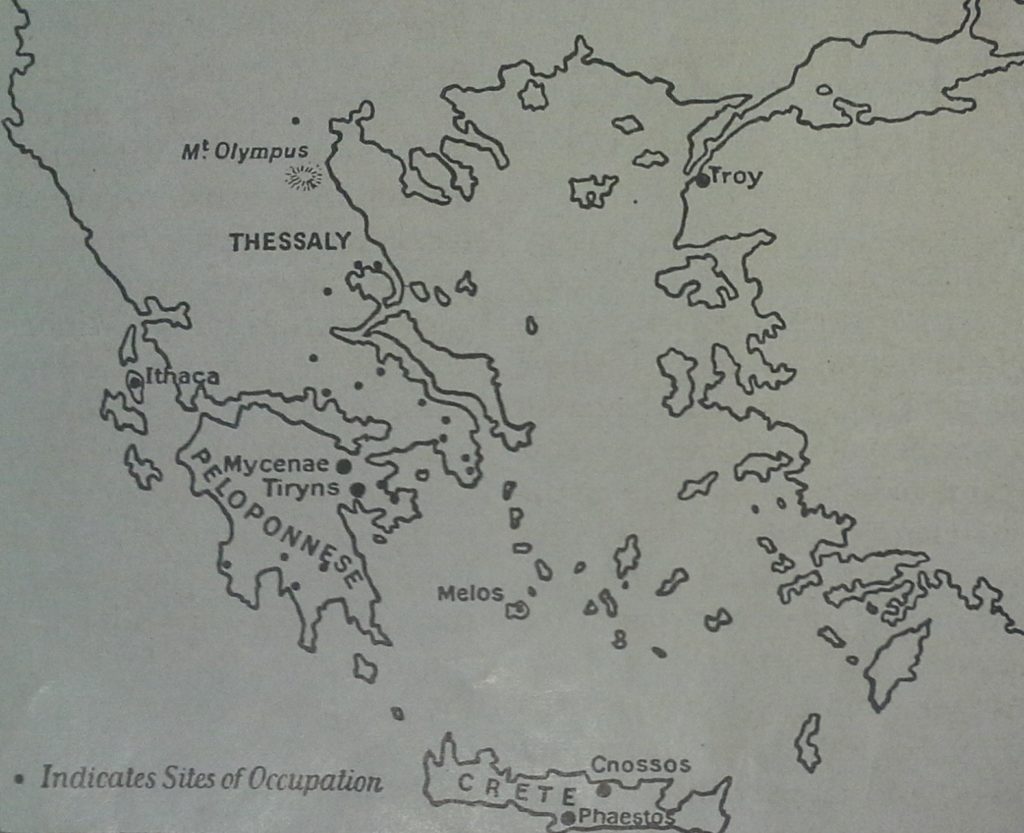
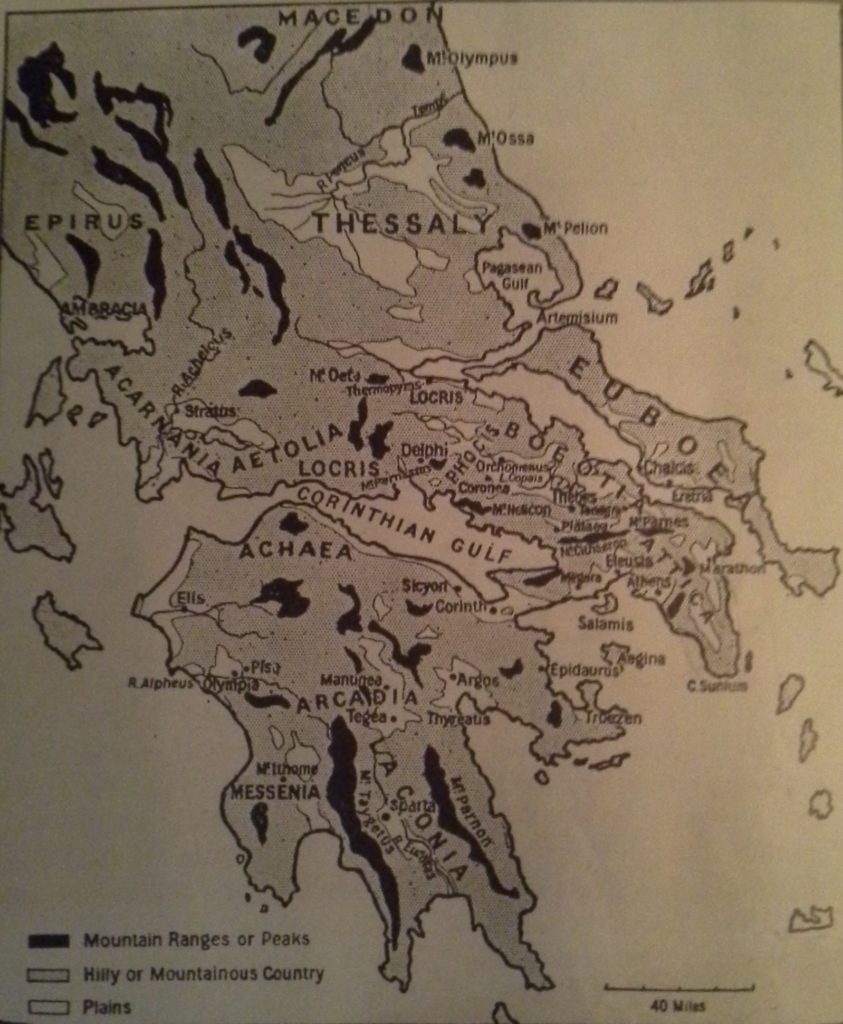
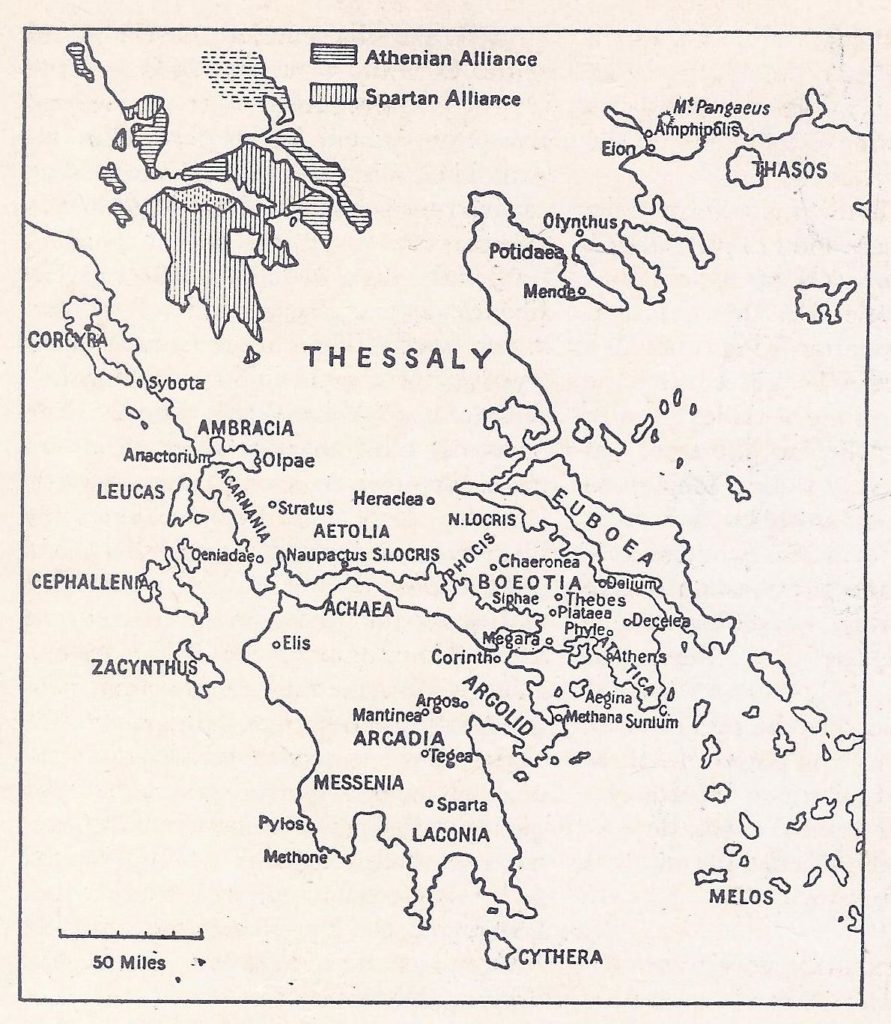
In 464 the long dreaded revolt of the Helots began, following an earthquake which had laid the town of Sparta in ruins. After some savage fighting the Helots were forced to take refuge on the hill of Ithome, where they managed to hold out for the next ten years. The Helot revolt provided a chance for Athens either to win Spartan gratitude by helping to capture Ithome, or to take advantage of her old enemy’s embarrassing situation. She tried both.
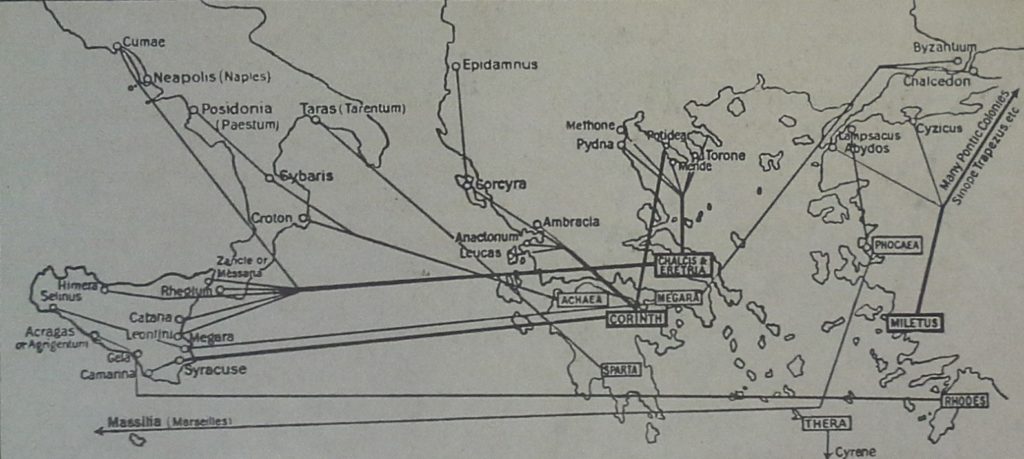
Since Cimon, was pro-Spartan and an aristocrat, it was natural for him to support an upper against a lower class. He persuaded the Athenians to send him with a strong force in response to the Spartan appeal for help (462). But a quarrel arose when the force reached Ithome and the Spartans asked the Athenians to leave again. This insult enraged the Athenians. Cimon was ostracised and Athens formed an alliance with Argos, Sparta’s traditional rival in the Peloponnese. When the Helots finally surrendered (454), on terms which allowed them to leave the Peloponnese, Athens settled them at Naupactus, a harbour commanding the passage up the Corinthian gulf.
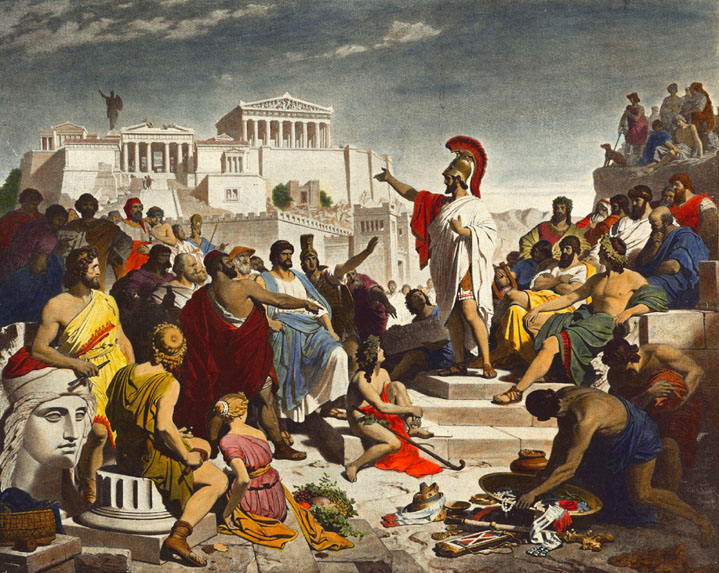
Sparta was still the most formidable land power in Greece and in 445 a Spartan army reached the walls of Athens, but there was no battle. On this occasion, Pericles and the Spartan King concluded a thirty years peace. Athens recognised the supremacy of Sparta and her allies on land; Sparta accepted Athenian supremacy at sea. This was all very well as long as no further disagreement arose; but as soon as a disagreement or rather two disagreements did arise, the old question had to be faced again. Who was going to give way? Neither Sparta nor Athens was willing.
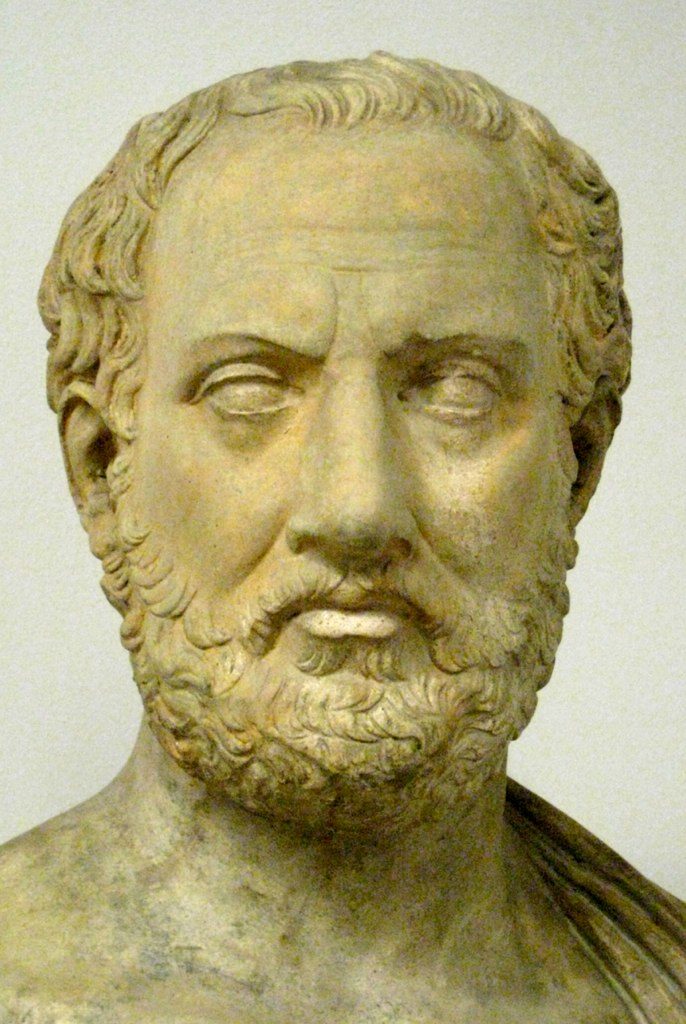
Thucydides said that the real cause of the war was the growing power of Athens and the resultant alarm at Sparta. He then went on to describe the ‘occasions’ — the incidents which preceded the outbreak of war. There were two.