City-States and Colonies

This entry is part 8 of 49 in the series Hellenes Greek History and Mythology

Hellenes Greek History and Mythology
hellenes

Who were the Hellenes?

Minotaur

Theseus and the Minotaur

minos

The Palace of Minos

troy

Helen of Troy

hector

The Wooden Horse

Trojan

Was there a Trojan War?

migration

The Migration

city-states

City-States and Colonies

delphic oracle

The Delphic Oracle

olympic games

The Olympic Games

sparta

Sparta

A Spartan grows Up

athens

Athens

Solon

tyrant

A Tyrant Who Was Not Tyrannical

Athenian Democracy

ionian greeks

The Ionian Greeks

marathon

Marathon

athenian

The Rivals

xerxes

The Second Persian Invasion

Thermopylae

Persian Soldier

“Wooden Walls” and Salamis

aeschylus

Aeschylus

theseus

Theseus Comes Home

delos

The Confederacy of Delos

The Athenian Empire

herodotus

Herodotus, The Father of History

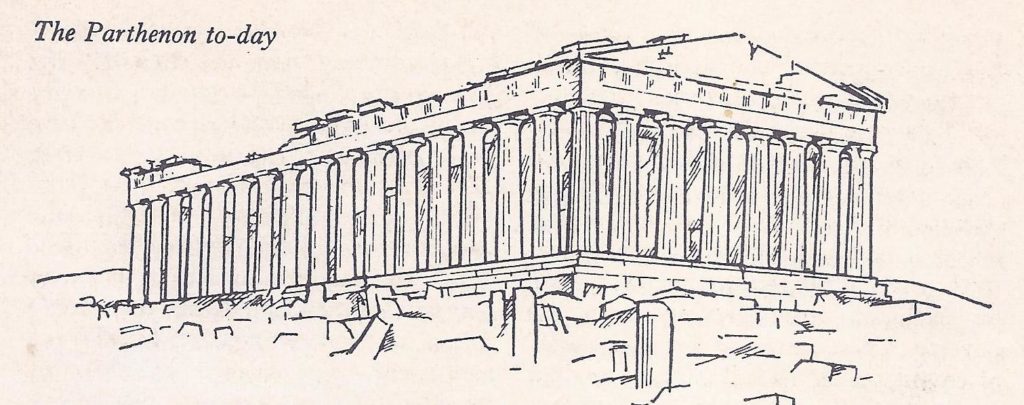
parthenon today

The Parthenon

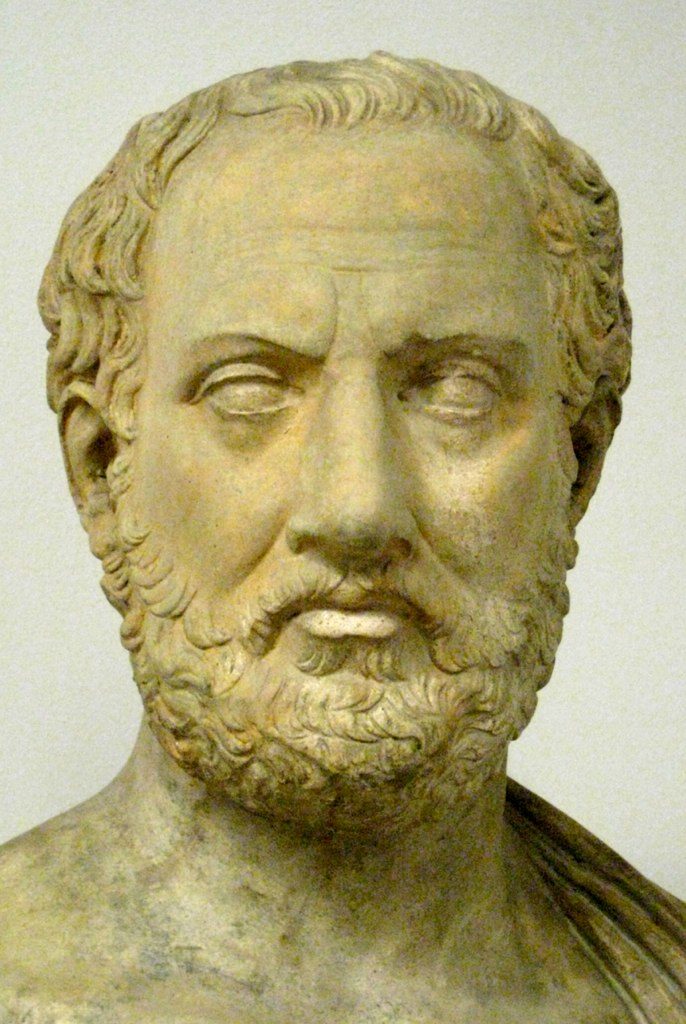
Thucydides

Thucydides

Athens fight Sparta

Why Did Athens Fight Sparta

The Peloponnesian War

The Peloponnesian War Begins

athenians and death

Athenian Death

Hippocrates and Disease

pericles dies plague

Pericles Dies

Cleon Tanner

Cleon the Tanner

peace

Peace

Socrates

Socrates

Alcibiades

Alcibiades

Hermes, Sicily

Sicily

Hecuba, Queen of Troy

Hecuba, Queen of Troy

Decelea

Decelea, a Thorn in the Flesh

oligarchy

Oligarchy and Athens in Defeat

socrates' death

Socrates’ Death

xenopon

Xenophon

damocles' sword

Damocles’ Sword – The Fourth Century

Plato

Plato

Alexander of Macedon

Alexander of Macedon

Old Europe Crumbles (451 – 520 A.D.)

Hellenistic Age – Alexandria and Byzantium

Hellenistic Age – Alexandria and Byzantium

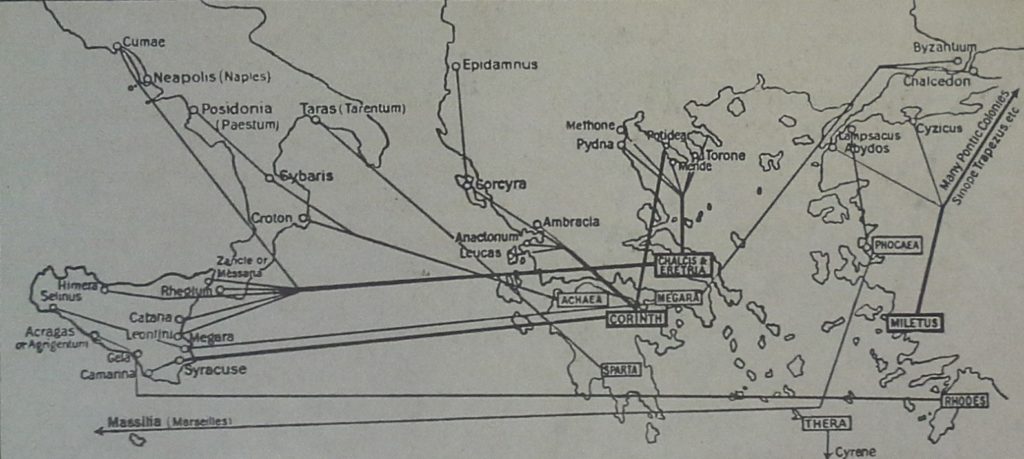
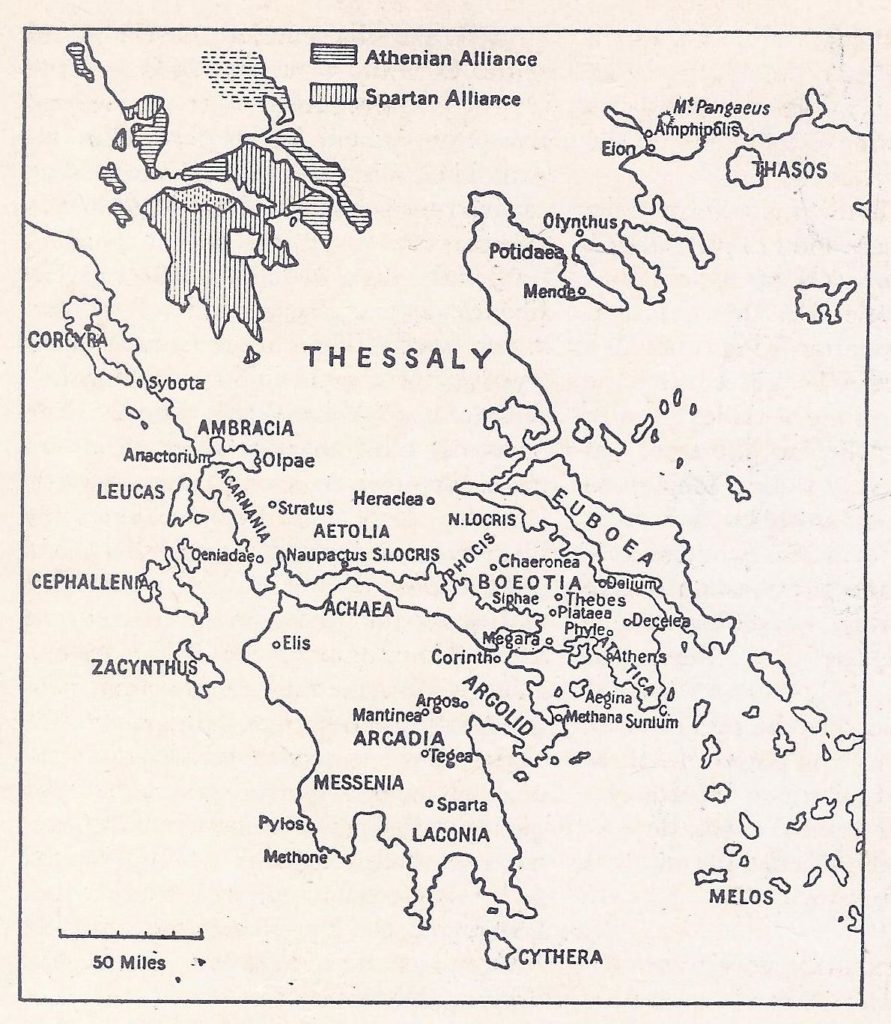
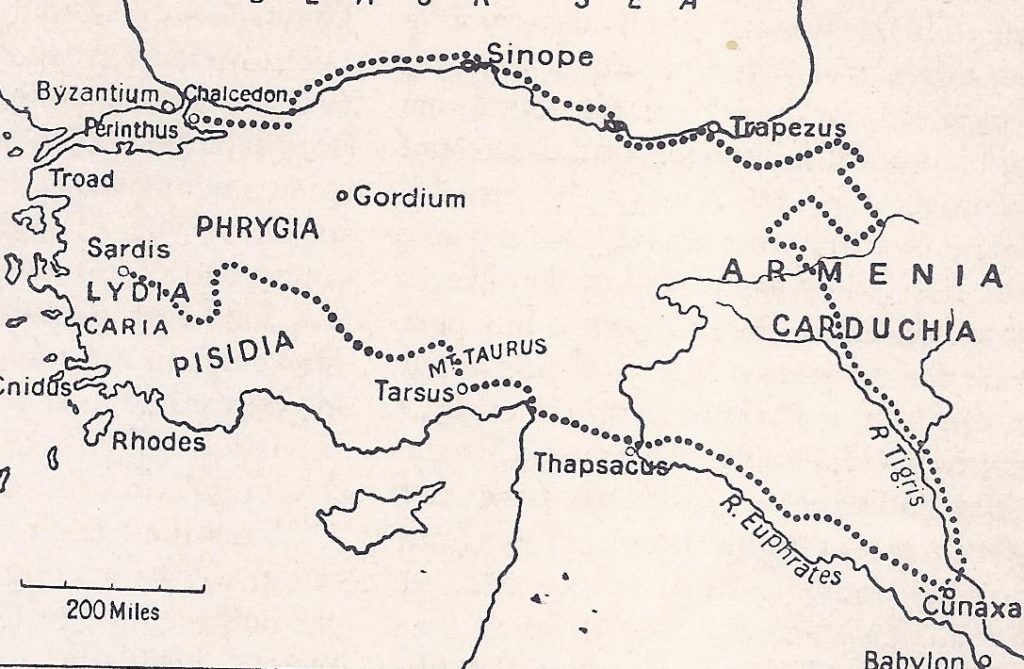
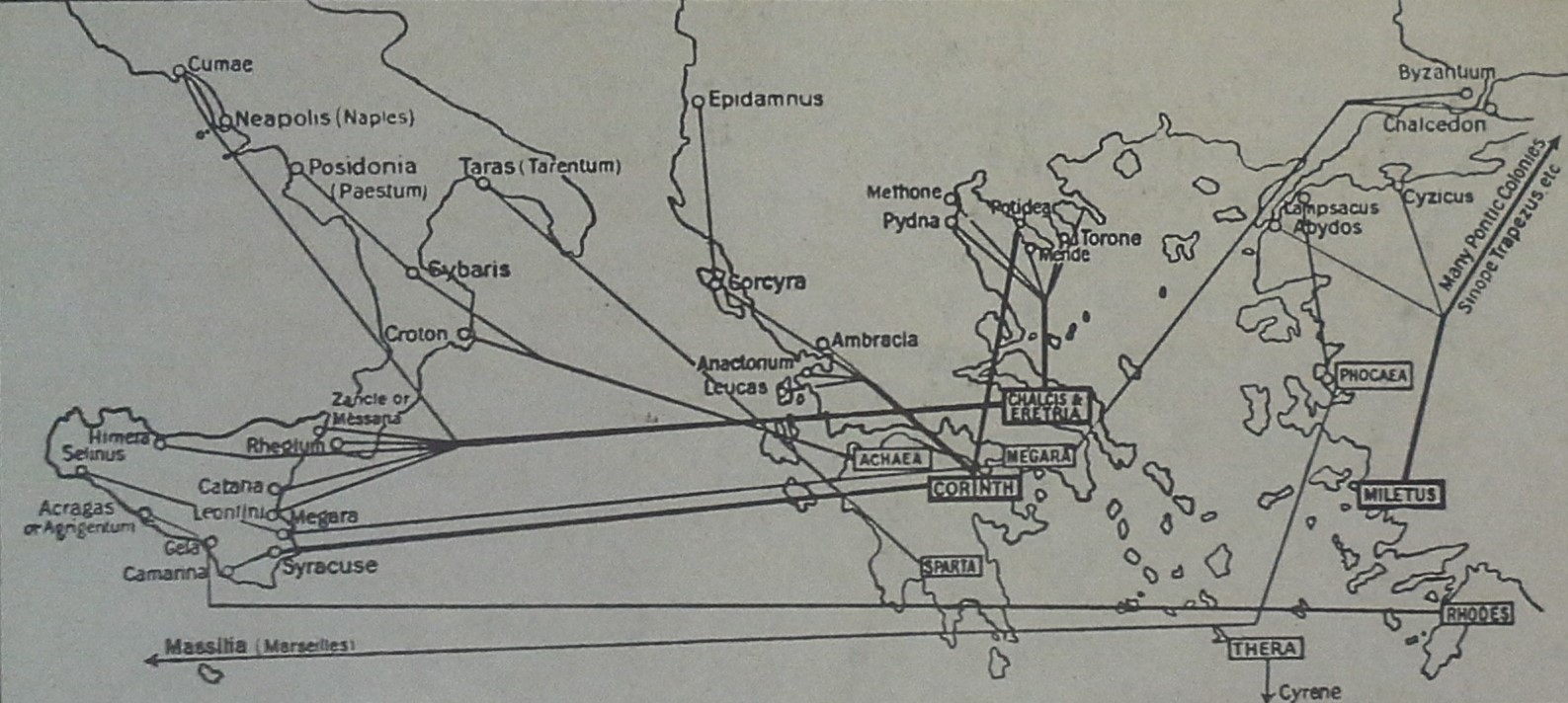
The two hundred years after 800 B.C. saw a great expansion of the Greeks by colonisation. Colonisation is a more orderly kind of migration. The Greeks now lived in numerous small communities, often no more than towns with surrounding farmlands. They are therefore called “city-states”. Some of these city-states now sent out colonies to southern Italy, Sicily and also to the Black Sea. These colonies became independent but they kept in touch with their mother-city. Miletus in Ionia sent out many of the Black Sea colonies. Byzantium, now Istanbul, was founded by Megara a city near Athens. The most important of the western colonies, Syracuse, was founded by Corinth. Sparta founded Taras (Taranto) in Italy. Marseilles in the south of France was first colonised by Greeks from Asia Minor. One of the Aegean islands founded Cyrene in North Africa. A map of the Greek world about 600 B.C., when the period of colonisation was over, has therefore to cover most of the Mediterranean.

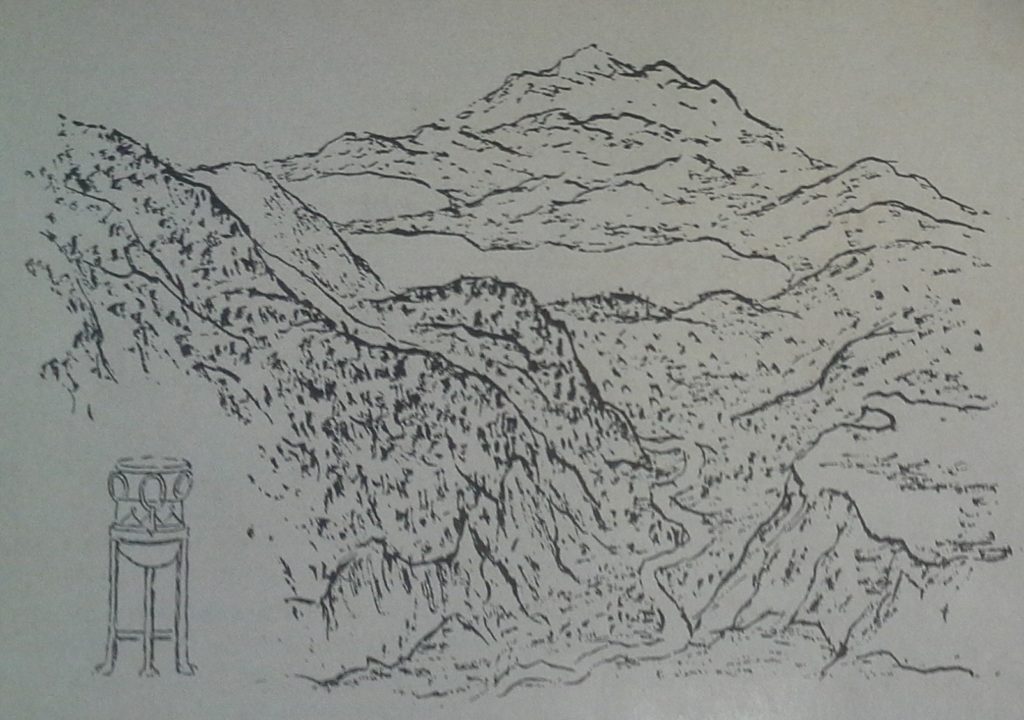
When a people expands in this way it is usual to speak of their “empire” and a map of it shows somewhere a city in extra large print, which is the capital — Babylon, for example, or Egyptian Thebes, or Rome. At this time (c. 600 B.C.) the Greek city-states and their colonies, being independent of each other, did not constitute an empire and acknowledged no capital. There were however two places which all Greeks regarded with reverence. One was Delphi and the other was Olympia.

Hellenes Greek History and Mythology
The Migration The Delphic Oracle