Hellenes Greek History and Mythology


Cimon was rich and pro-Spartan, but generous. He kept open house and invited the public to make use of his garden and grounds. It was said that he got riches that he might use them and used them that he might get honour by them. This was in fact the course which Athenian Empire herself now began to adopt; but Cimon was not destined to steer her along it.
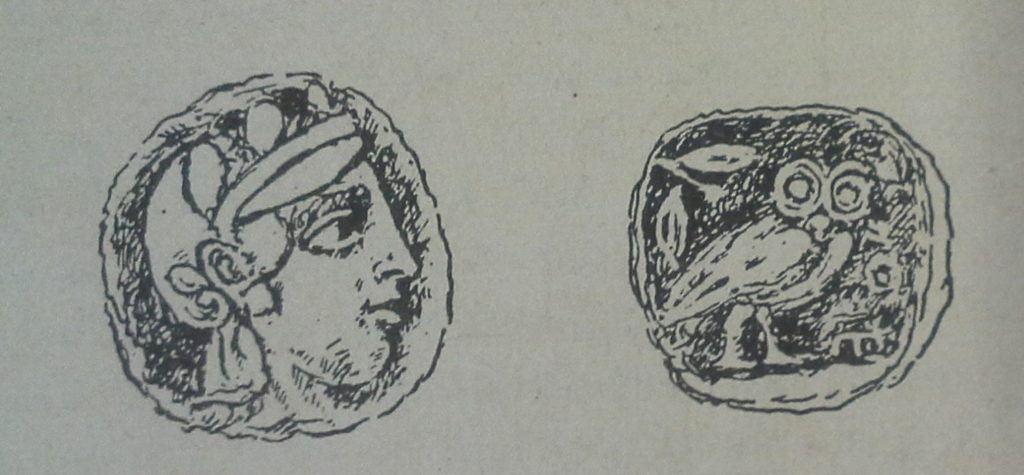
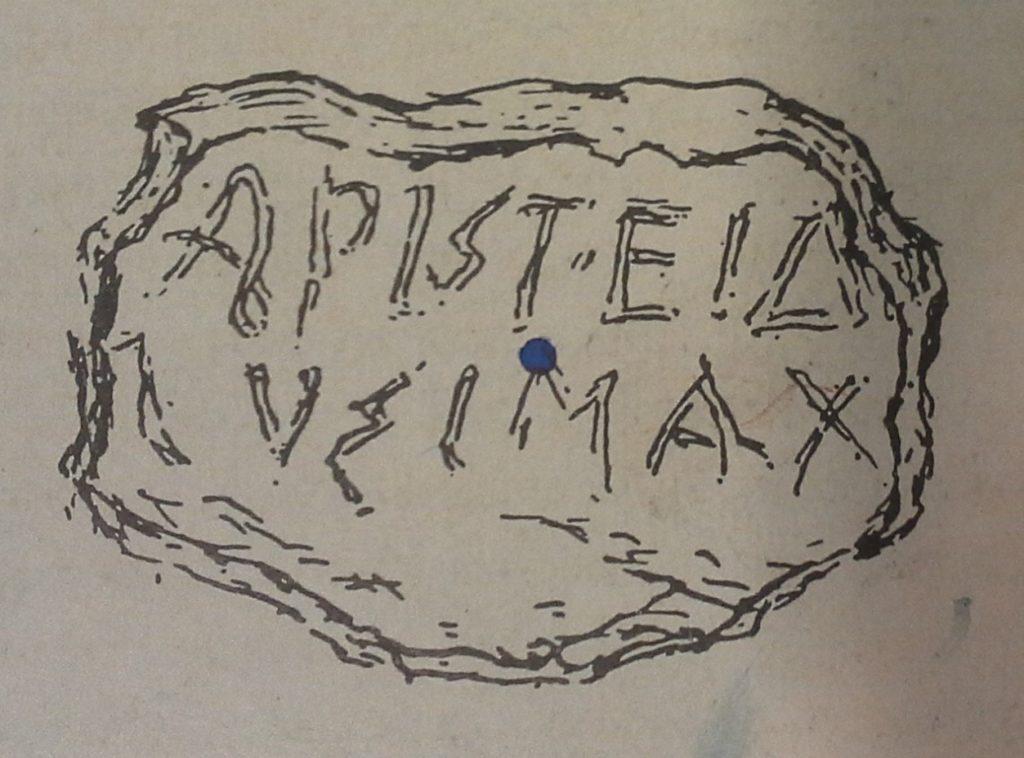
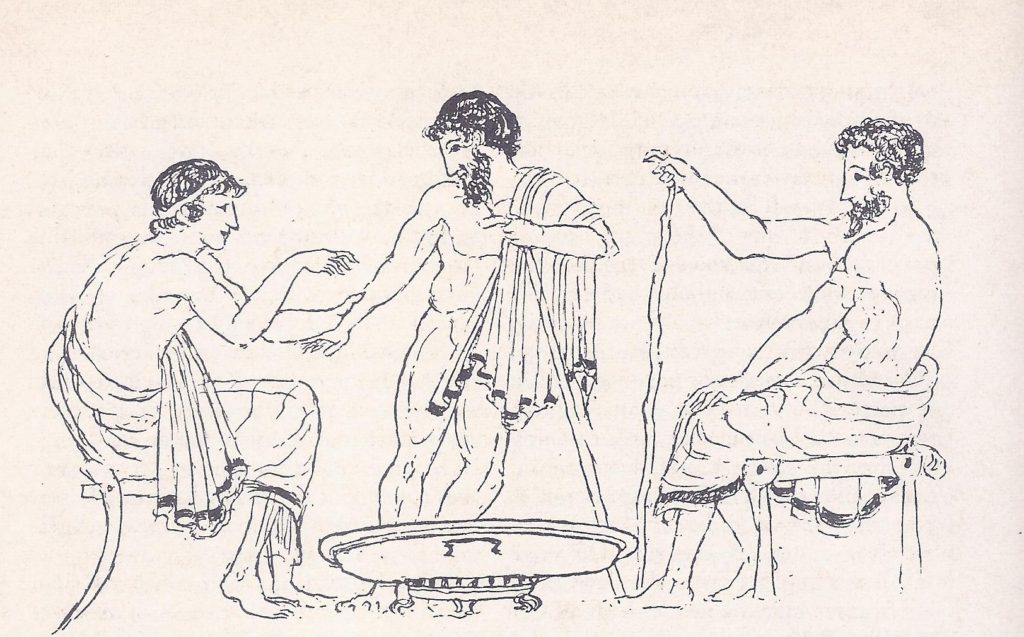
He had a rival, Pericles. In 461 the queer process of ostracism was once again brought into operation. (For the events leading up to this see) Every citizen scratched a name on a piece of broken pottery. When the count was made it became clear that fear of Sparta meant more to the Athenians than the use of Cimon’s garden. Cimon had to go. For the next thirty years Athenian Empire was guided by Pericles.
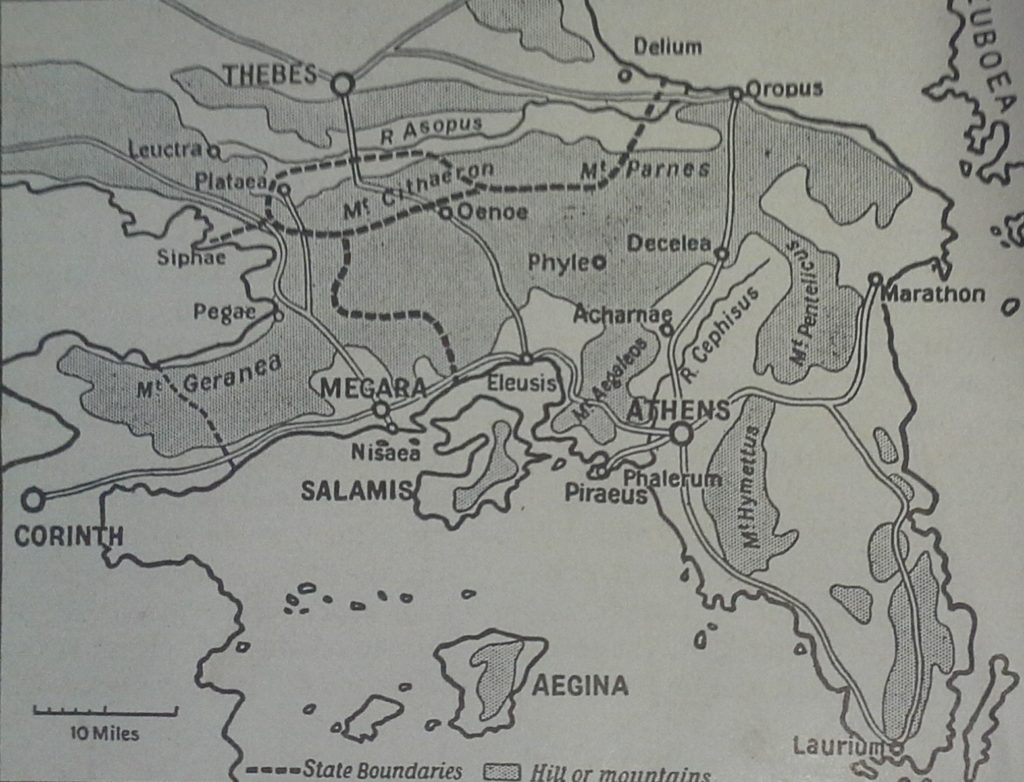
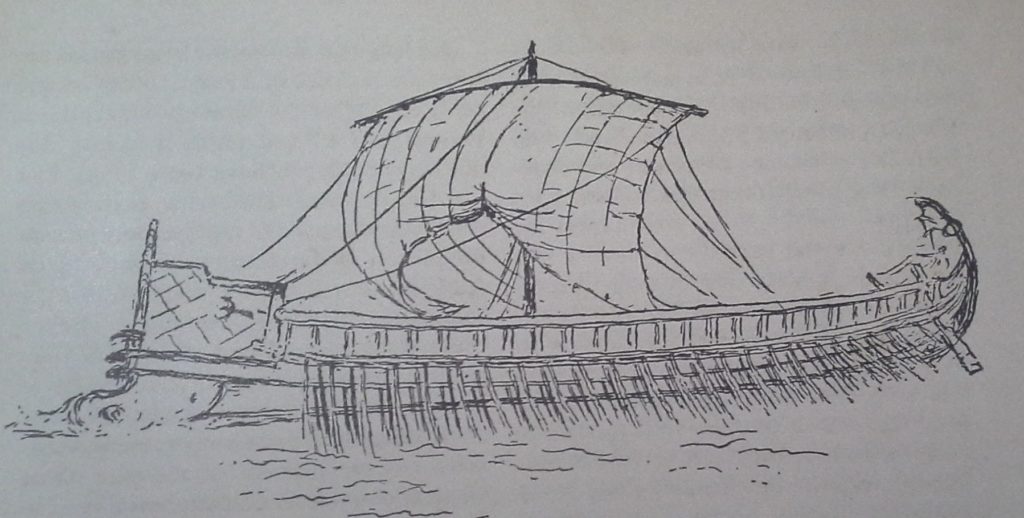
In 454 things went badly for Athens. She lost 200 ships which had been sent on an expedition as far afield as Egypt. What if the Phoenician vassals of Persia should choose this moment to raid Delos and rob the treasury of the League? They must not be given the chance. Once again, just as at the time when she had prevented the secession of Naxos, the action taken by Athens was very reasonable and at the same time very advantageous to herself. She removed the League’s accumulated wealth from Delos to Athens. Finally, in 451, rights of citizenship were restricted to men whose father and mother were Athenian born. This limited the number of those who were entitled to share in the spoils of what could now be called, not a confederacy, but an empire.
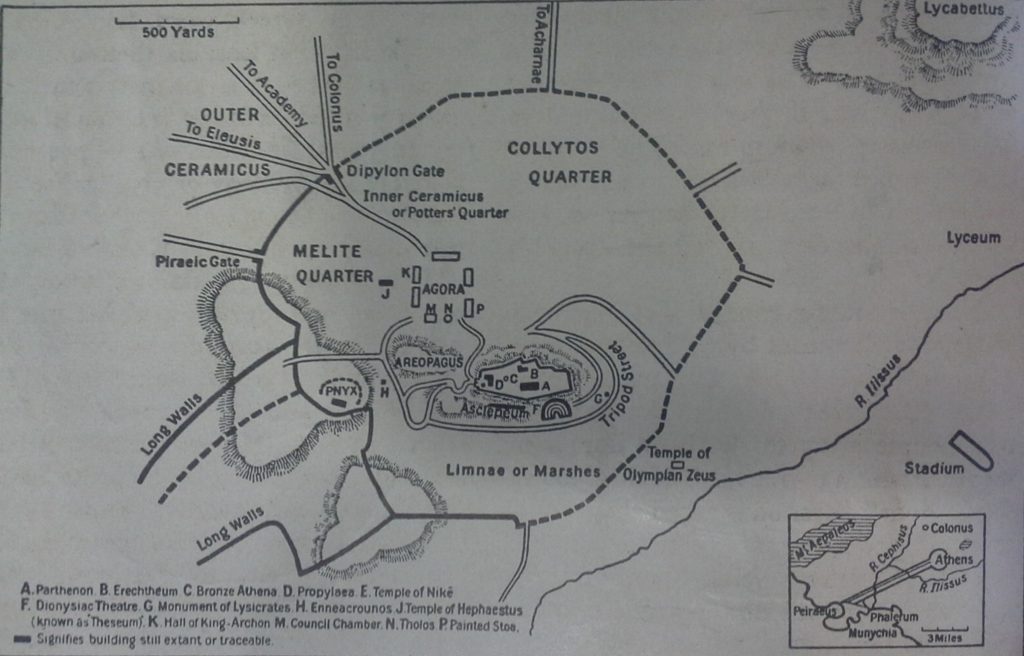
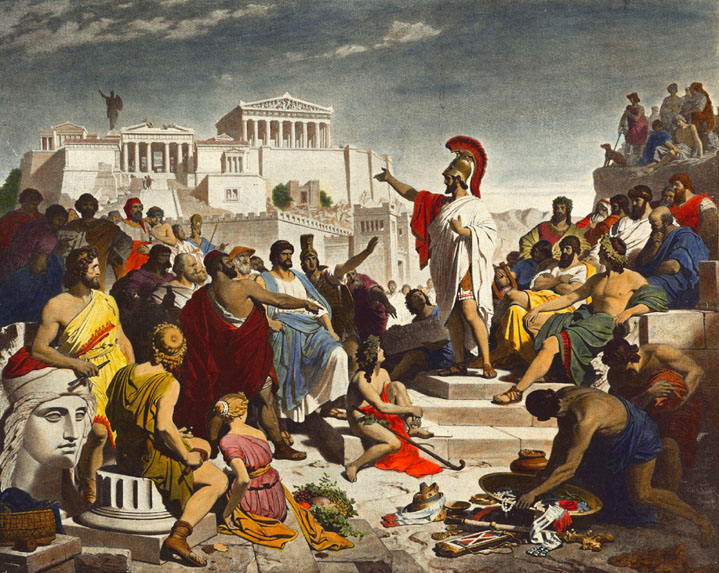
While Athenian Empire thus became more autocratic towards her former allies, her own system of government, as far as full Citizens were concerned, became more democratic. Pericles went farther than Solon or Cleisthenes. The Assembly was now made the ruling body, assisted by the Council of five hundred, which carried on business between the Assembly’s meetings. The old aristocratic council of the Areopagus lost almost all its powers. The archonship was thrown open to citizens even of the lowest class and archons, councillors and jurors henceforth received pay, so that no one should be excluded from serving owing to poverty. These were some of the ‘perks’ of empire which made Athenians anxious to restrict full citizenship. Another was the chance of inclusion in a cleruchy, a colony sent out to settle at some point which was strategically important to Athens, e.g., on the trade route along which corn supplies reached Athens from the Black Sea.
The ten generals, elected annually by the Assembly, continued to exercise more influence than the archon, who was chosen by lot. It was on his election as president of the ten generals that Pericles depended for his power, year after year. This power, although arrived at democratically, became so great as to give rise to the remark that Athens was “in theory a democracy but in fact under the rule of her first citizen”.
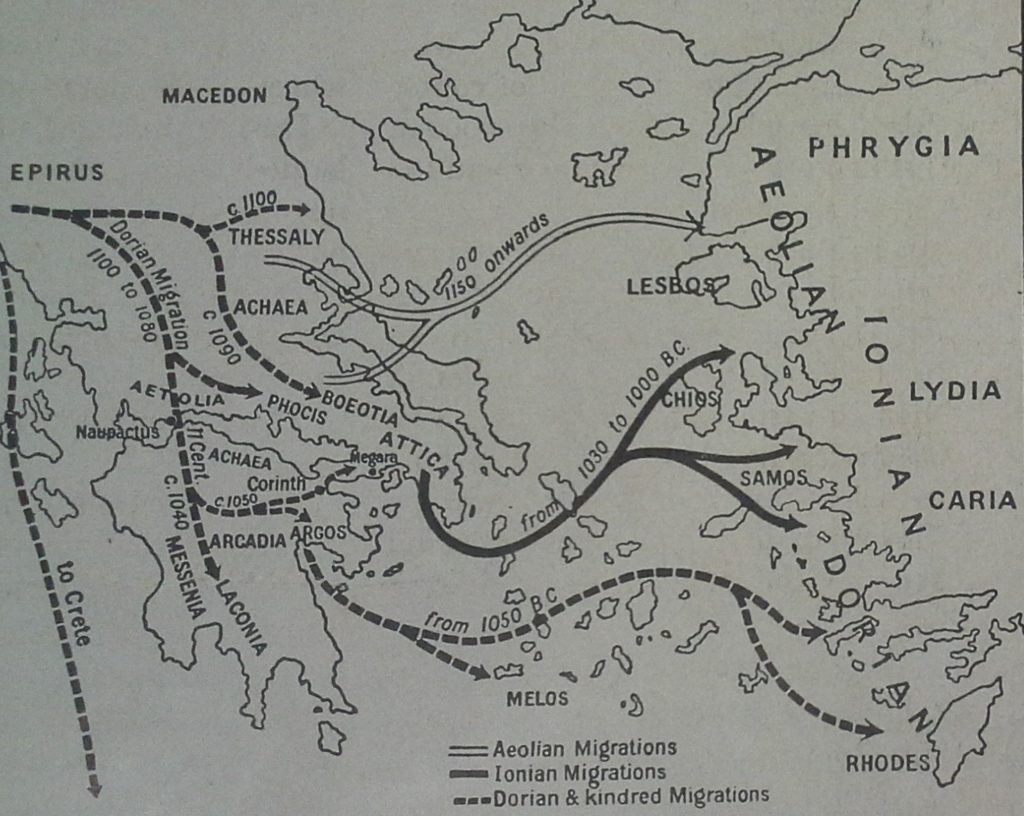
In 447 peace (The “Peace of Callias”) was finally made with Persia. That was the time to argue, as a few Athenians and many League members did, that the Confederacy had now served its purpose. It had been founded to complete the liberation of Greeks from Persians, which Salamis had begun. The islands and the cities of Ionia were now free. Why not dissolve the League?
The official answer was still the same. Peace or no peace, the Persian danger was still there and the Athenian navy was the best guarantee against its flaring up again. The navy protected the whole Aegean; so the whole Aegean should contribute towards it; and as to expenditure of any surplus, after the navy had been supplied, would not all members of the League benefit if their capital city was beautified?
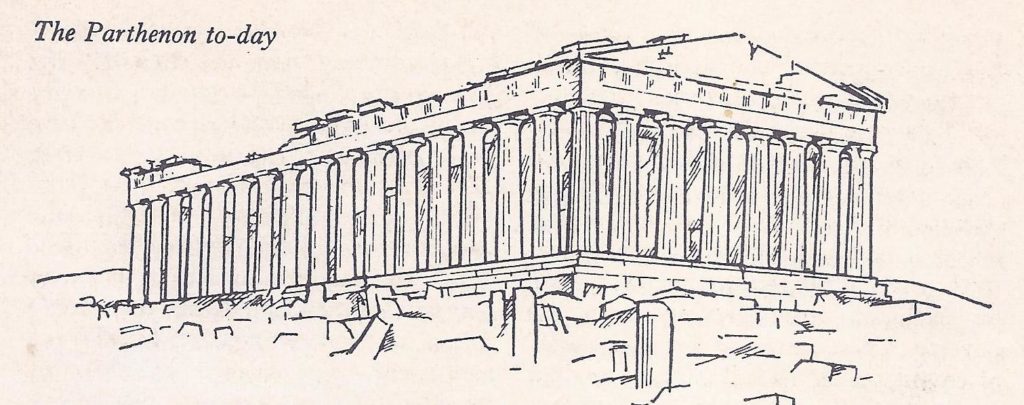
The real reason why Athenian Empire did not dissolve the Confederacy was simple. Athenians liked getting the tribute. Workmen were now engaged on the early stages of the Parthenon, the new temple of Athena which was to overlook the city. Who would pay them if the tribute stopped?