Hellenes Greek History and Mythology


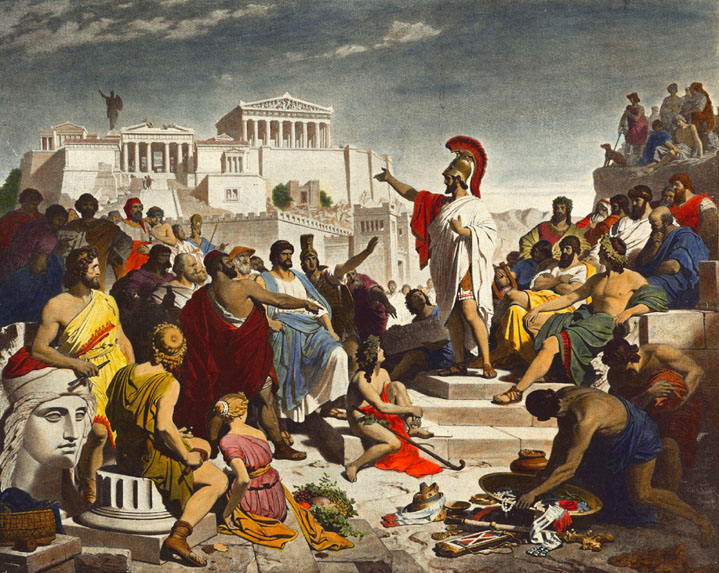

The heroism of Harmodius and Aristogeiton was a myth, but Athenian democracy was not. In the two great wars of the fifth century — the Persian and the Peloponnesian — the Athenians clearly felt they had what would now be called a “way of life” which was worth fighting for. Cleisthenes, although he was of nobler blood than Solon, gave more power to the poor than Solon had done. Nearly all Athenian citizens now had a vote in the Assembly, a body which approved laws discussed in the Council of Five Hundred. The Five Hundred were elected by the citizens and anyone over thirty could be a member.
As well as taking his share in lawmaking and government a citizen also played his part as a juryman in seeing that justice was done. Even the archons could be brought to trial when their year of office was over, if they were thought to have misused their power. There was a kind of police force consisting of Scythian archers which Peisistratus had set up. But they were the citizens’ servants, not his masters.
There is often a good deal of argument about what is meant by a “free” country. A useful test is to ask: Can police knock on the door in the middle of the night and take people away to death or imprisonment without a public trial? If this “knock on the door” question is asked about fifth-century Athens the answer to it would be: No. There were no secret police and there were no mysterious disappearances in the middle of the night.
These privileges of citizenship, however, were not shared by everyone living in Attica. “An Athenian citizen” does not mean the same as “a resident in Athens”.
Neither women nor slaves might vote and immigrants from other cities, metics, even though they might be Greeks, found citizens’ rights very difficult to obtain, however wealthy they might be. This is one of the two main differences between Athenian and modern democracy. The other is that Athenian citizens attended their Assembly in person. There was no representative government.
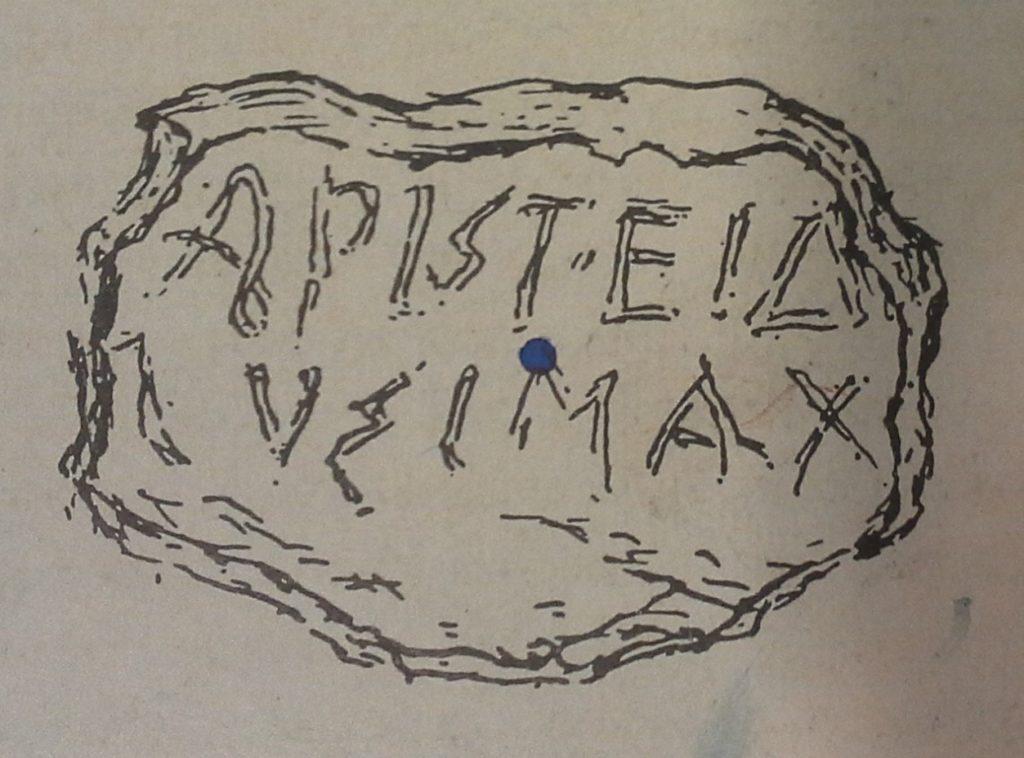
Finally, among all the privileges of citizenship, Cleisthenes introduced a new safety measure, ostracism. Once a year the Assembly might decide to take a vote on the question whether one of their number should be banished. The method of voting was to write the name of the person you wanted banished on a piece of broken pottery, the Greek word for which is “ostrakon”. If at least six thousand votes were cast, the man against whom the majority voted had to go into banishment for ten years. The idea was to prevent a recurrence of tyranny or civil strife. It is said that one of the earliest victims of this ingenious procedure was Cleisthenes.
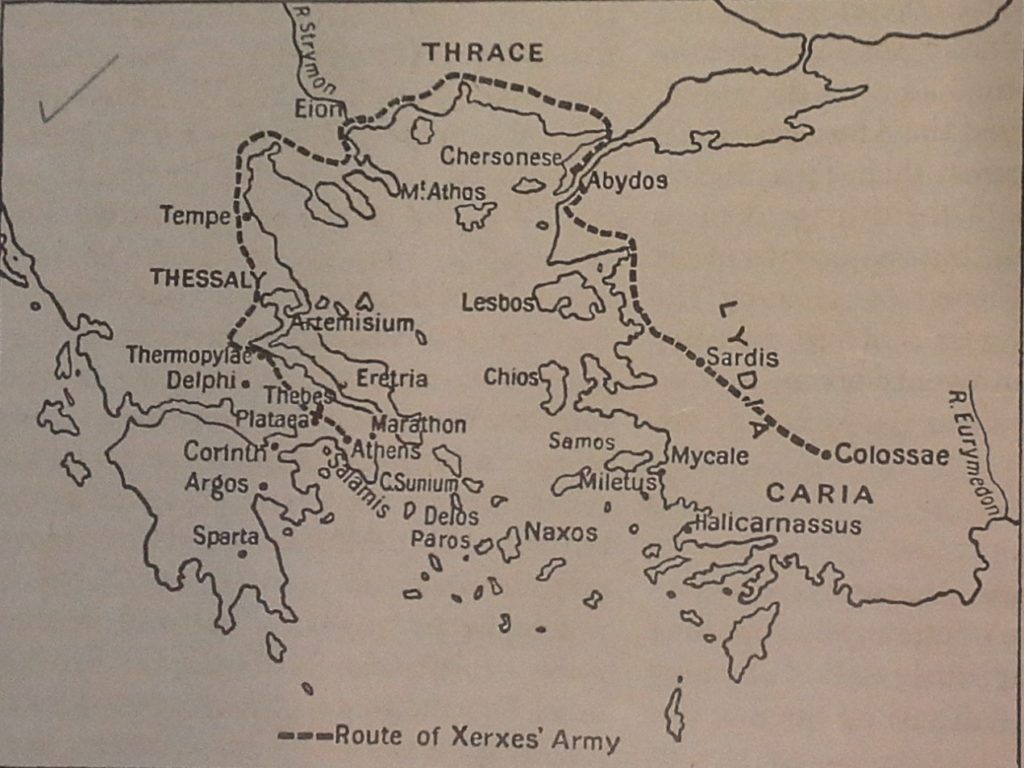
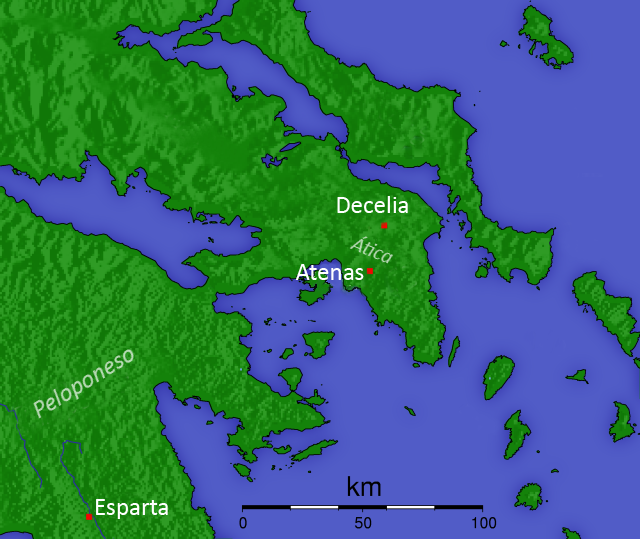
Unfortimately we do not know for certain how the great law-maker met his end; but as the curtain rises on the fifth century he is no longer on the stage. The year is 498 and the scene shifts from Athens to Asia Minor, whither Athens had sent a small force to help the Ionian Greeks, who had revolted against Persia. This force lit two fires. One was at Sardis; it burned the city to the ground and flickered out. The other was in the heart of Darius, the Persian king; this was a fire of fury that burned on and on. Darius had taken care that it should not go out. Every evening the breath of a slave fanned the flames with the urgent whisper, “sire, remember the Athenians.”