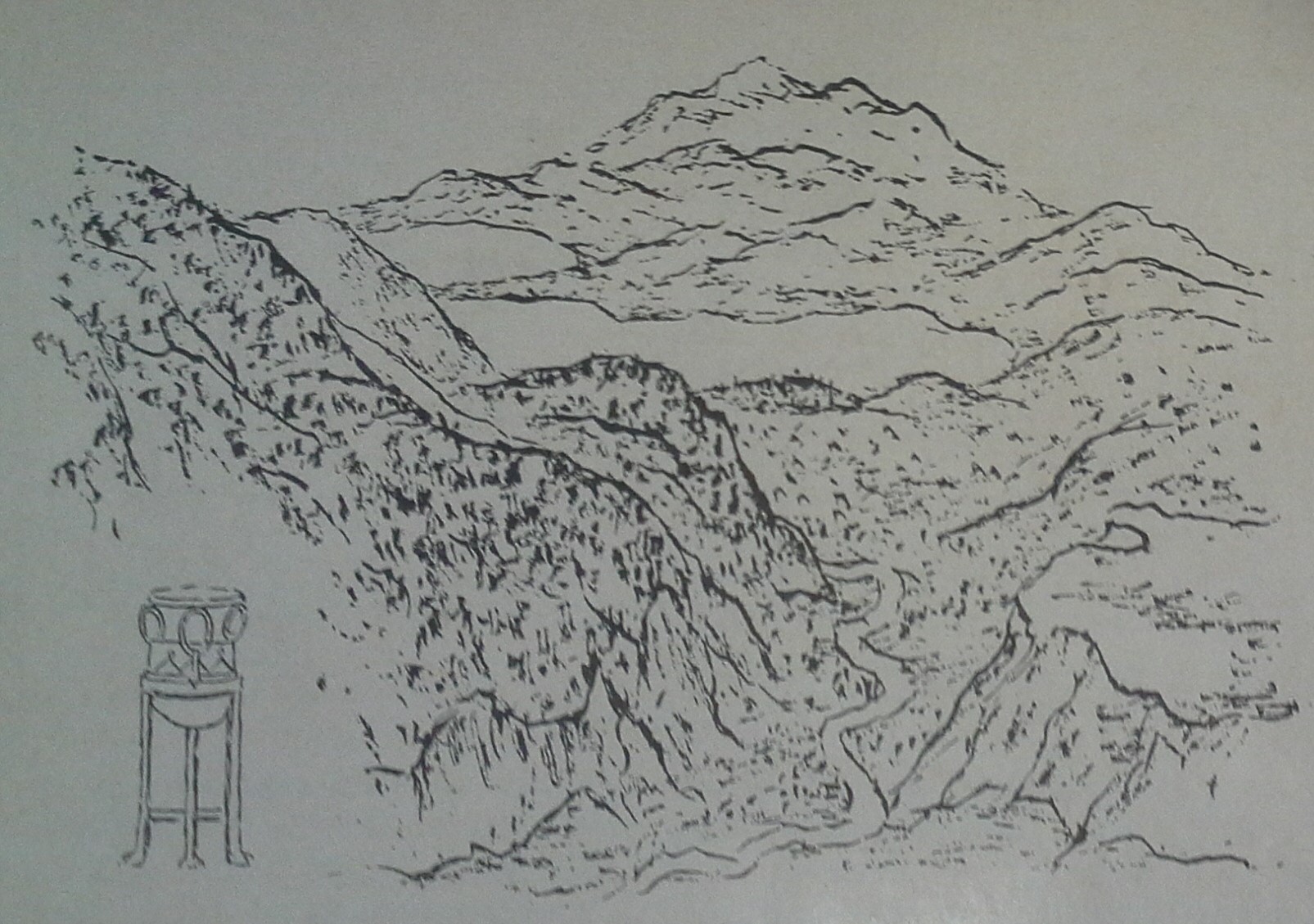
The Delphic Oracle

This entry is part 9 of 49 in the series Hellenes Greek History and Mythology

Hellenes Greek History and Mythology
hellenes

Who were the Hellenes?

Minotaur

Theseus and the Minotaur

minos

The Palace of Minos

troy

Helen of Troy

hector

The Wooden Horse

Trojan

Was there a Trojan War?

migration

The Migration

city-states

City-States and Colonies

delphic oracle

The Delphic Oracle

olympic games

The Olympic Games

sparta

Sparta

A Spartan grows Up

athens

Athens

Solon

tyrant

A Tyrant Who Was Not Tyrannical

Athenian Democracy

ionian greeks

The Ionian Greeks

marathon

Marathon

athenian

The Rivals

xerxes

The Second Persian Invasion

Thermopylae

Persian Soldier

“Wooden Walls” and Salamis

aeschylus

Aeschylus

theseus

Theseus Comes Home

delos

The Confederacy of Delos

The Athenian Empire

herodotus

Herodotus, The Father of History

parthenon today

The Parthenon

Thucydides

Thucydides

Athens fight Sparta

Why Did Athens Fight Sparta

The Peloponnesian War

The Peloponnesian War Begins

athenians and death

Athenian Death

Hippocrates and Disease

pericles dies plague

Pericles Dies

Cleon Tanner

Cleon the Tanner

peace

Peace

Socrates

Socrates

Alcibiades

Alcibiades

Hermes, Sicily

Sicily

Hecuba, Queen of Troy

Hecuba, Queen of Troy

Decelea

Decelea, a Thorn in the Flesh

oligarchy

Oligarchy and Athens in Defeat

socrates' death

Socrates’ Death

xenopon

Xenophon

damocles' sword

Damocles’ Sword – The Fourth Century

Plato

Plato

Alexander of Macedon

Alexander of Macedon

Old Europe Crumbles (451 – 520 A.D.)

Hellenistic Age – Alexandria and Byzantium

Hellenistic Age – Alexandria and Byzantium

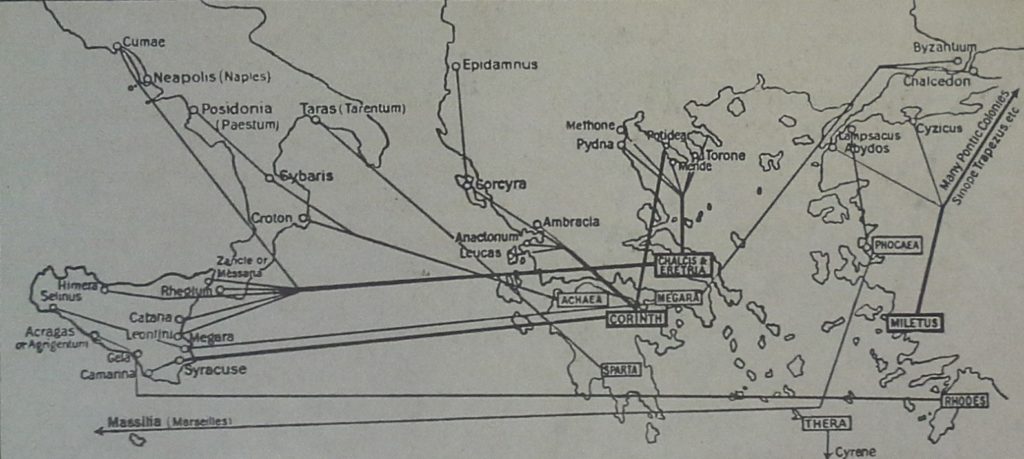
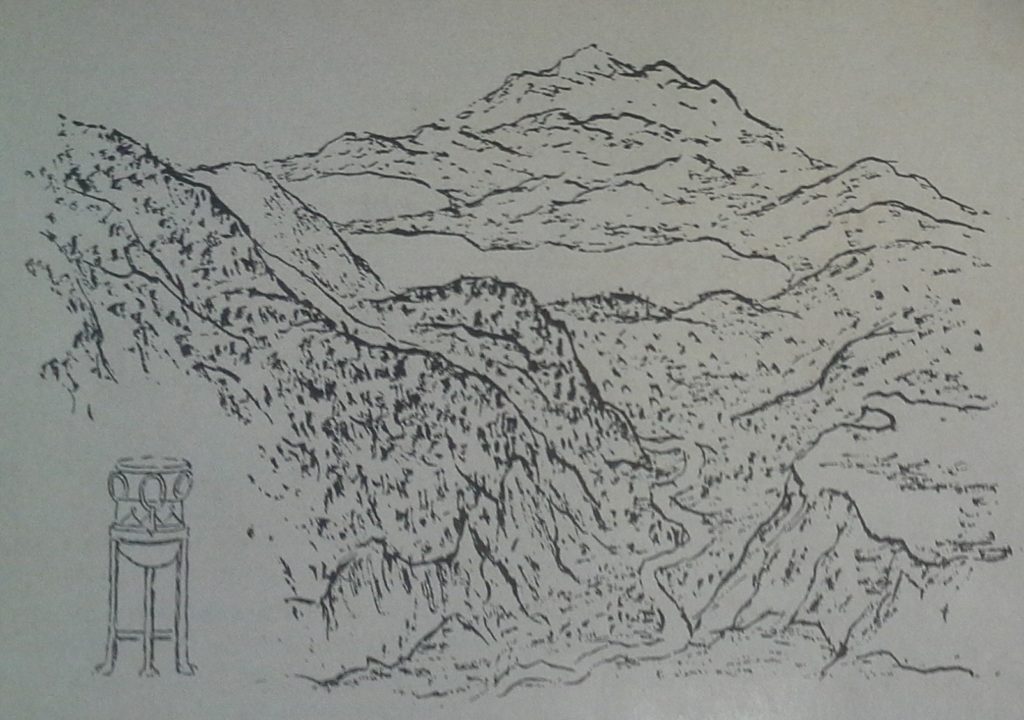
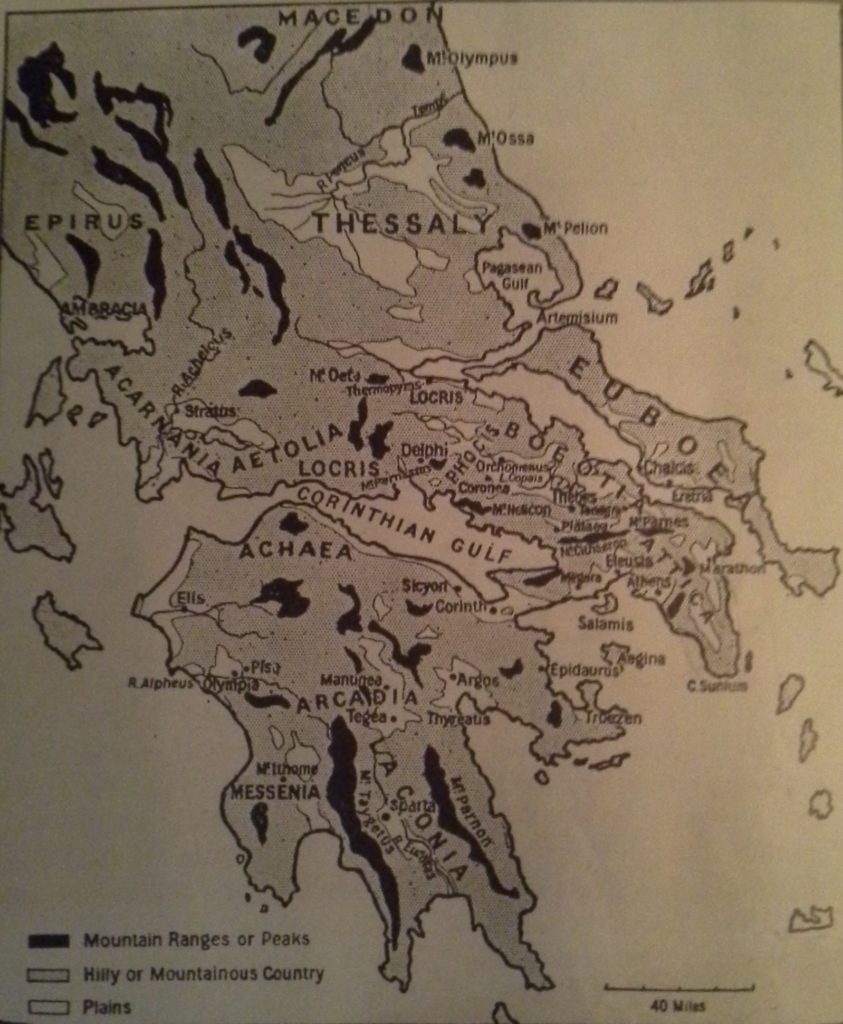
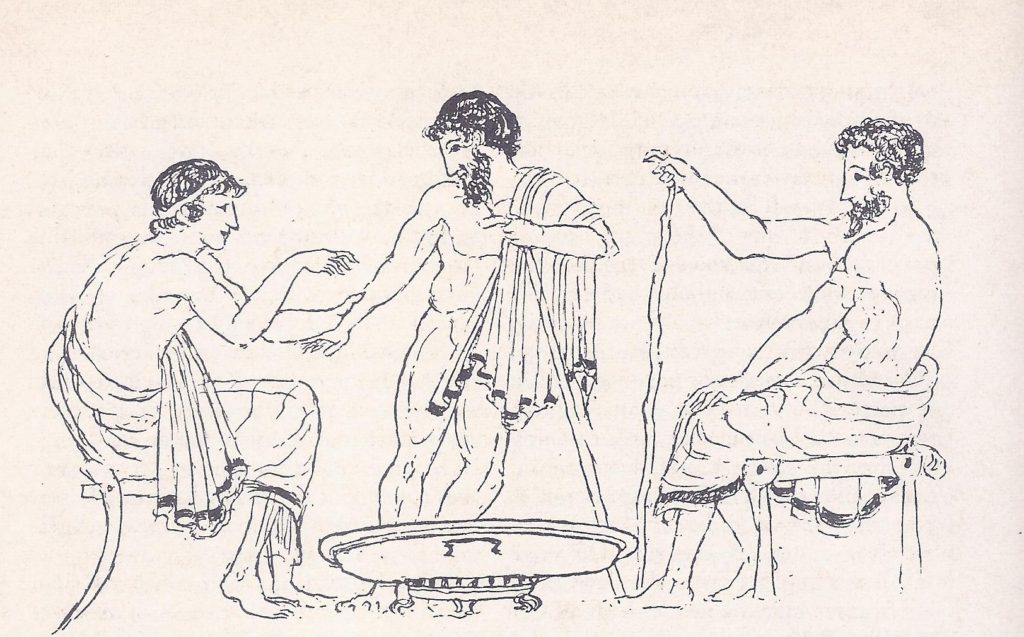
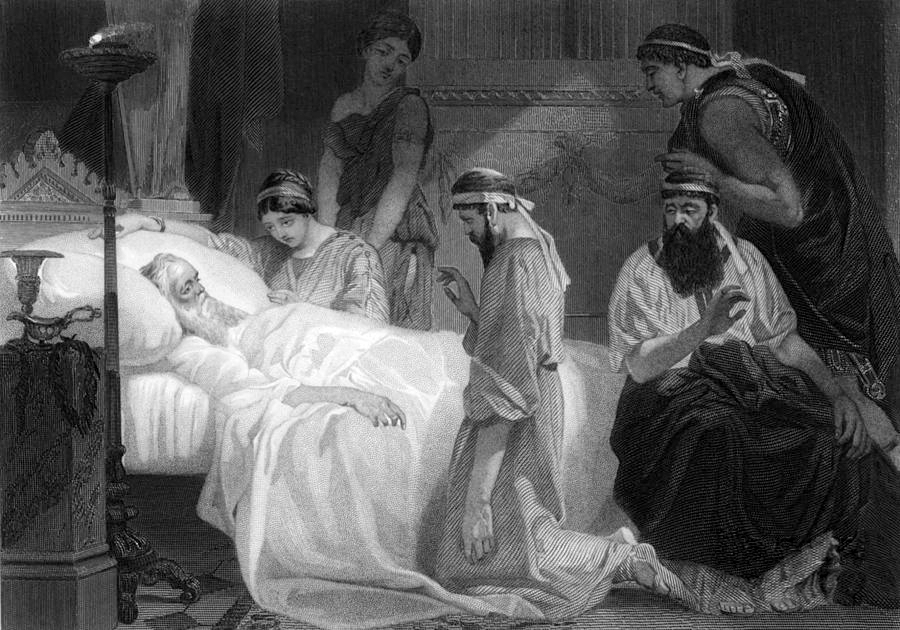
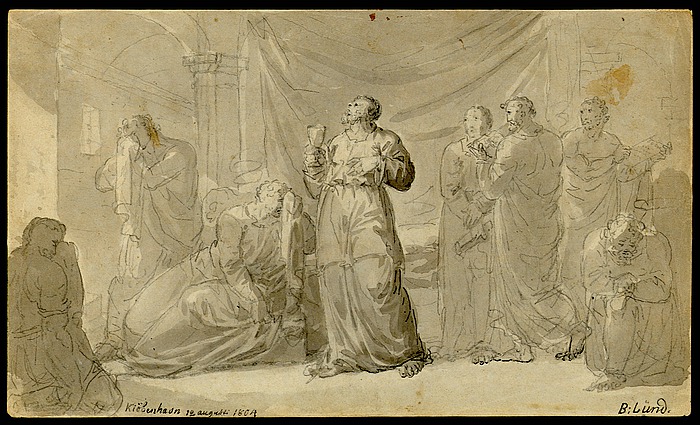
The Delphic oracle, the priestess of Apollo, was supposed to have the gift of prophecy. The Delphic Oracle was consulted before a colony was founded, before war was declared and on all sorts of other questions.

When a request for advice was put to her through her priests she proceeded to put herself into a trance. She is said to have done this by chewing laurel leaves, drinking water from an underground stream and inhaling an evil-smelling gas which arose through a cleft in the rocks within her shrine (but no traces of this cleft have been found). Finally, seated on a tripod, she spoke. The priests claimed to be able to make sense of her utterances. After listening, they presented a reply, in verse, to the questioner.

The priests acquired great power, but if they had abused it grossly, Delphi would not have maintained its importance for centuries, as it did. Replies to political questions obviously had to be ambiguous, but when consulted on private affairs the oracle tended to be on the side of what we would now consider right (e.g. in favour of mercy and against fraud). It was not, however, the formal reply alone which made a visit to Delphi worth while. As at international conferences nowadays, all sorts of informal meetings and conversations must have taken place. Nowhere else could one find out so much about the scattered communities of the Greek world.

Hellenes Greek History and Mythology
City-States and Colonies The Olympic Games