Hellenes Greek History and Mythology

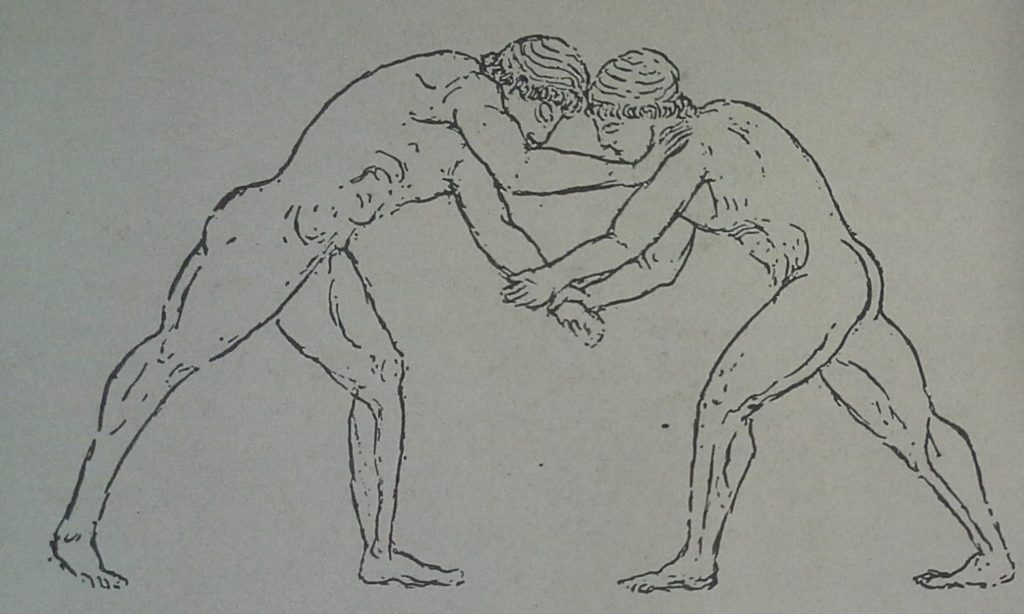

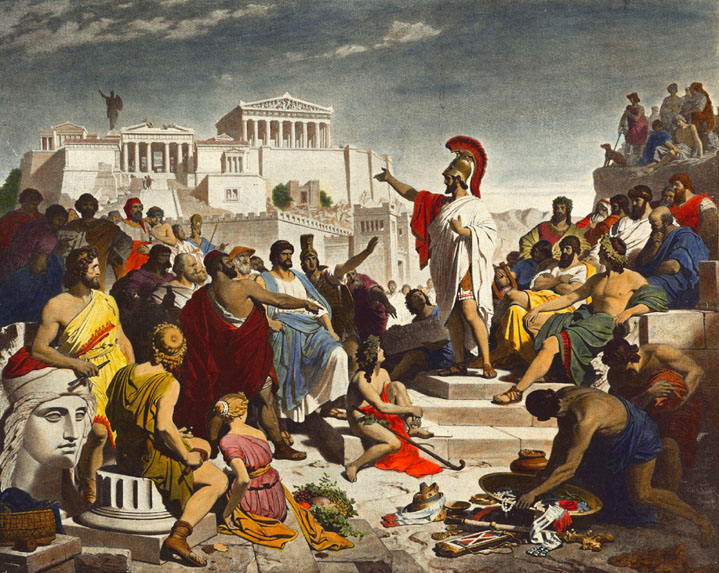
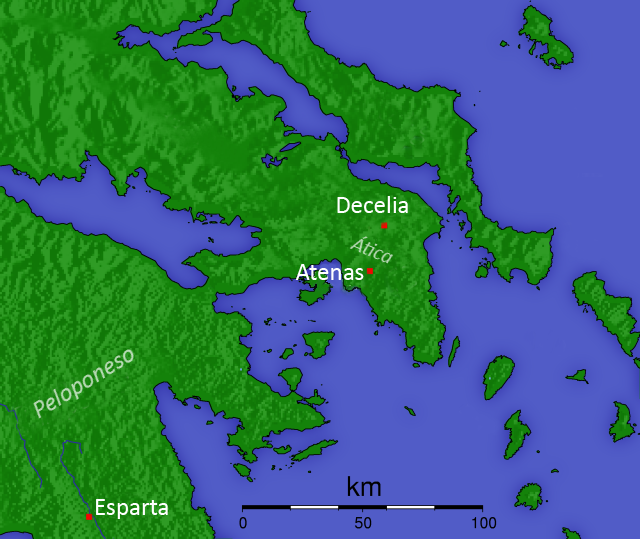

This striking difference in the way Athens and Sparta treated their victorious athletes reflects a striking difference between the states themselves. Neither was important as a coloniser. But during the 6th and 5th centuries they occupy the centre of the stage.
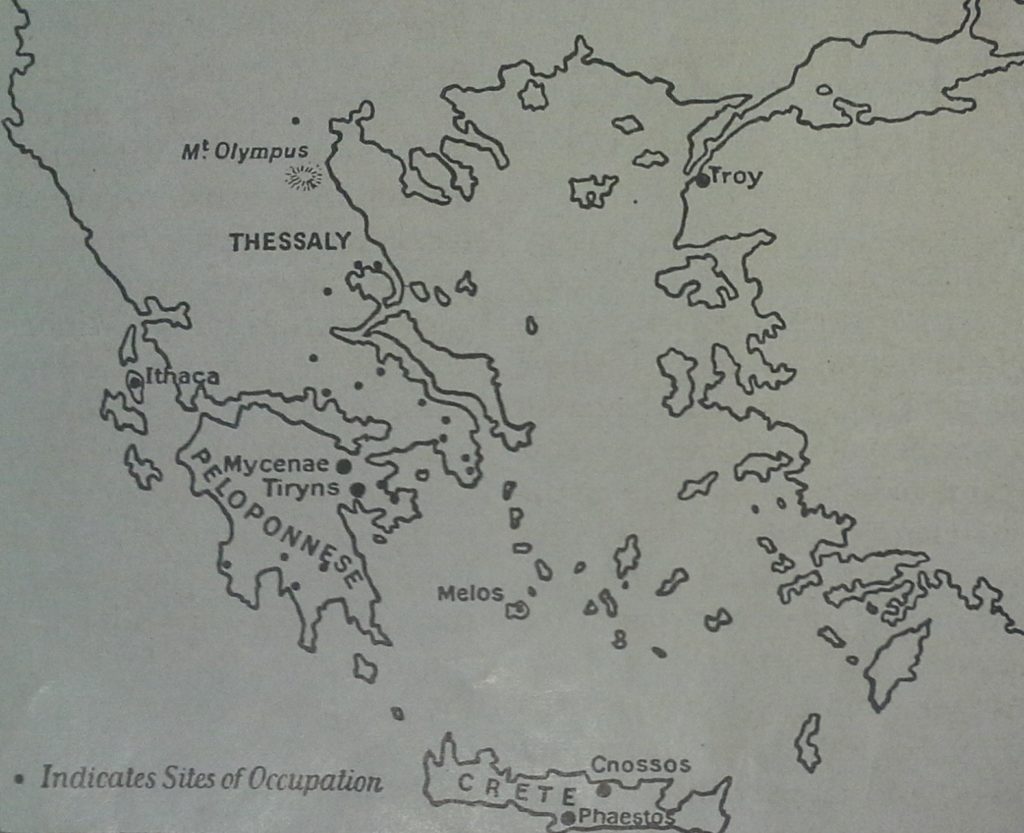
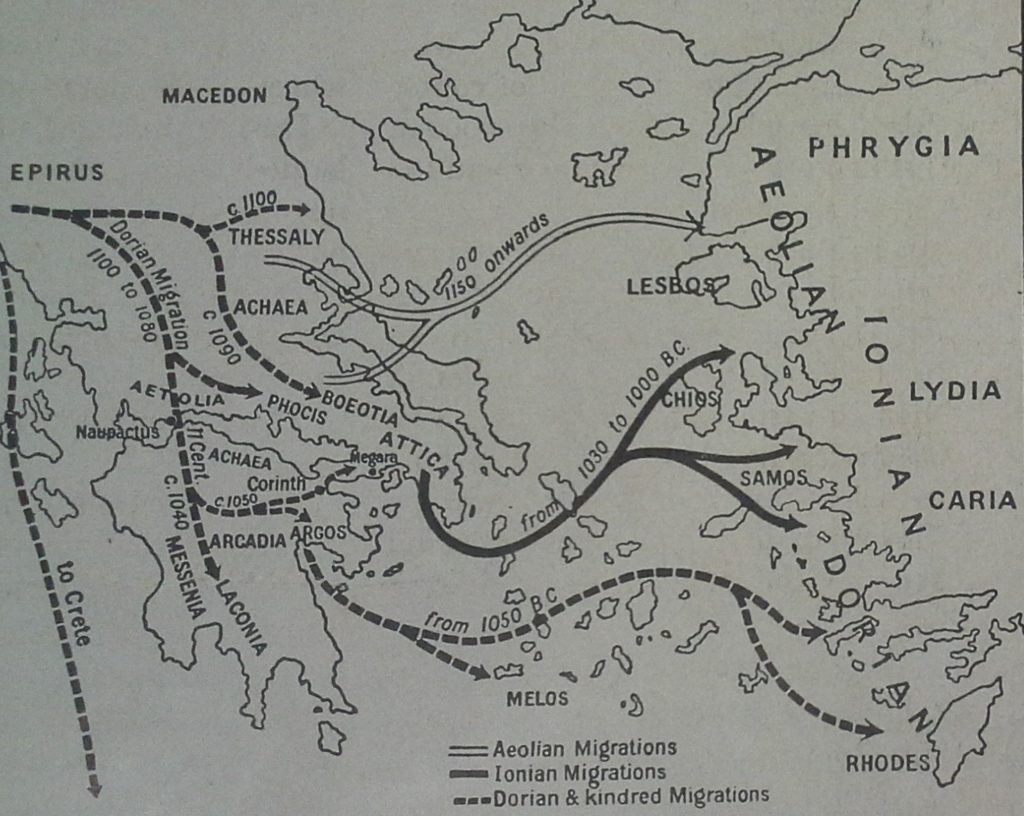
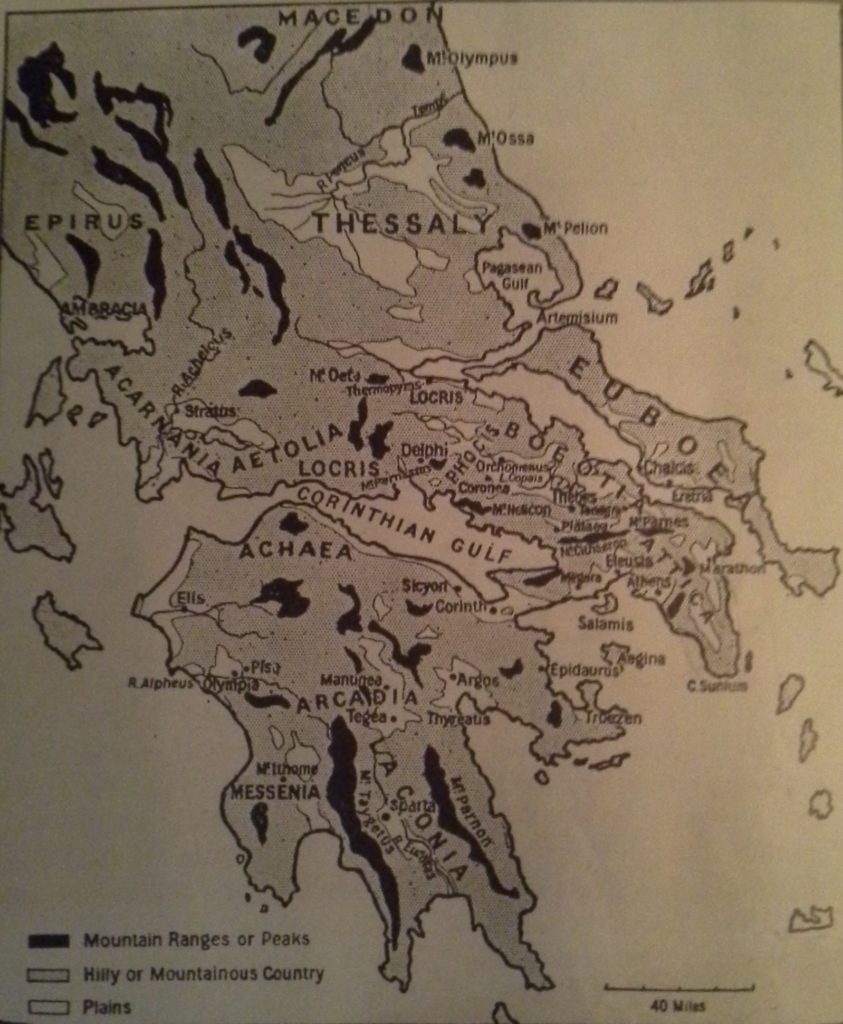
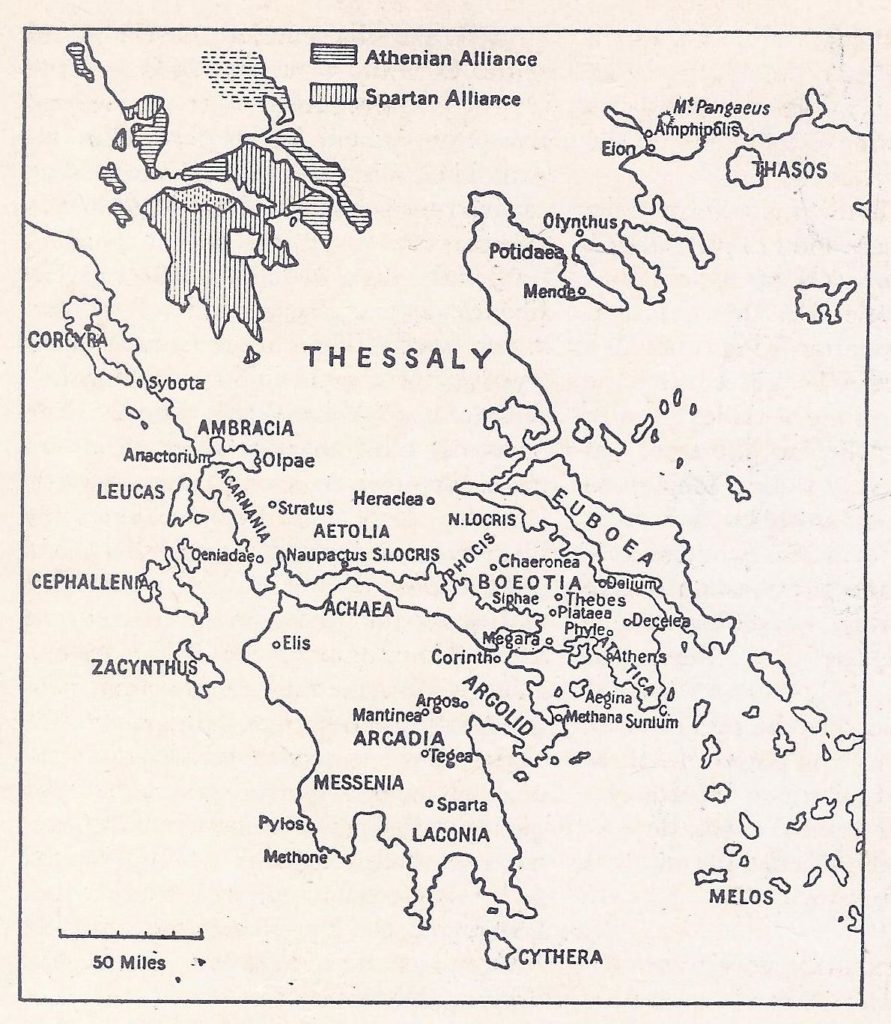
At Sparta living was hard; hence the adjective “Spartan”. In the Mycenaean Age, when, according to legend, Menelaus was King of Sparta and Helen was his queen, the place had not yet gained this reputation for hardness, which was a result of the Dorian invasion.
The invaders found the valley of Lacedaemon attractive. They settled there and made the district round Sparta the centre from which they governed. They did not mix with the previous inhabitants of the country. They enslaved them. These slaves, called Helots, were much more numerous than the Spartans themselves.
As a result of two wars (c. 736 and 650 B.C.) against the pre-Dorian inhabitants of Messenia, the Spartans reduced them also to Helot status. In spite of their military strength the Spartans were at this time still a cultured people, honoured for their poets and musicians and it was to one of their wise men, Chilon, that the celebrated Greek maxims “Know thyself” and “Nothing in excess” were ascribed. Their craftsmen produced fine pottery and ivory carvings.
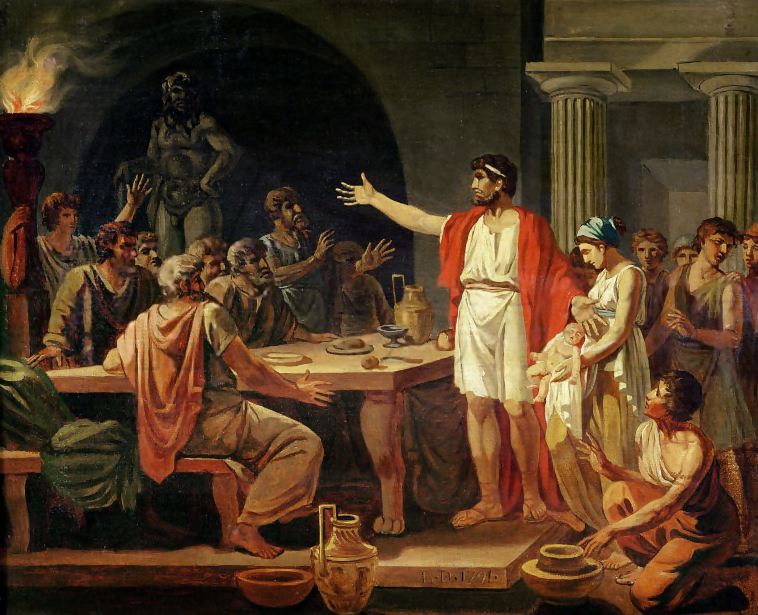
It was probably not till after the second Messenian war that the Spartans, in order to keep control of their greatly increased Helot population, began that system of cheerless, iron discipline which made them famous. Tradition attributed its introduction to a certain Lycurgus.
How much Lycurgus had to do with the moulding of the Spartan system, or whether he ever existed at all, we do not know. It is the system itself which is important, because it did not change very much throughout the next three centuries and made Sparta the leading military power in Greece.
Two Kings headed the Spartan state, but they were not all-powerful. Laws were passed and important decisions taken by a Council of twenty-eight citizens, all over sixty years of age, who held office for life. There was also a popular Assembly (“popular” in this sense means “of the people”) but it never gained the degree of power enjoyed by the popular Assembly of Athens, of which much will be heard later. There is no doubt that of the three partners in Spartan government — Kings, Council and Assembly — the Council were the most important; though in time of war the Kings came into their own. It was they who commanded the Spartan armies and each had his personal bodyguard of three hundred picked men.
After a time, however, the power of the Kings in war and of the Council of old men in peace received a check. The popular assembly was given the right to elect five officials called Ephors every year. These Ephors were able to take part in the discussions of the Council and to make it do what they wanted. In war they could accompany the Kings on their campaigns and a King who disagreed with an Ephor could find himself put on trial when he returned home.
It is astonishing, in view of the great power that the Ephors came to enjoy, that none of them tried, either alone or with a group of his colleagues, to set up a dictatorship. That they did not is another tribute to Spartan discipline.