Hellenes Greek History and Mythology
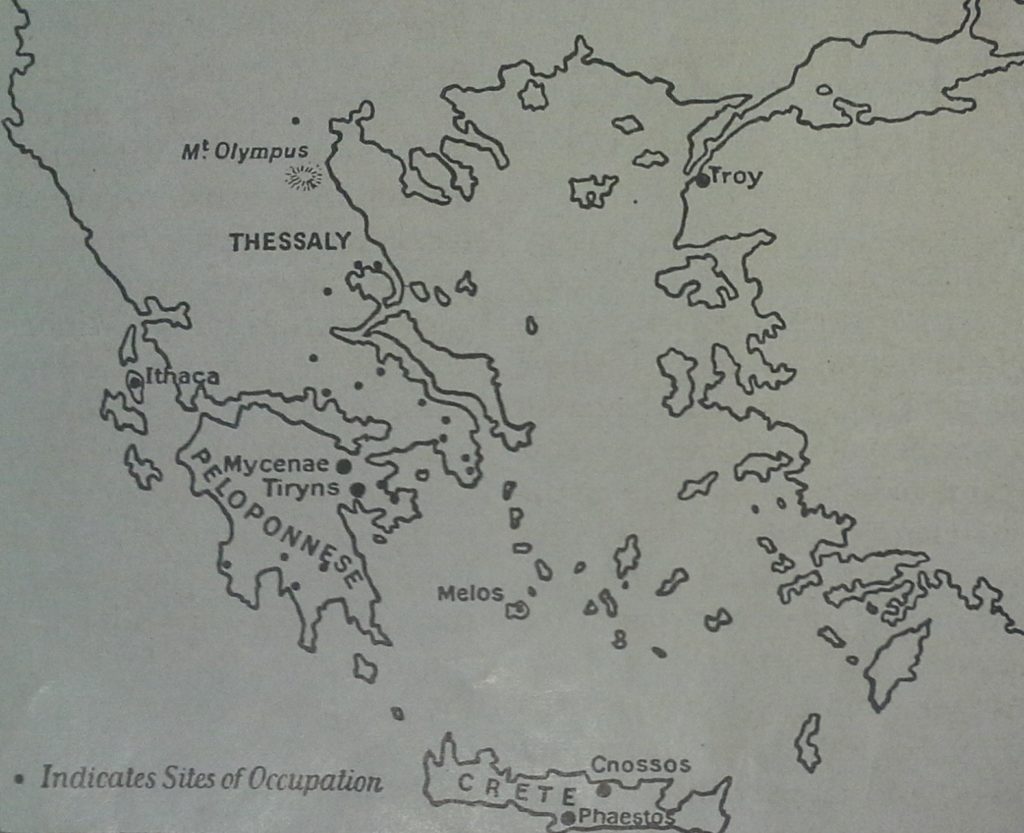


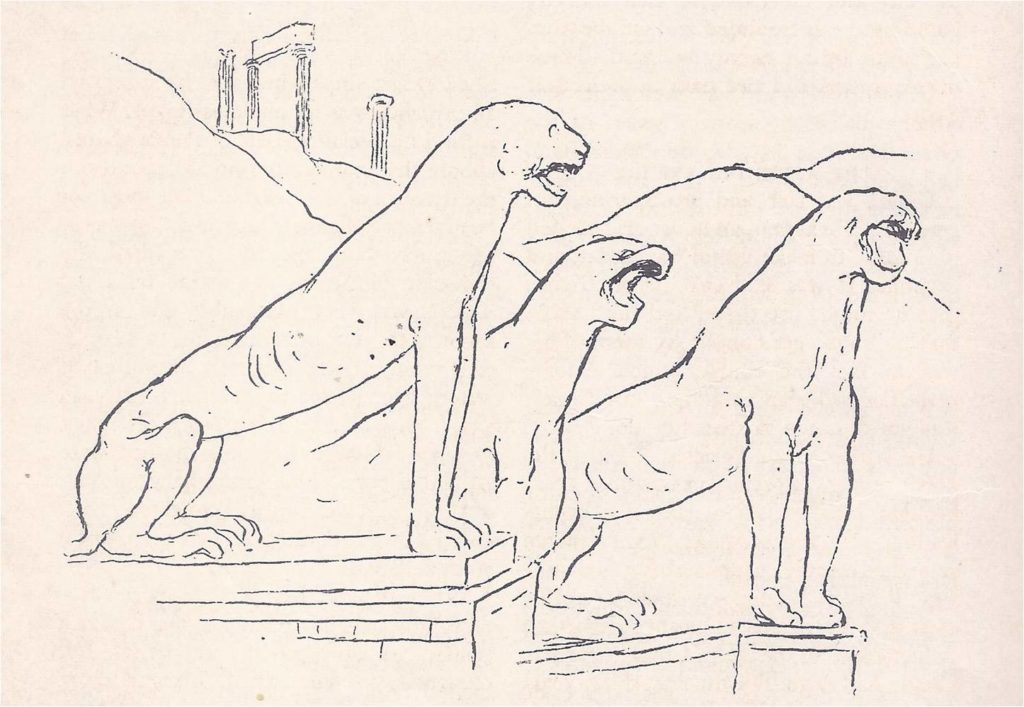
Delos a Greek island in the Cyclades archipelago was an important religious centre in the Archaic and Classical periods. The island was also a major commercial and trading centre in the 2nd and 1st centuries CE.
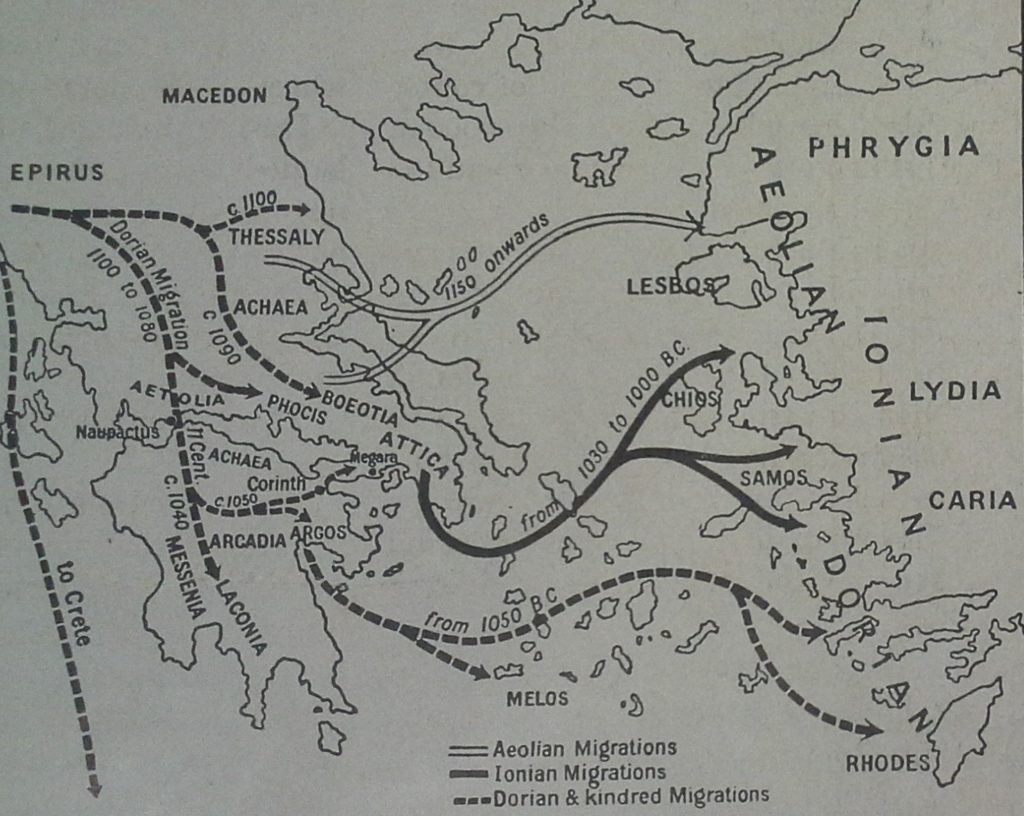
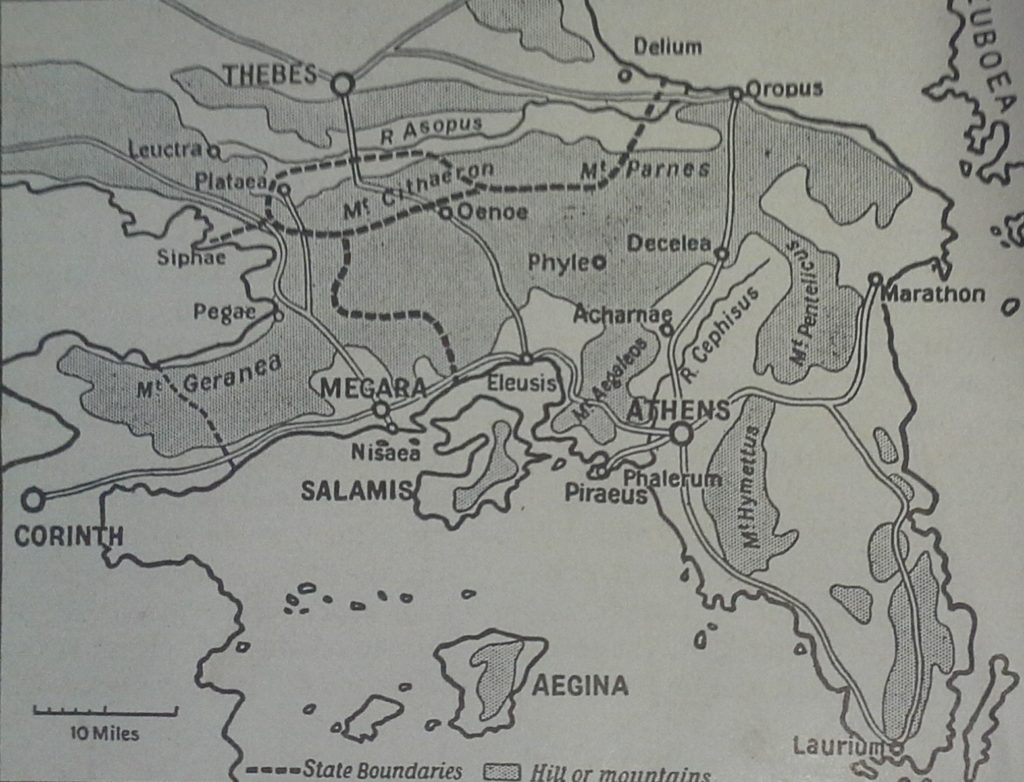
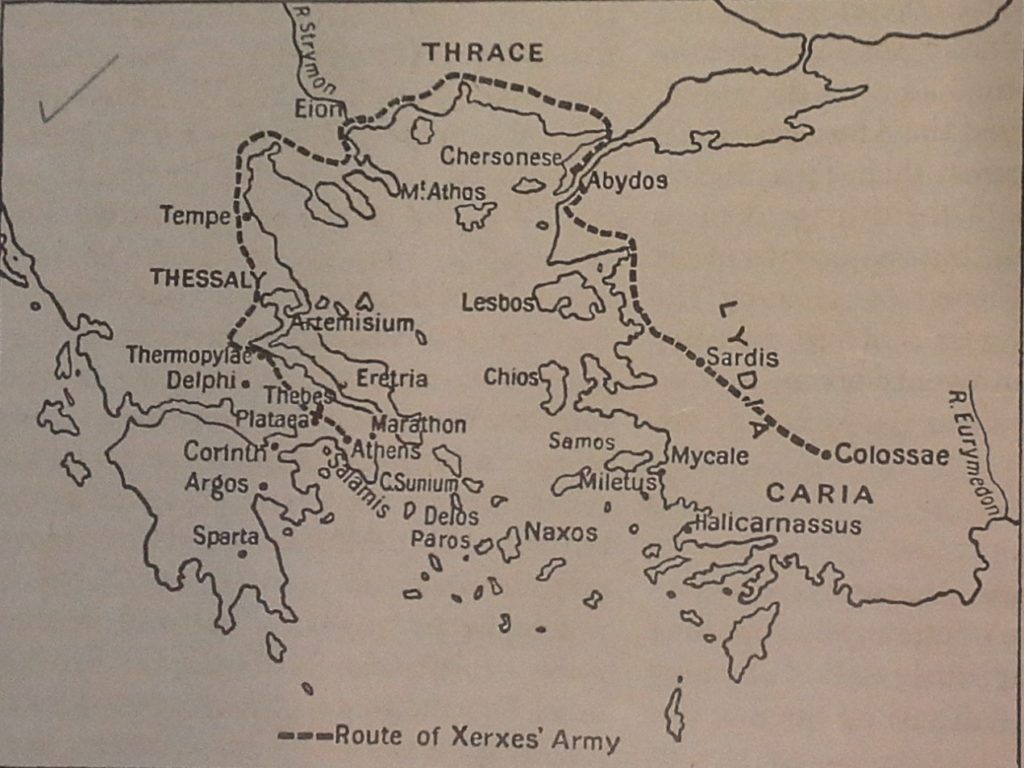
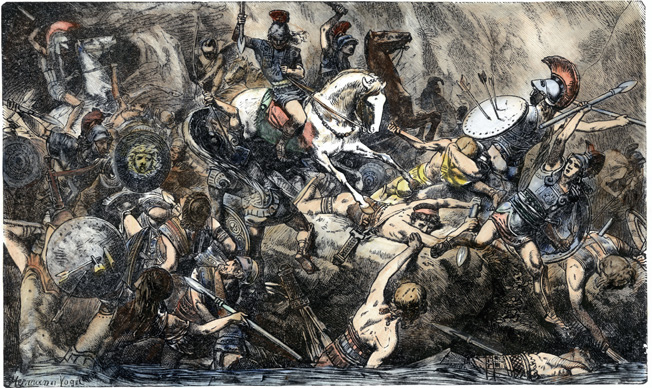
About the same time as the land victory at Plataea (479) the Greek fleet had beaten the Persians at Mycale on the coast of Asia Minor (478) and now that they were absolutely sure which was the winning side the Ionian Greeks of the coast and the islands gradually decided to change sides again, but they needed help. Persian garrisons had to be driven out.
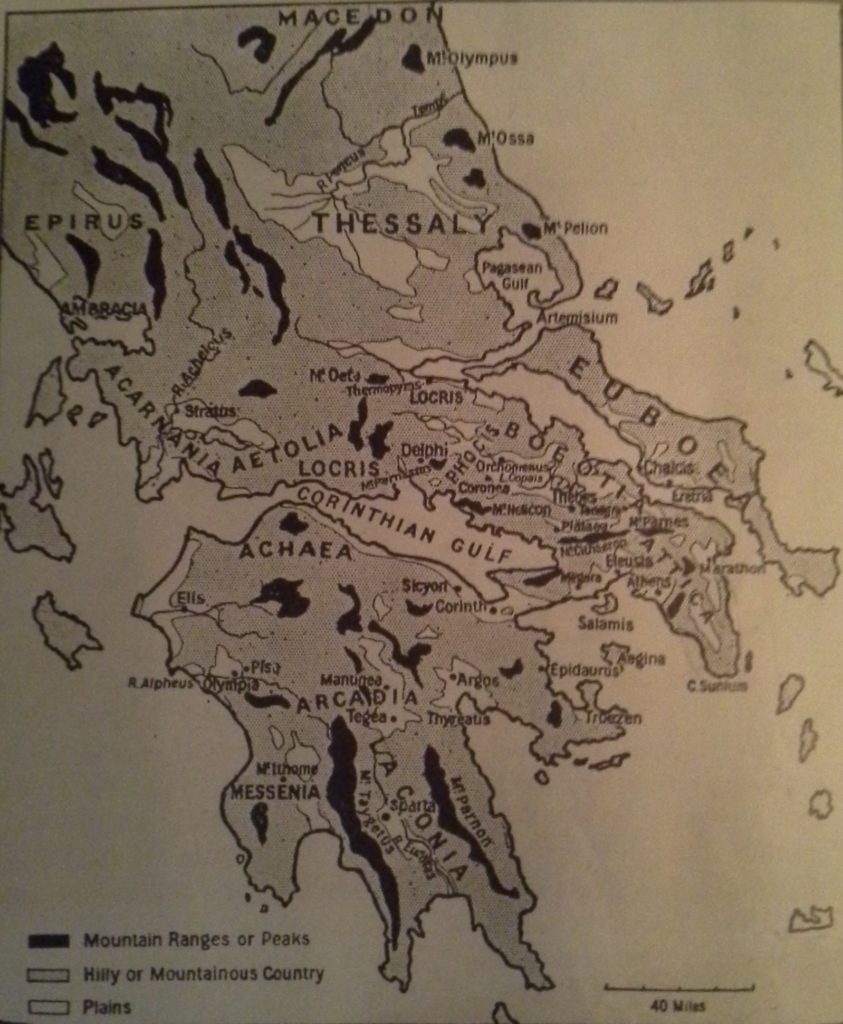
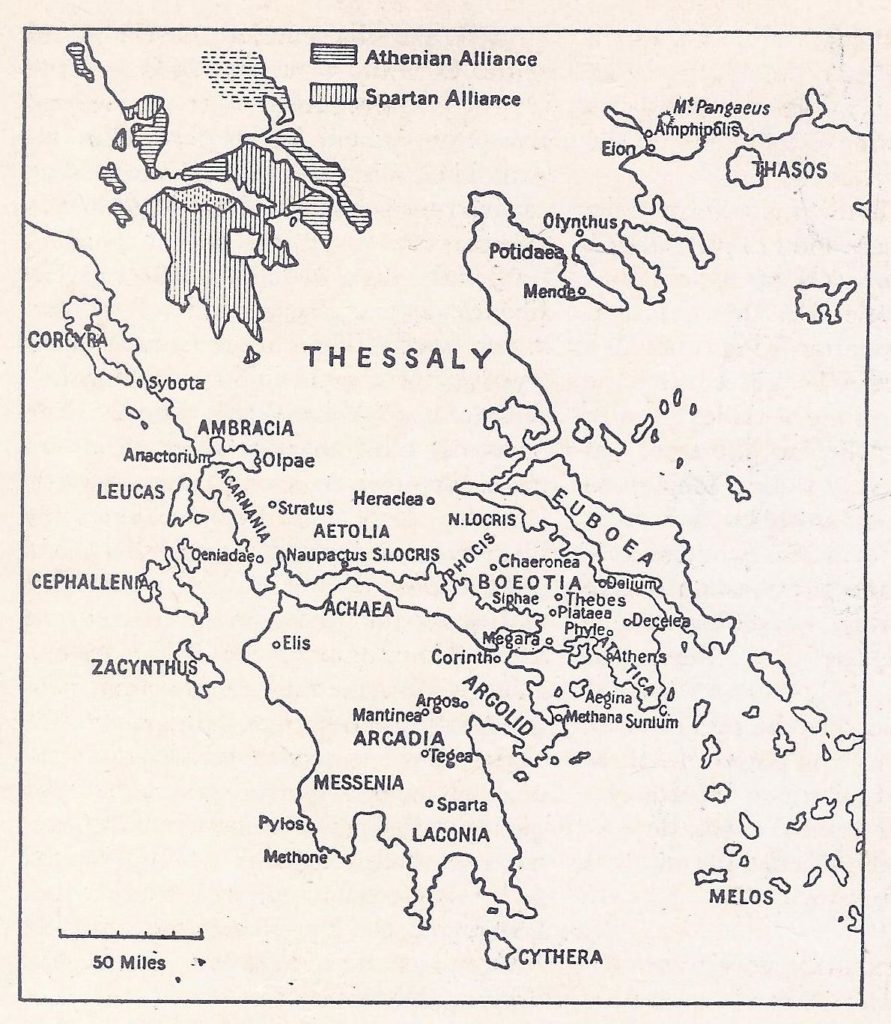
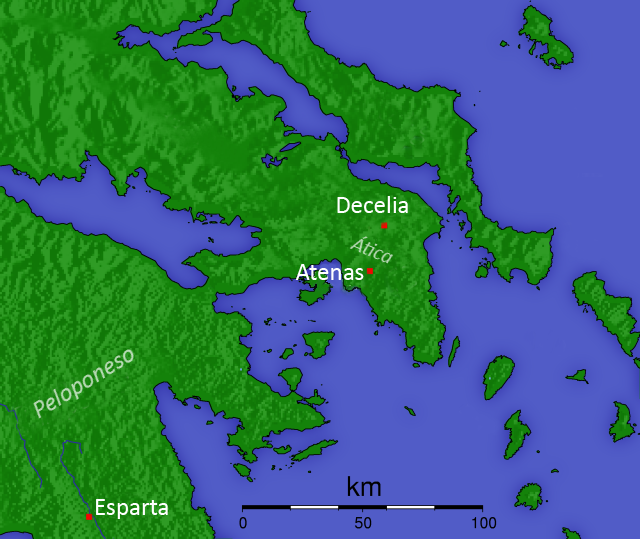
The Spartans might have undertaken this. They had been the acknowledged leaders of Greece on land and during the campaign against Xerxes, but the Spartans were not enterprising enough and they were always afraid that the downtrodden Helots might revolt, while their masters were campaigning outside the Peloponnese. So it was Athens which seized the opportunity and formed a confederacy of Aegean towns and islands for defence against Persia. Some larger islands such as Chios, Lesbos and Samos provided ships, but most members of the league contributed money.
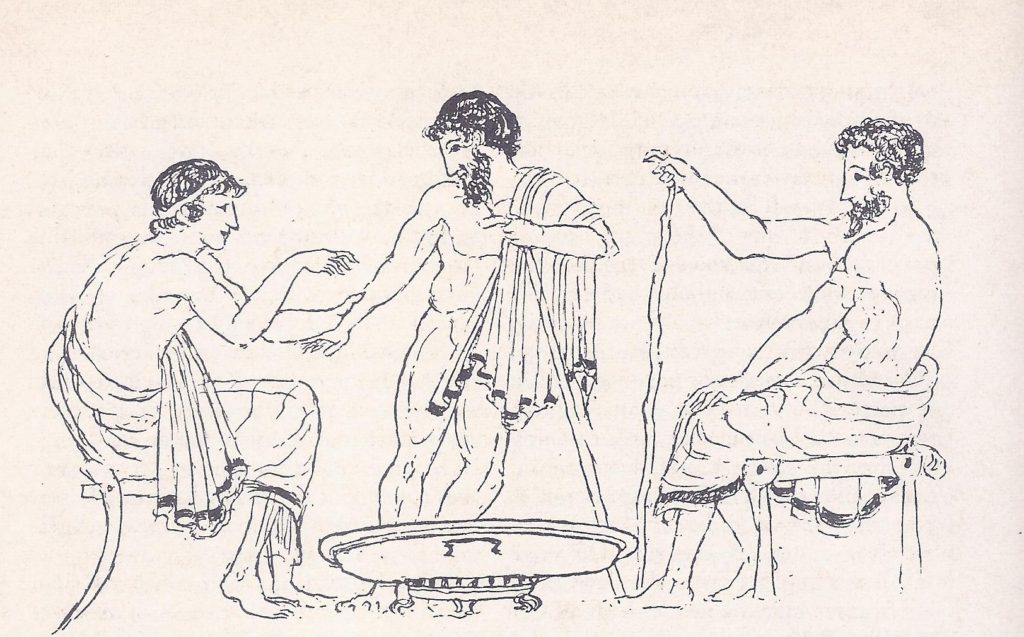
Aristides, old now but still renowned for honesty, decided how much each of the confederates should pay and the money was kept in earthenware jars at Apollo’s shrine on the island of Delos. From the first Athens was very much the leading partner and imposed strict discipline. When in 467, the year after the triumphant return of Theseus in his coffin, the island of Naxos tried to leave the Confederacy, it was forced to continue as a contributor. Athens insisted that since no Aegean city-state could help benefiting from the league’s activities, no state should be allowed to stay out of it. This is a reasonable enough argument, but one might have expected it to be used by the Ionians against Athens, rather than the other way round. The Ionians, after all, were nearest to the Persian danger, but it was Athens which took the lead.
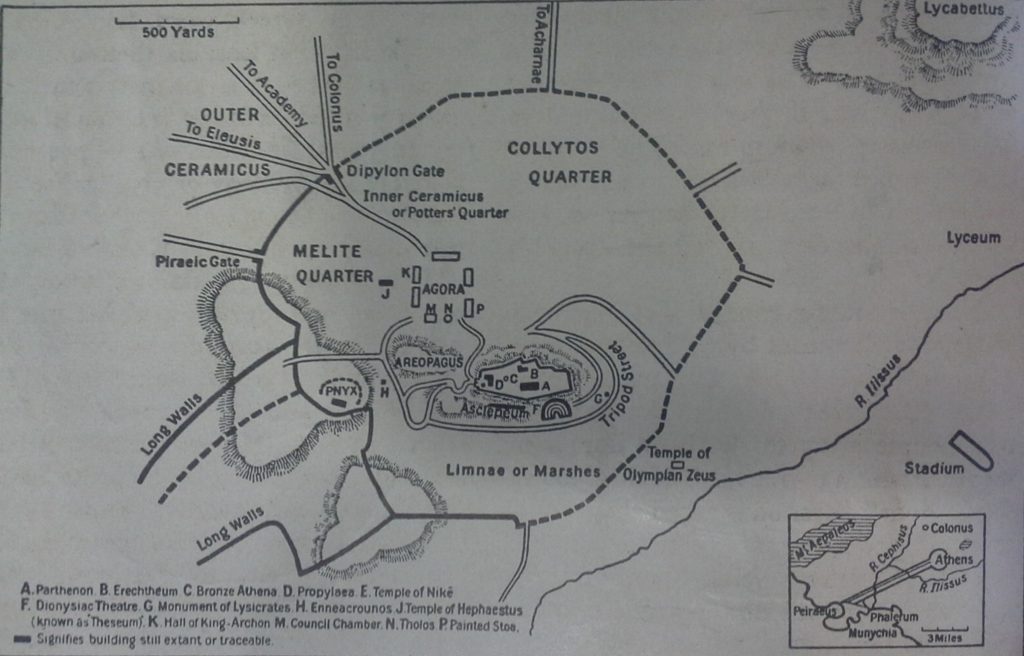
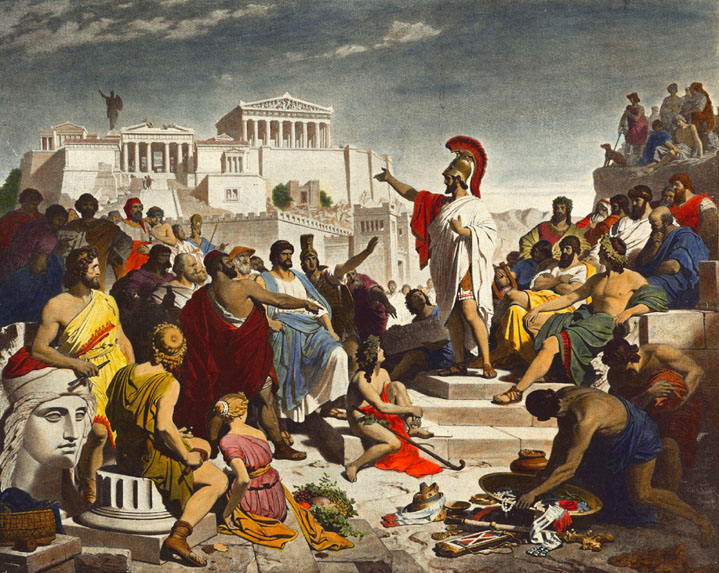
Athens was becoming ambitious. Urged by Themistocles, she had quickly rebuilt her fortifications and had fortified her new harbour, the Peiraeus, after Plataea. Now (about 457), long walls were built between the city and the coast, so that the city could not be surrounded and cut off from her ships by an enemy on land. These developments did not pass unnoticed at Sparta.