Hellenes Greek History and Mythology
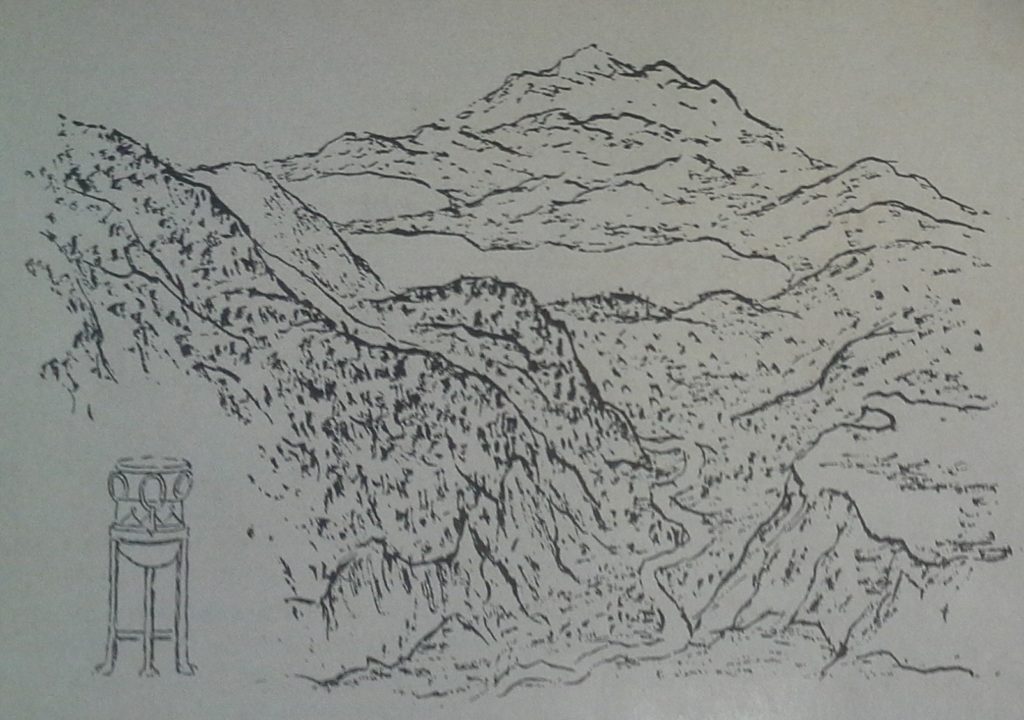
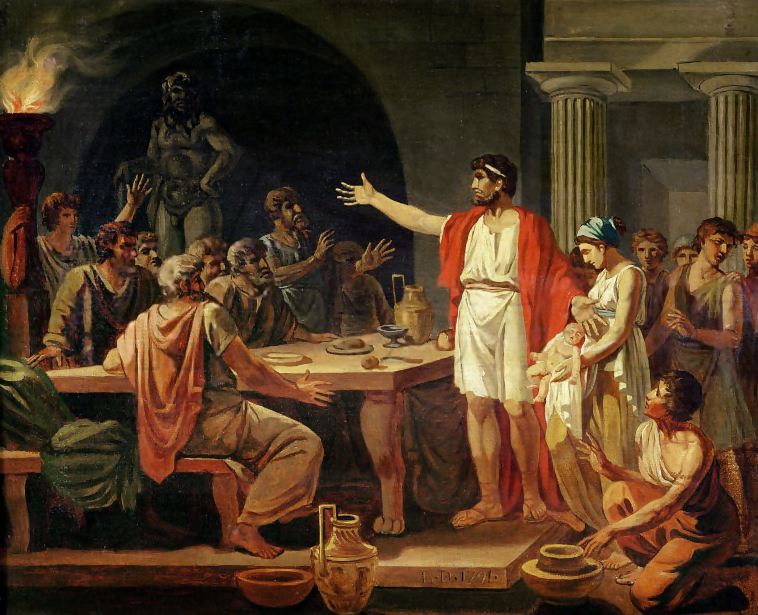

A Spartan child was examined at birth. A healthy infant was allowed to live. Weaklings were not wanted. They were left in the mountains to die. (Exposure of unwanted children was not peculiar to Sparta. Even civilized 5th-century Athenians practised it.)
At the age of seven a Spartan boy left home. His period of family life was finished. Thereafter he would be a member of a community. In modern terms, he would always be either at a boarding school or on military service.
In the “pack”, as it was called, the seven-year-old newcomer quickly learned obedience. He had to act as a kind of servant to one of the older boys. He learned to be hardy, since even in winter he had to go barefoot and was only allowed a single garment. He learned to use initiative and was even encouraged to steal in order to increase his rations, which were purposely kept small. It was one of these thieving raids which gave rise to the story of the Spartan boy and the fox. The boy had stolen a fox and hid it under his cloak. It began to gnaw at his stomach, but to set it free would have meant discovery. The boy therefore let it go on gnawing and at last fell down dead, but with his honour preserved.
The incidentals of this story are puzzling. If the fox was stolen, it must presumably have belonged to someone. Was it a pet? It seems an odd animal to steal if you are hungry. However, there is no doubt about the moral. Death to a Spartan, even in boyhood, was preferable to the taint of cowardice.
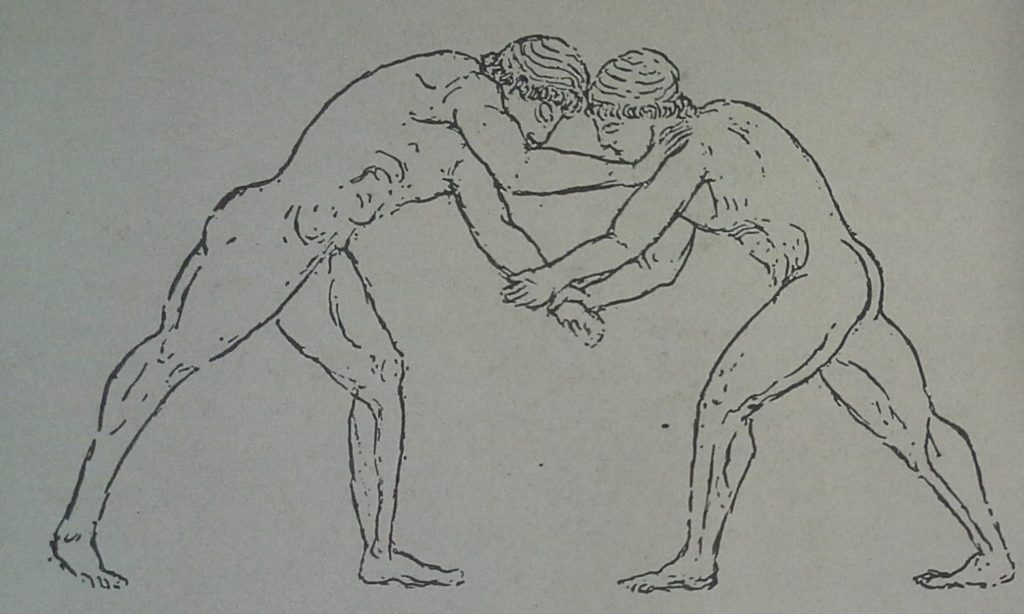
The education of girls was milder; but compared with the education of Athenian girls it was tough and unrestricted. At Athens athletics were a monopoly of the male; but a Spartan girl was encouraged to take part in sports such as running, throwing the javelin and even wrestling, while men and boys looked on.
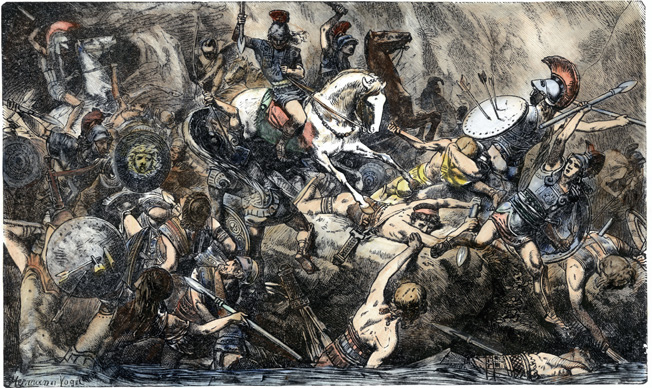
When he was grown-up a Spartan continued to live in barracks, as a member of a sort of “officers’ mess”, though he might sleep at home after he was thirty. He had to contribute a fixed amount of barley meal, wine, cheese, dried figs and meat to the mess every month. He might marry, but he saw very little of his wife. Soldiering was his life. He had always to be ready for a battle with the Helots. There was a special corps of secret police, whose duty it was to seek out any Helot who seemed to be a trouble-maker and kill him.
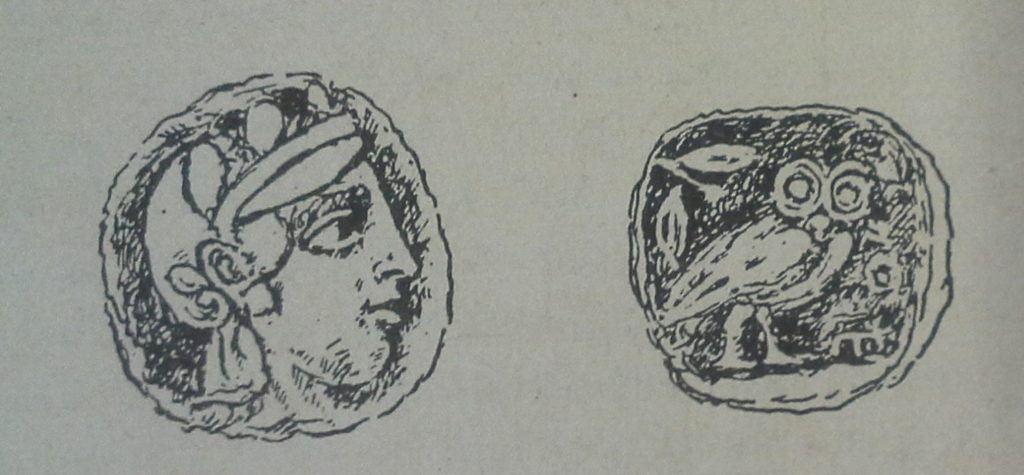
The constant danger of attack by the people they had enslaved made the Spartan system work. As we have seen, the Ephors did not attempt dictatorship, and anyone who might have thought of getting a special position for himself by means of wealth was prevented in two ways. Firstly, no Spartan might engage in commerce. Secondly there was no gold or silver coinage — only bars of iron. Lycurgus, or whoever made this last provision, knew well that a fortune in gold might be hidden under the floor, but a fortune in iron bars would need to be reckoned by the cartload. Concealment would be impossible.
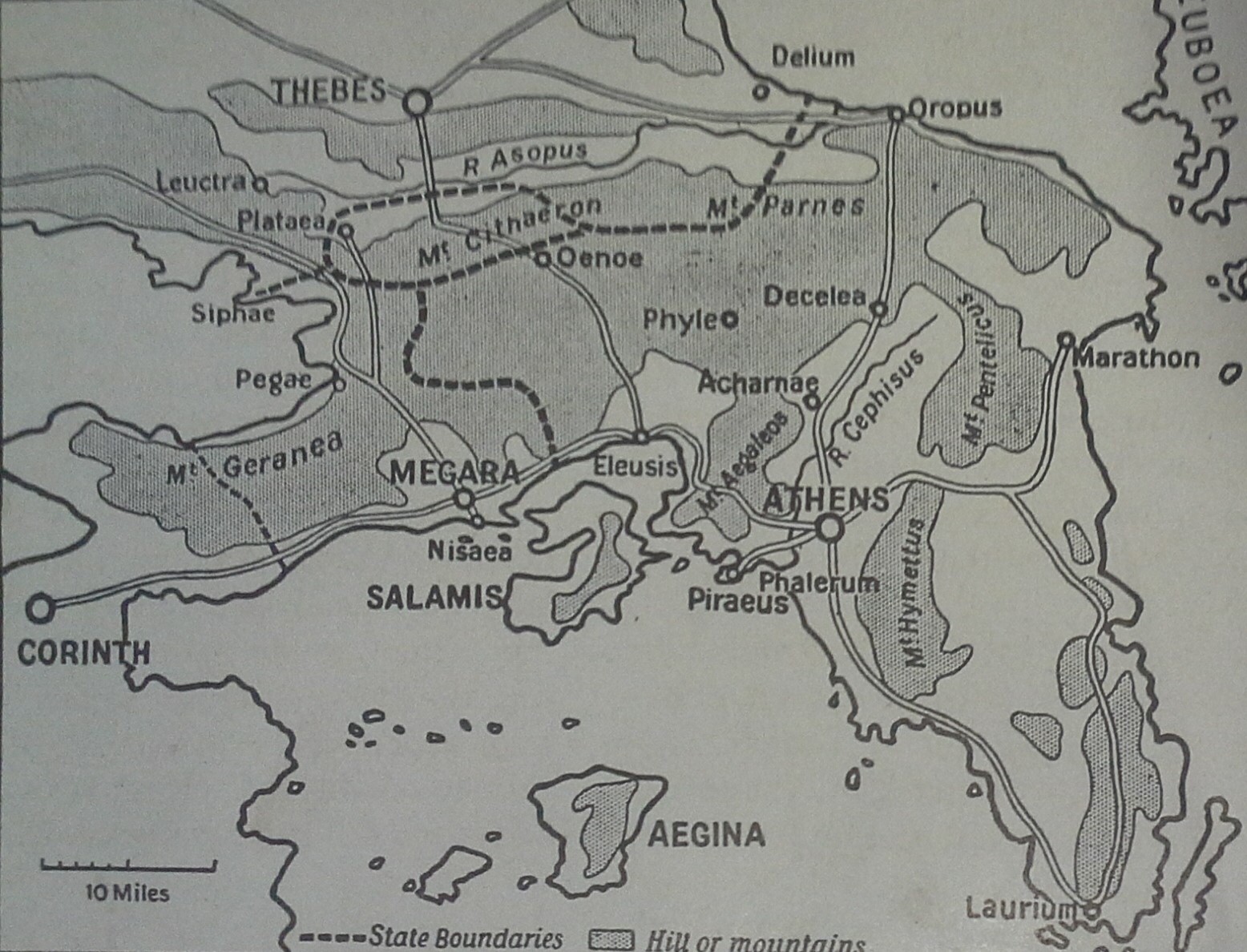
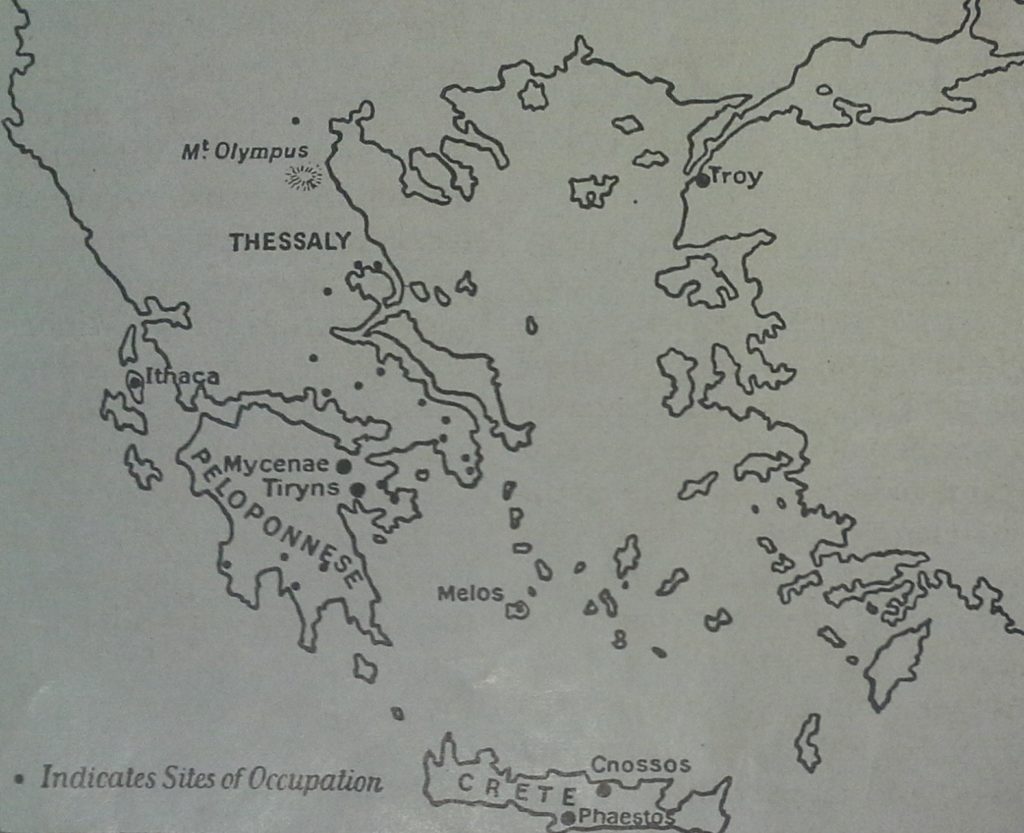
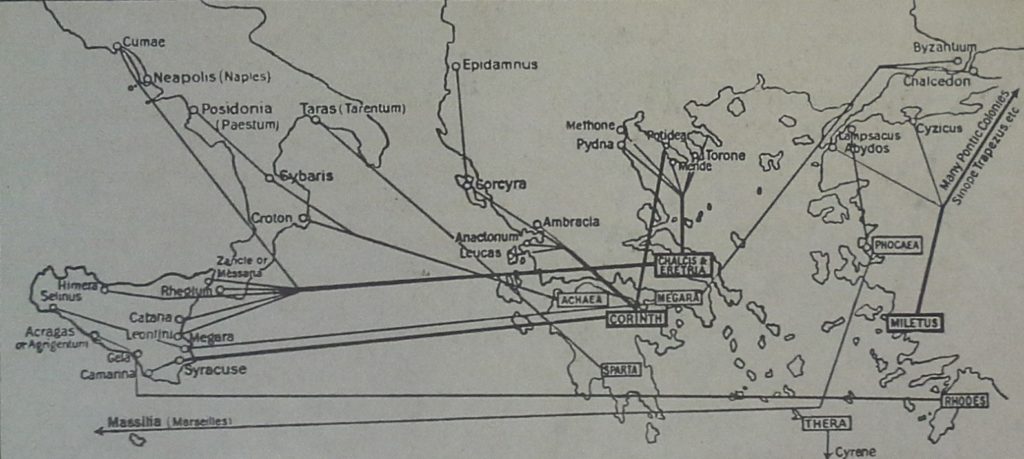
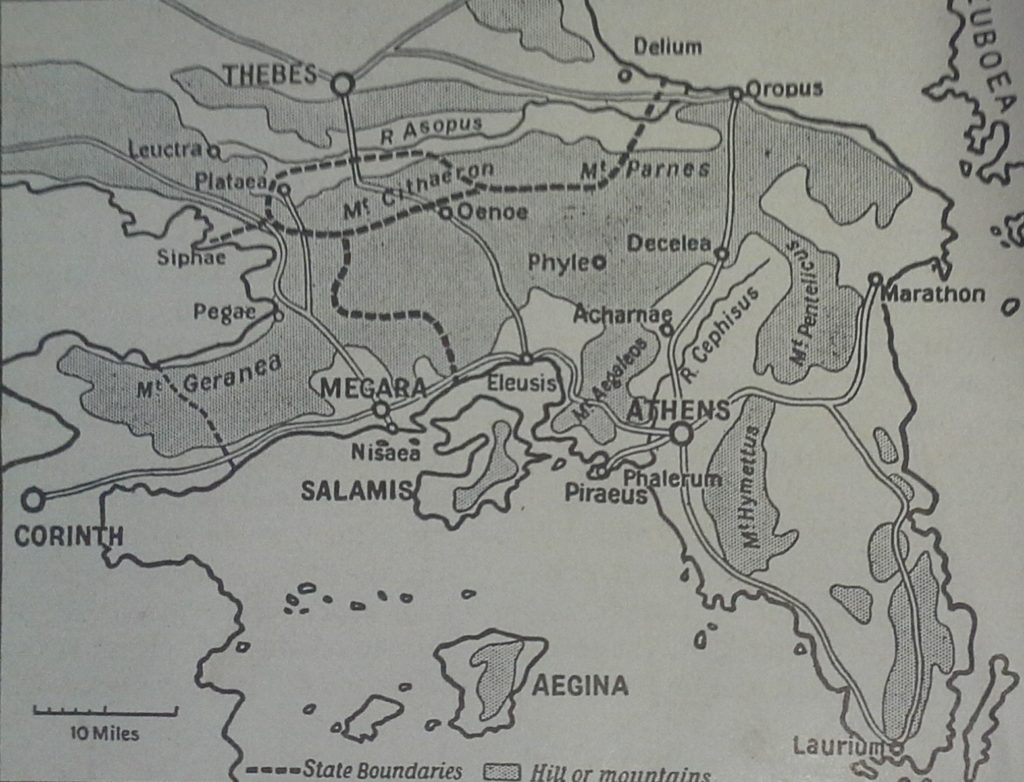
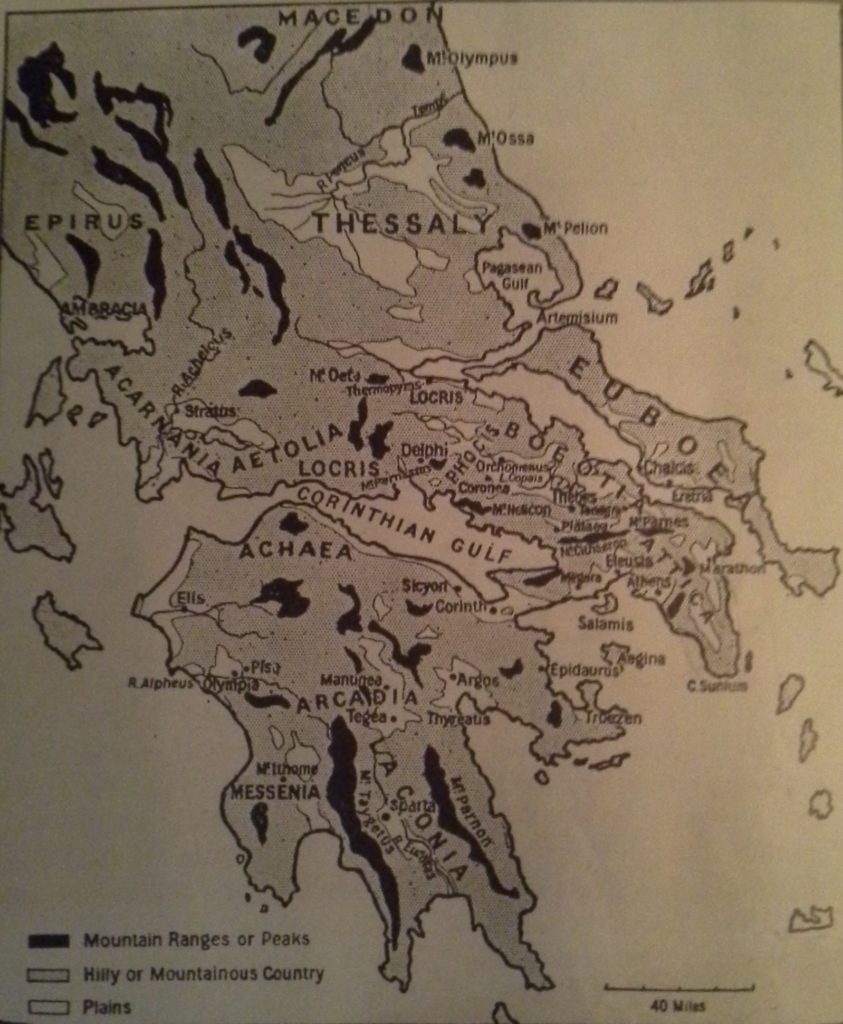
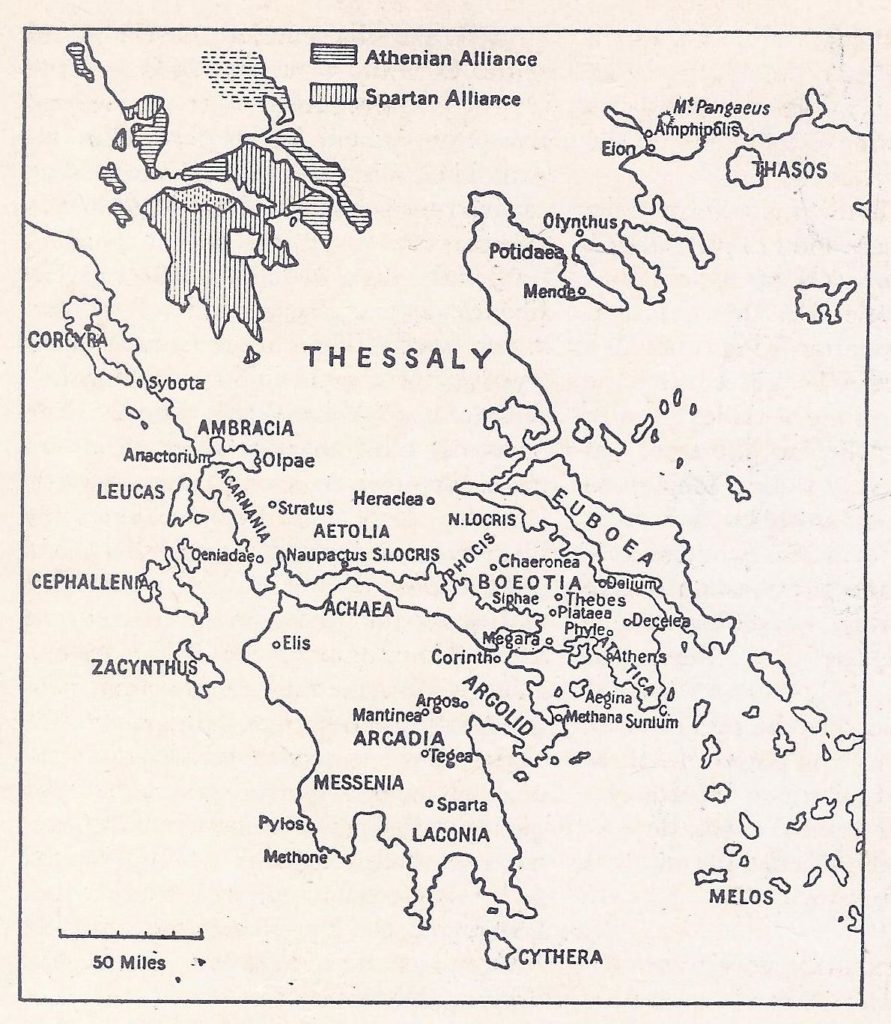
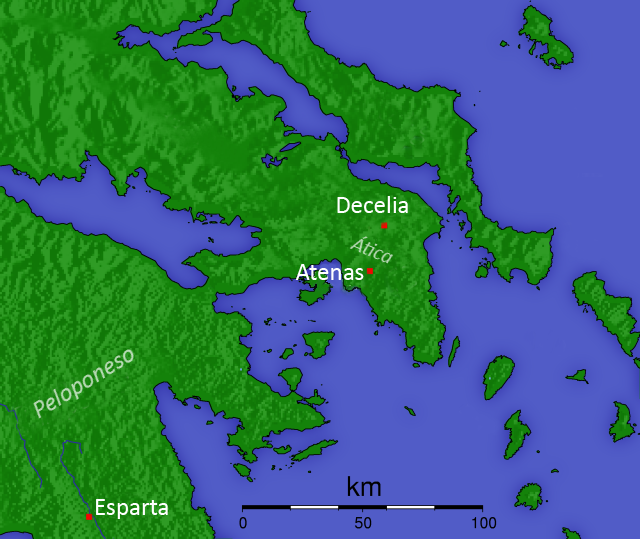
It is not surprising that the superb military machine which the Spartans developed was effective against their neighbours as well as against the Helots. In 546 B.C. Argos, once the leading city of the Peloponnese, was defeated and by about the year 500 almost every city in the peninsula, and Megara outside it, had joined an alliance which acknowledged Sparta as its head.
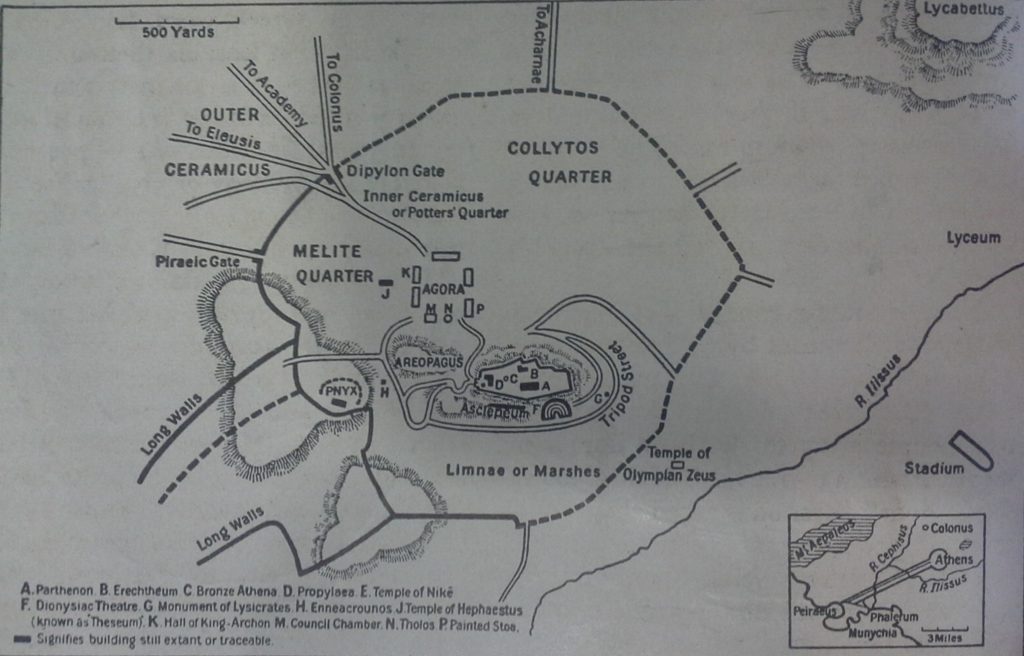
Not many miles beyond Megara, if one was travelling from the Peloponnese, lay Athens. But there was no question of Athens joining the Sparta alliance. Her development in the centuries before 500 B.C. had been very different.