Damocles’ Sword – The Fourth Century

This entry is part 45 of 49 in the series Hellenes Greek History and Mythology

Hellenes Greek History and Mythology
hellenes

Who were the Hellenes?

Minotaur

Theseus and the Minotaur

minos

The Palace of Minos

troy

Helen of Troy

hector

The Wooden Horse

Trojan

Was there a Trojan War?

migration

The Migration

city-states

City-States and Colonies

delphic oracle

The Delphic Oracle

olympic games

The Olympic Games

sparta

Sparta

A Spartan grows Up

athens

Athens

Solon

tyrant

A Tyrant Who Was Not Tyrannical

Athenian Democracy

ionian greeks

The Ionian Greeks

marathon

Marathon

athenian

The Rivals

xerxes

The Second Persian Invasion

Thermopylae

Persian Soldier

“Wooden Walls” and Salamis

aeschylus

Aeschylus

theseus

Theseus Comes Home

delos

The Confederacy of Delos

The Athenian Empire

herodotus

Herodotus, The Father of History

parthenon today

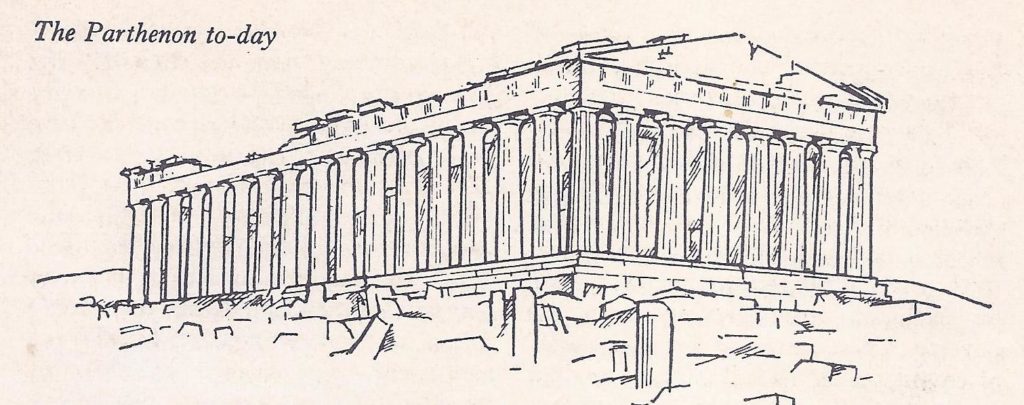
The Parthenon

Thucydides

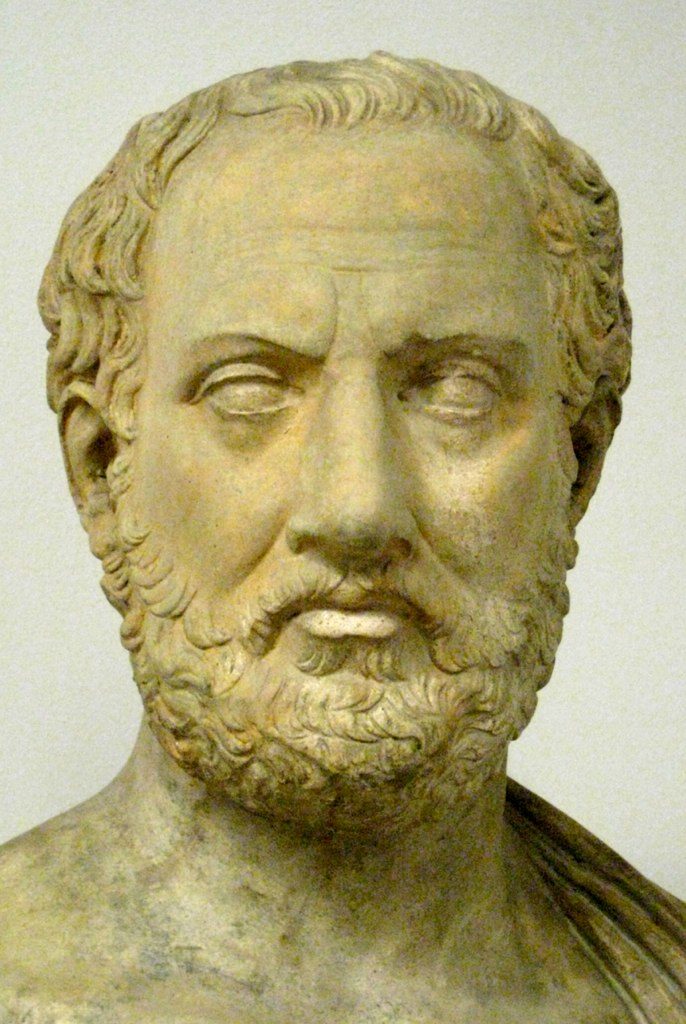
Thucydides

Athens fight Sparta

Why Did Athens Fight Sparta

The Peloponnesian War

The Peloponnesian War Begins

athenians and death

Athenian Death

Hippocrates and Disease

pericles dies plague

Pericles Dies

Cleon Tanner

Cleon the Tanner

peace

Peace

Socrates

Socrates

Alcibiades

Alcibiades

Hermes, Sicily

Sicily

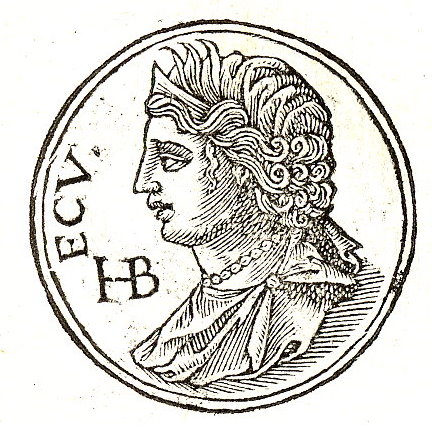
Hecuba, Queen of Troy

Hecuba, Queen of Troy

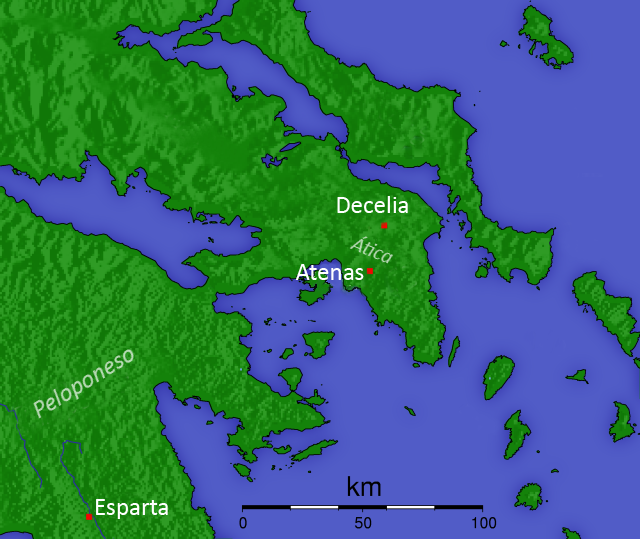
Decelea

Decelea, a Thorn in the Flesh

oligarchy

Oligarchy and Athens in Defeat

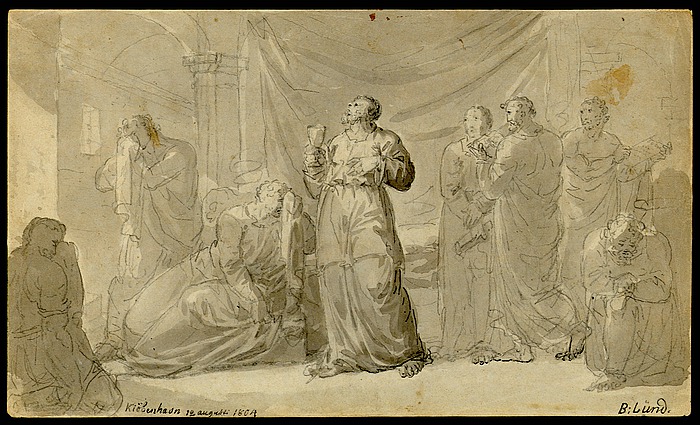
socrates' death

Socrates’ Death

xenopon

Xenophon

damocles' sword

Damocles’ Sword – The Fourth Century

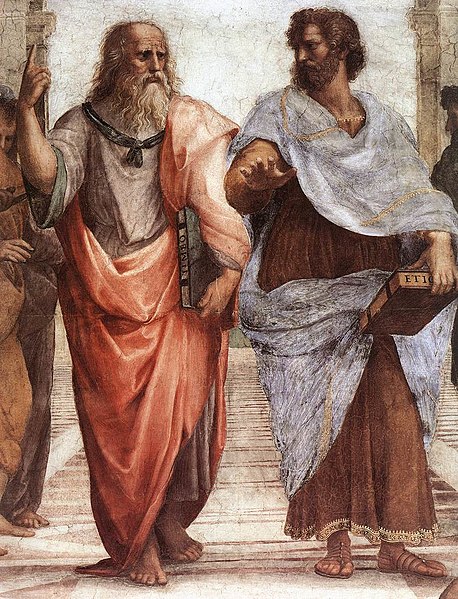
Plato

Plato

Alexander of Macedon

Alexander of Macedon

Old Europe Crumbles (451 – 520 A.D.)

Hellenistic Age – Alexandria and Byzantium

Hellenistic Age – Alexandria and Byzantium

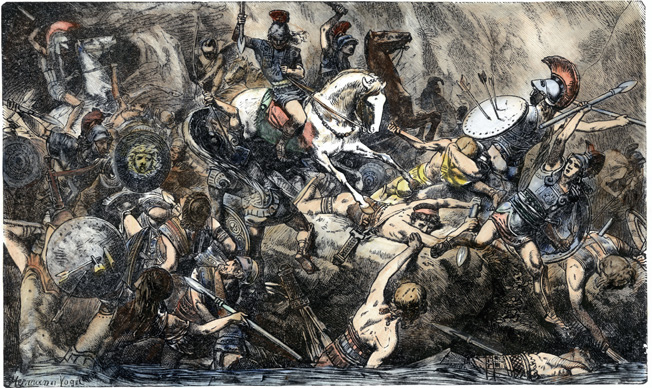
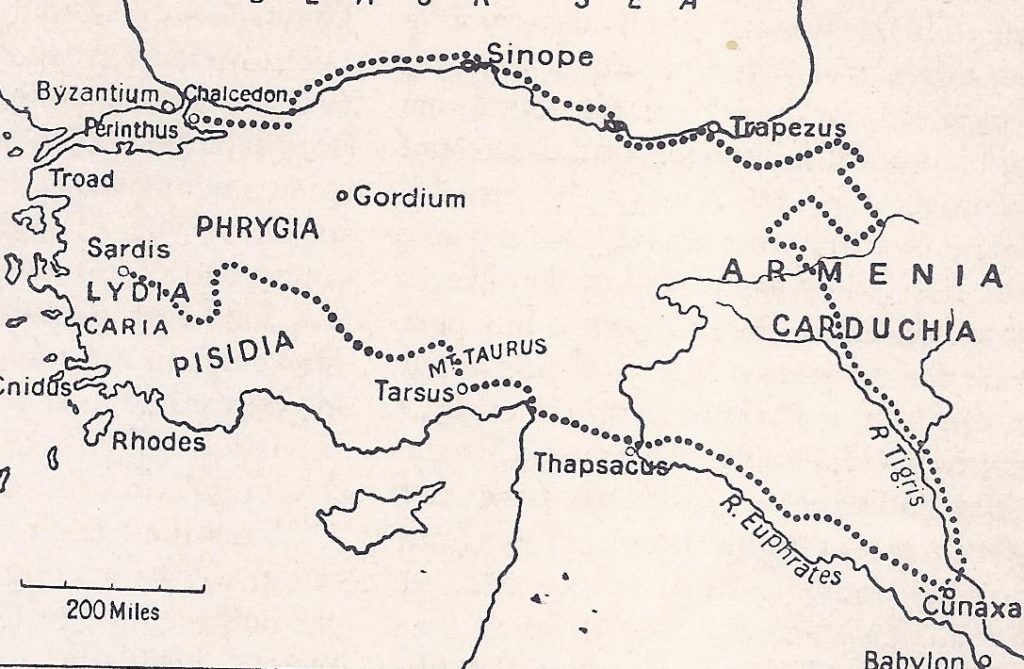
Damocles’ sword. Twice in Greek history the Spartans appear as heroes — when they fought under Leonidas in the pass of Thermopylae and when they marched under Xenophon from Babylon to the Black Sea. The rest of the time we are continually hearing of their Victories but never of their achievements. As the fifth century gives place to the fourth it is still the same story. Sparta has beaten Athens at last. Sparta is supreme, but nothing spectacular happens. She does not succeed in uniting Greece.

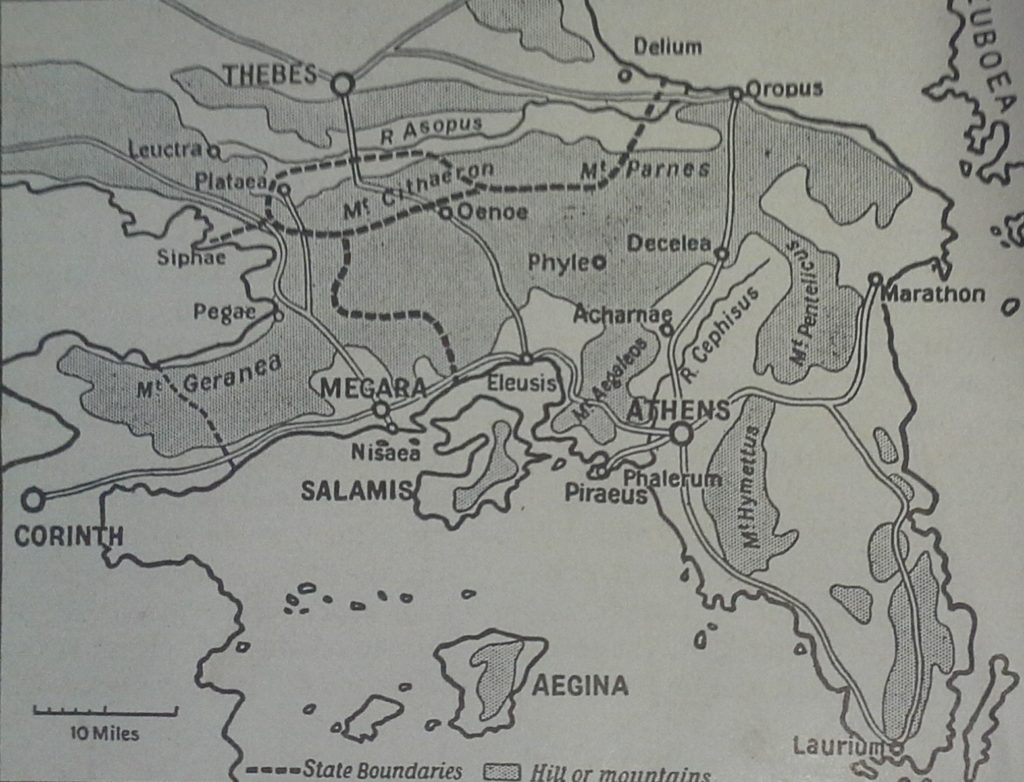
In 371, as a result of the battle of Leuctra, Thebes began a brief period of supremacy, which lasted until 362, when her leader Epaminondas was killed.

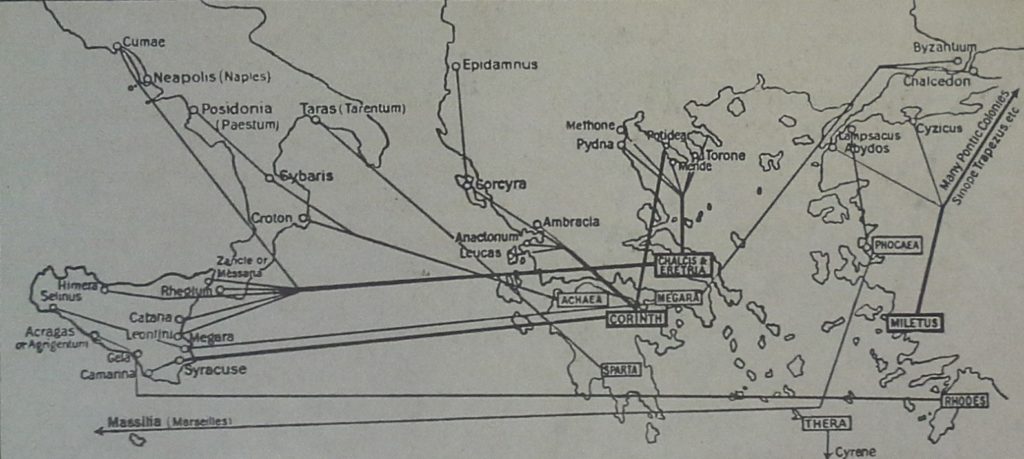
Unity was as far away as ever in mainland Greece and the Aegean, but in the west Dionysius of Syracuse (b. 430 – d. 367 — not to be confused with Dionysus, God of Wine) had stopped the advance of the Carthaginians and imposed his will on the Greek cities of Sicily and southern Italy. Most would have preferred disunity to the cruel discipline of Dionysius.

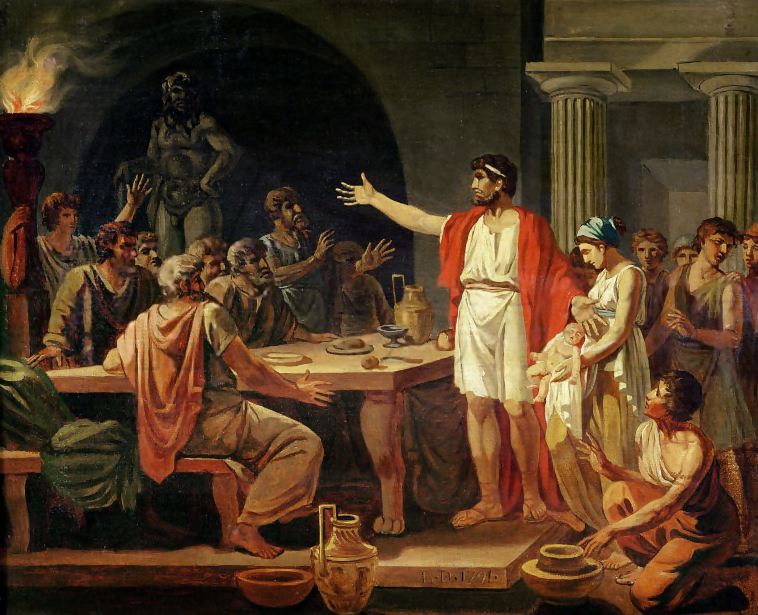
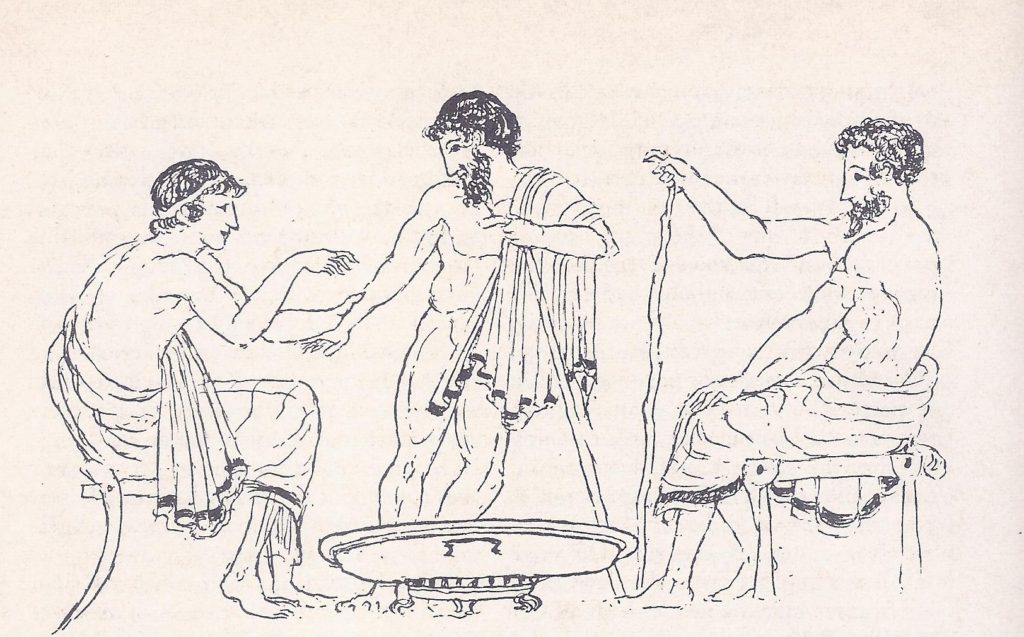
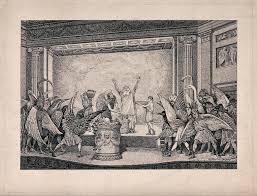
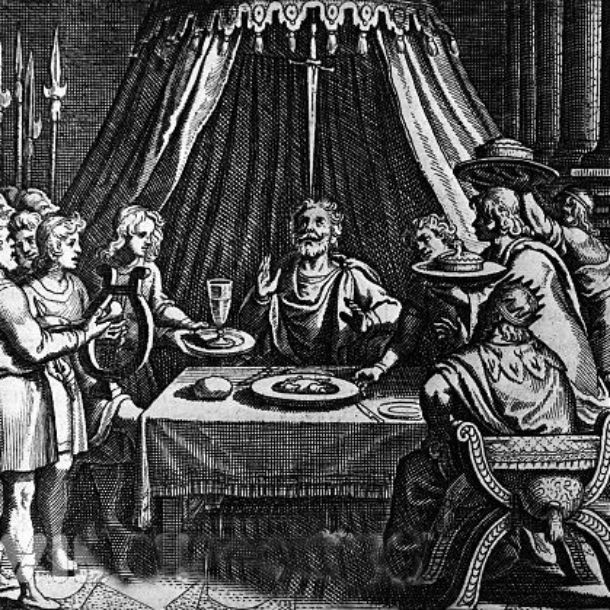
According to one story he arranged a banquet for his courtier Damocles, but had a sword suspended above him by a single horse-hair. This was intended to impress upon Damocles, who had flattered Dionysius, the truth that the happiness of a wealthy and powerful ruler was not unmixed with anxiety. The hair held and the sword did not fall; but Damocles found himself unable to enjoy his dinner. He had learned his lesson.

Hellenes Greek History and Mythology
Xenophon Plato