Hellenes Greek History and Mythology

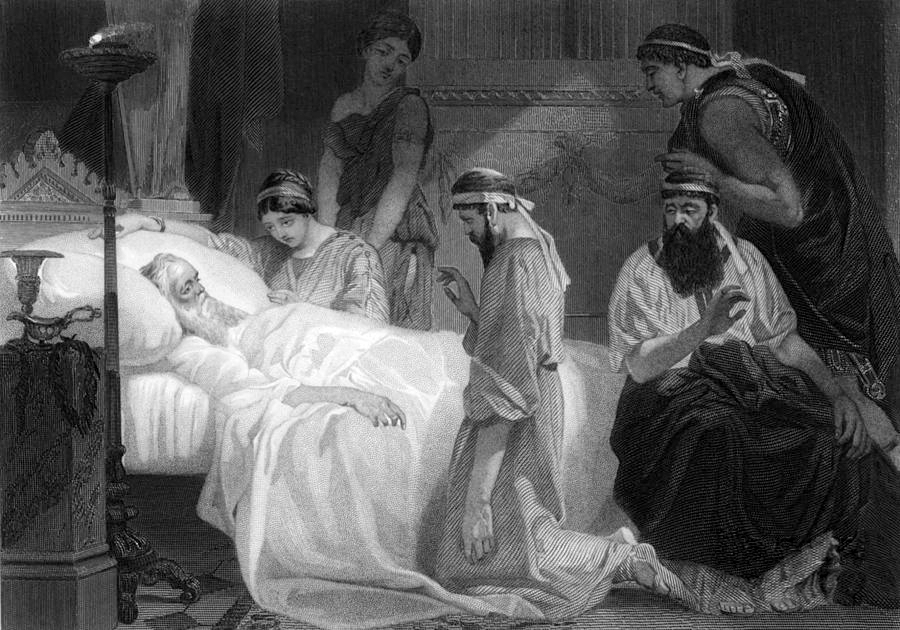

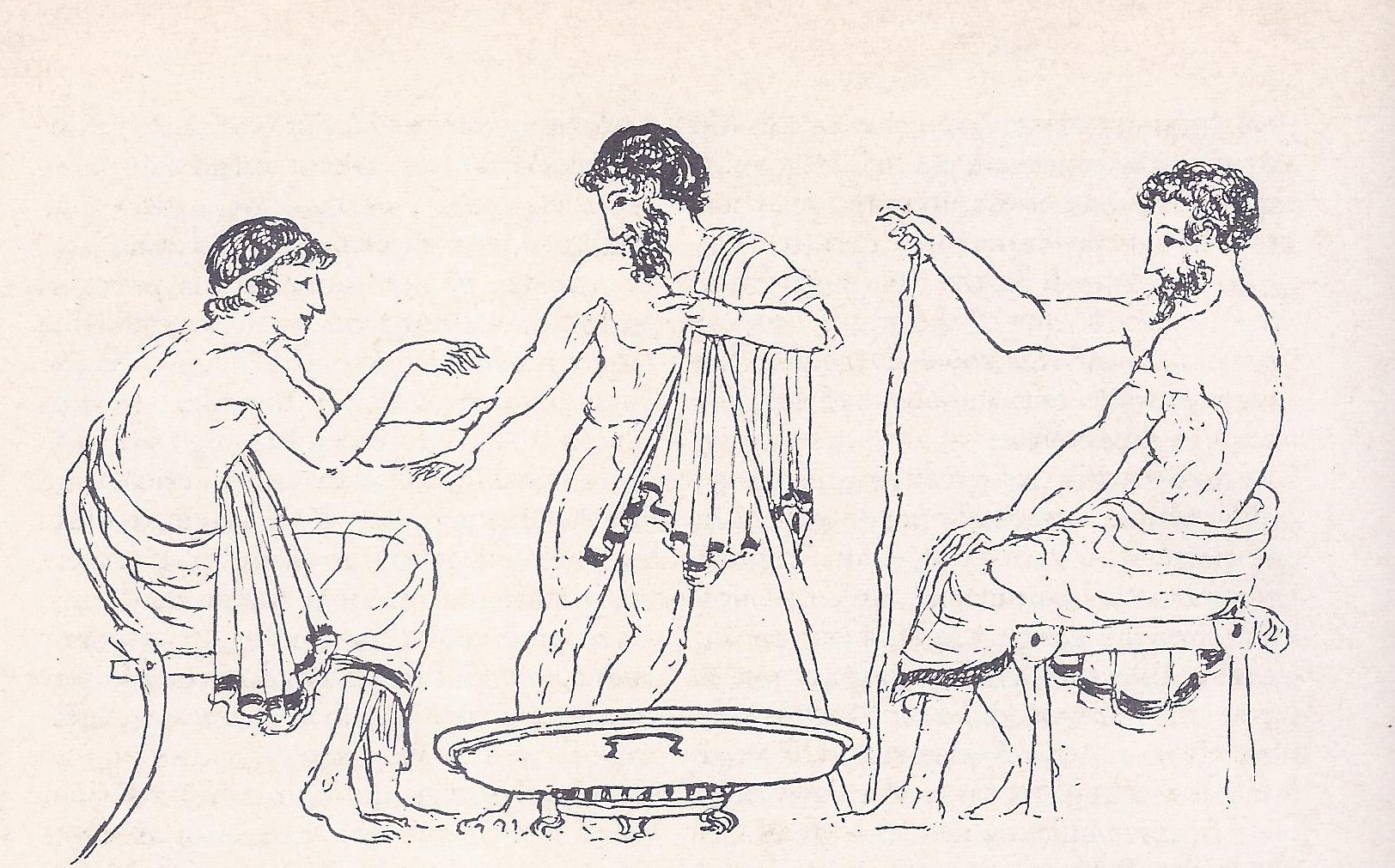
In Hippocrates’ time, if death was the end, what could be done to stave it off? Deprived of what we would now call the comforts of religion, could the Athenian at least rely on an efficient medical service?
Herodotus describes a doctor called Democedes who (in the 6th cent.) was hired by three states in turn – Aegina, Athens and Samos – each offering a higher salary than the last. So there may have been some sort of state medical service.
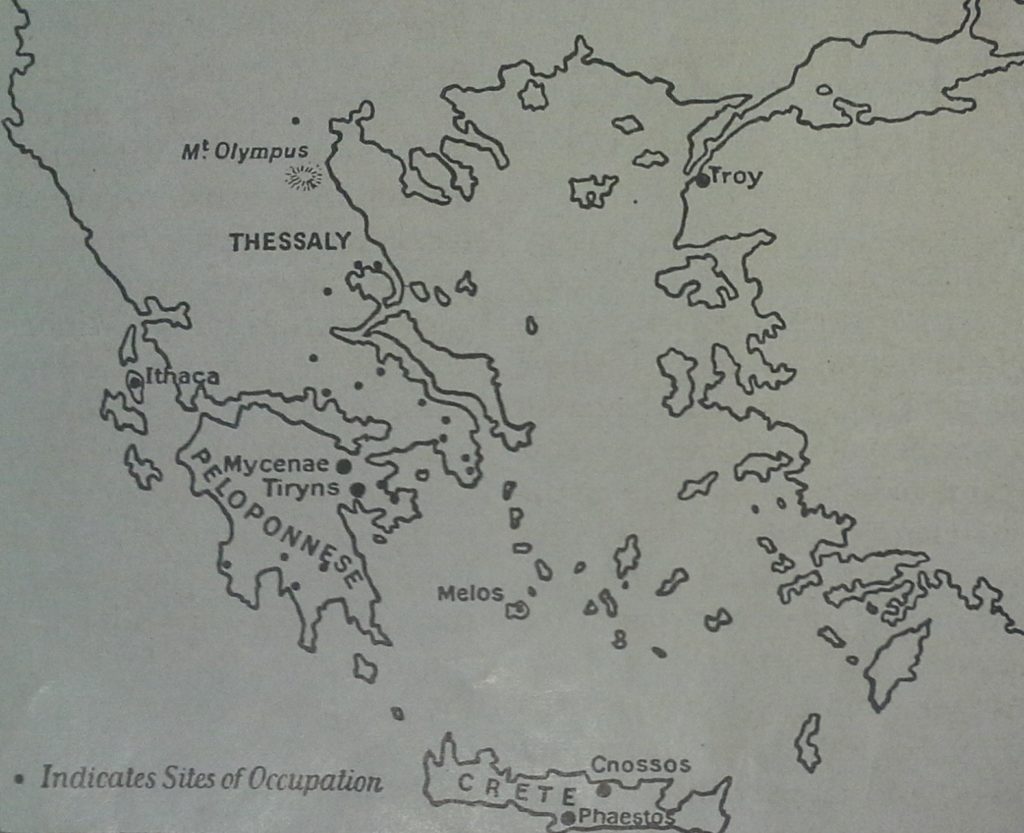
Army doctors appear as early as “the Trojan War and a wounded Athenian in the Peloponnesian War would be efficiently bandaged. Ointments would be applied, broken limbs set, herbal remedies administered. That was something, but medicine cannot progress without dissection. Unlike the Egyptians, the Greeks did not dissect bodies and find out how they worked.
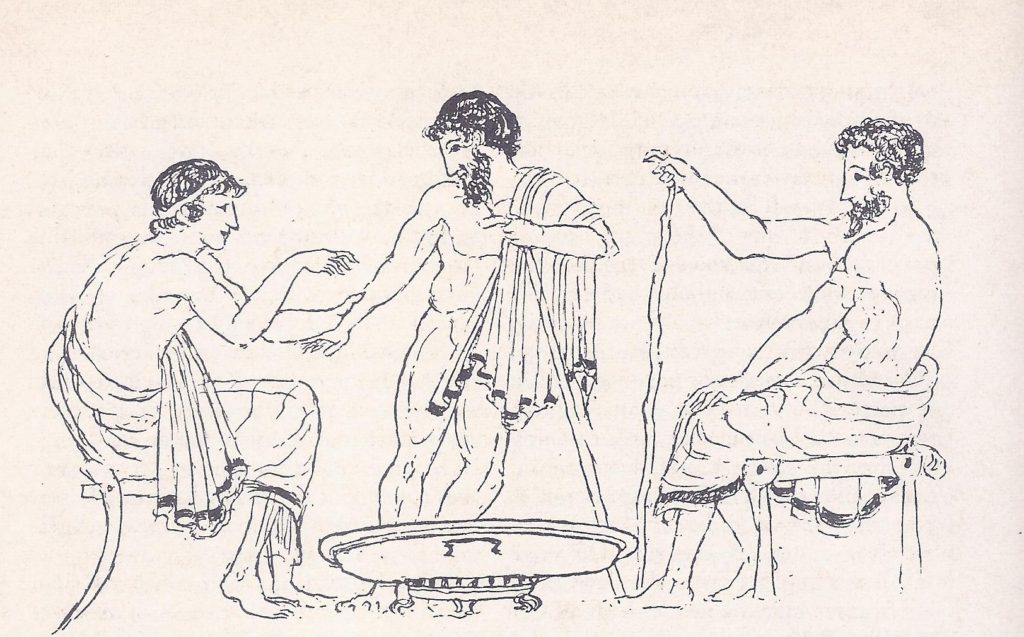
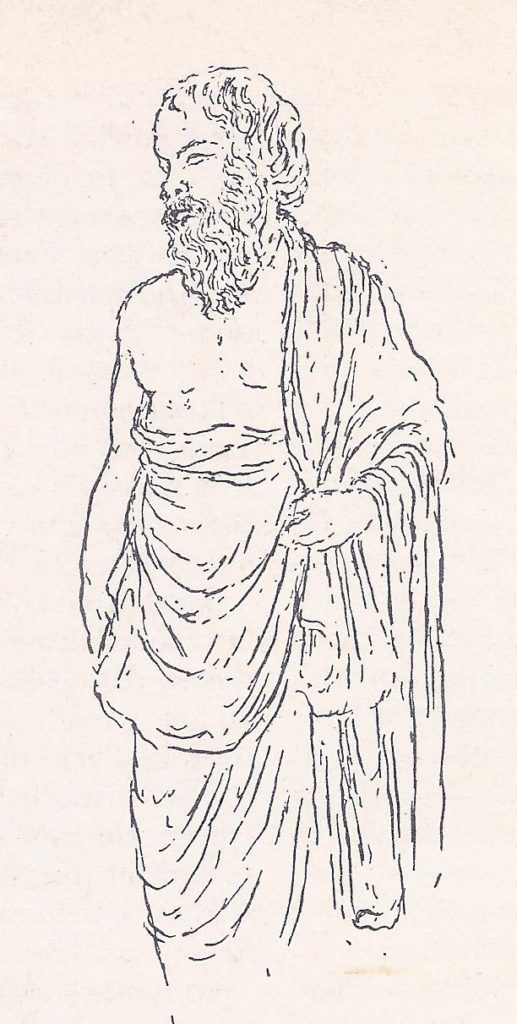
Hippocrates of Cos was alive at the time of the Peloponnesian War. His careful study of the symptoms of patients suffering from certain diseases (e.g. epilepsy and tape-worm) was an advance at a time when many people still thought that cures could best be effected by sacrificing to the god Asklepios or lying in his shrine.Hippocrates may have had a good influence on the behaviour of doctors, e.g., in preventing them revealing private matters which they had learned in the houses of patients. Doctors in Britain still swear what is called the Hippocratic oath and some of the provisions of this oath may have originated with Hippocrates himself. We do not hear of his practising dissection. In short, although Greek doctors were famous in the ancient world and made a valuable contribution to medical history, the available medical treatment was crude and surgery hardly existed until Alexandrine times.
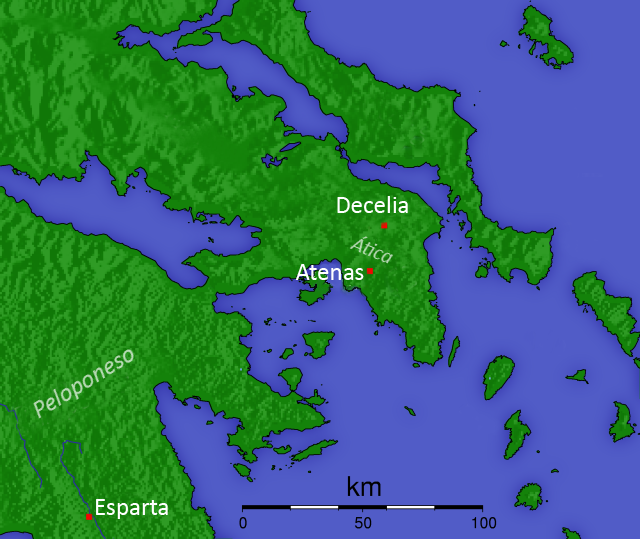
When, therefore, the Spartans invaded again in the spring of 430 and the country people again overcrowded the city and plague broke out, nobody had any idea what to do about it.
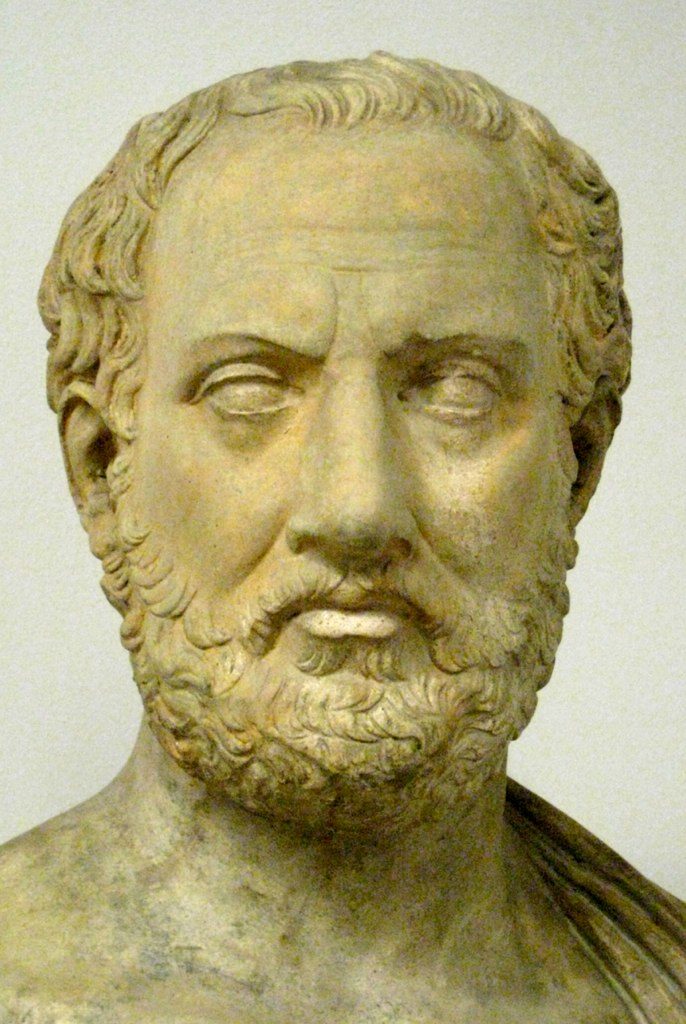
Most people who caught the plague died within a week. Thucydides was one of those who recovered. The symptoms were horrible — headache, inflamed eyes, bad breath, sickness and a raging unquenchable thirst. Ulcers broke out all over the body and sufferers could not bear the touch of clothes. They were unable to sleep. It was as if a slow merciless fire was burning inside them and the body was fighting a long battle against it. The battle was one which many — such was their torment — were not sorry to lose.
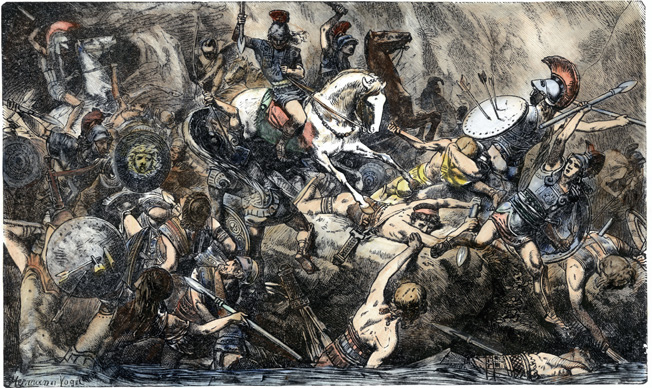
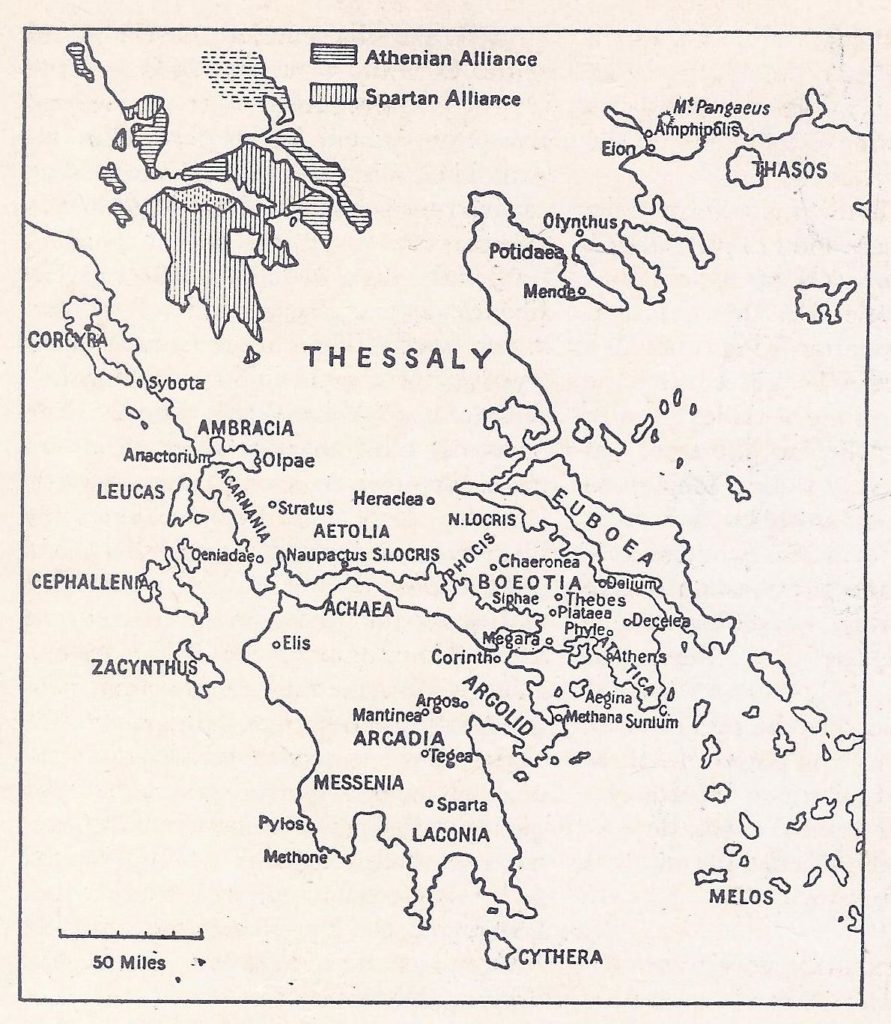
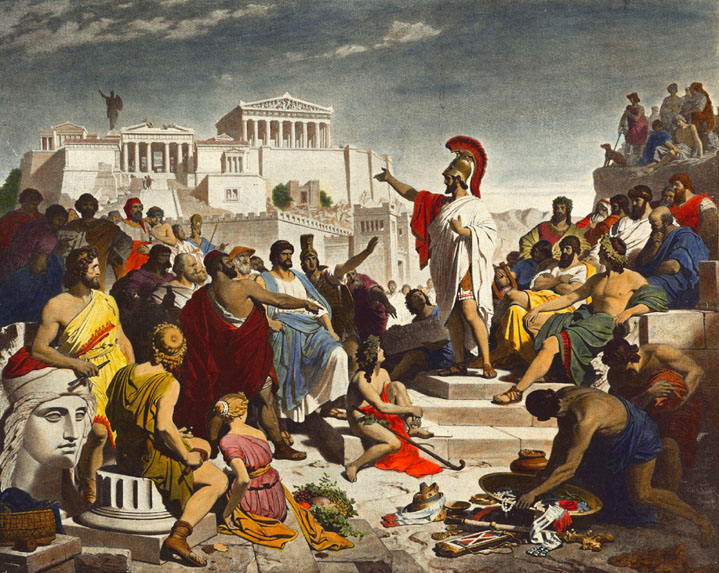
The war went on and the plague went on with it. As in the previous year, Pericles sent a force to raid the Peloponnese but many of the soldiers and sailors died of the plague. Plague also attacked the army which was still besieging Potidaea.