Hellenes Greek History and Mythology
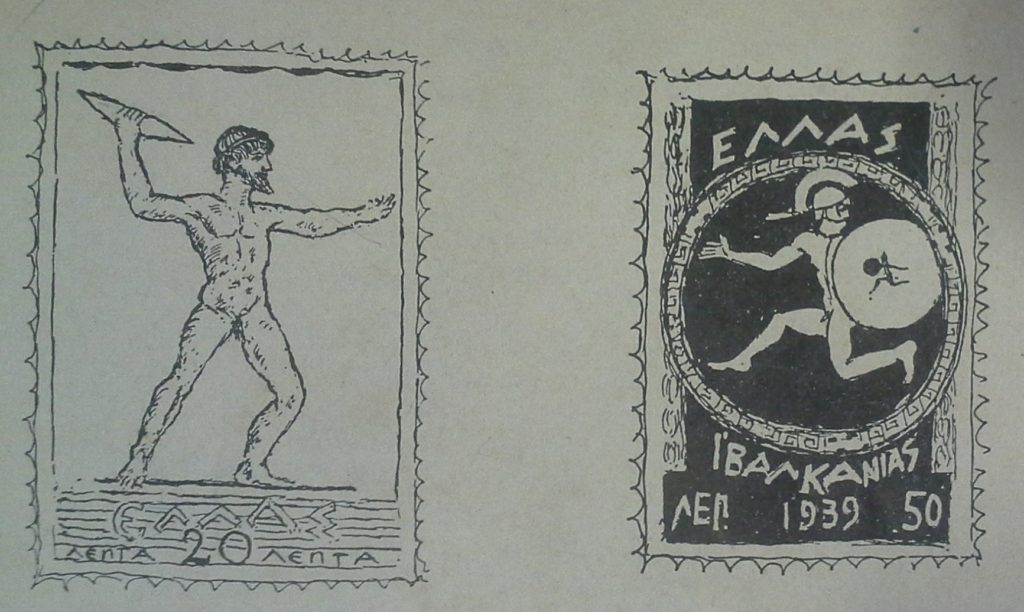
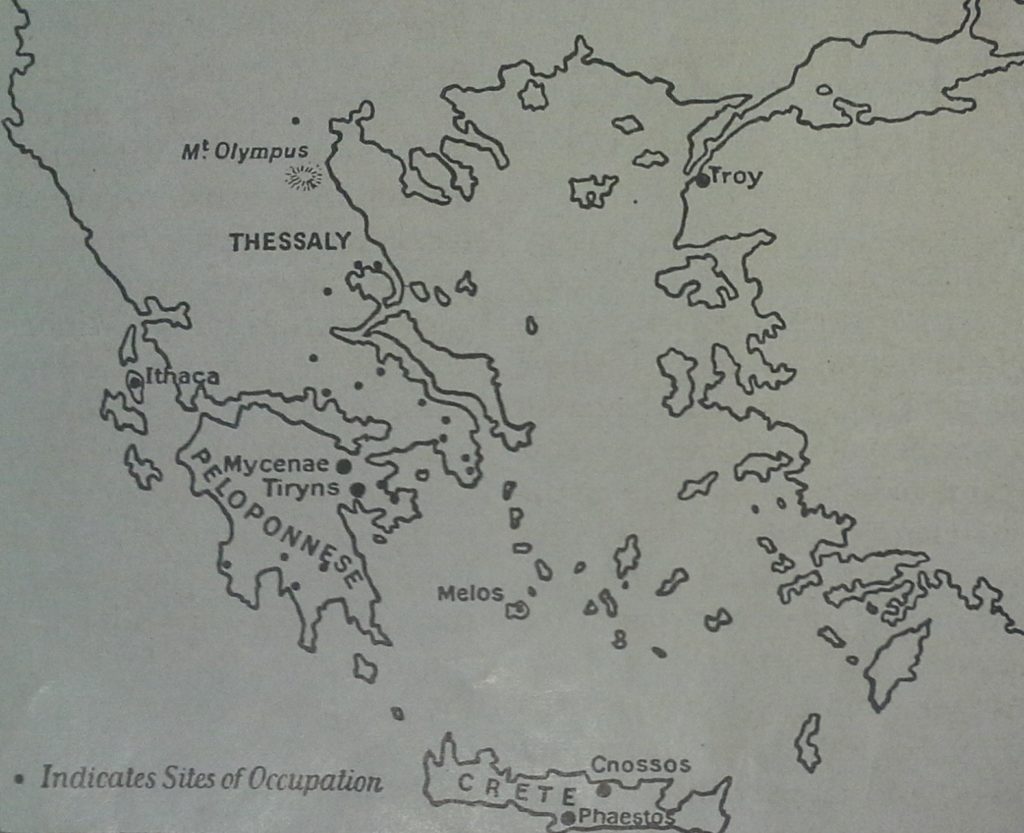
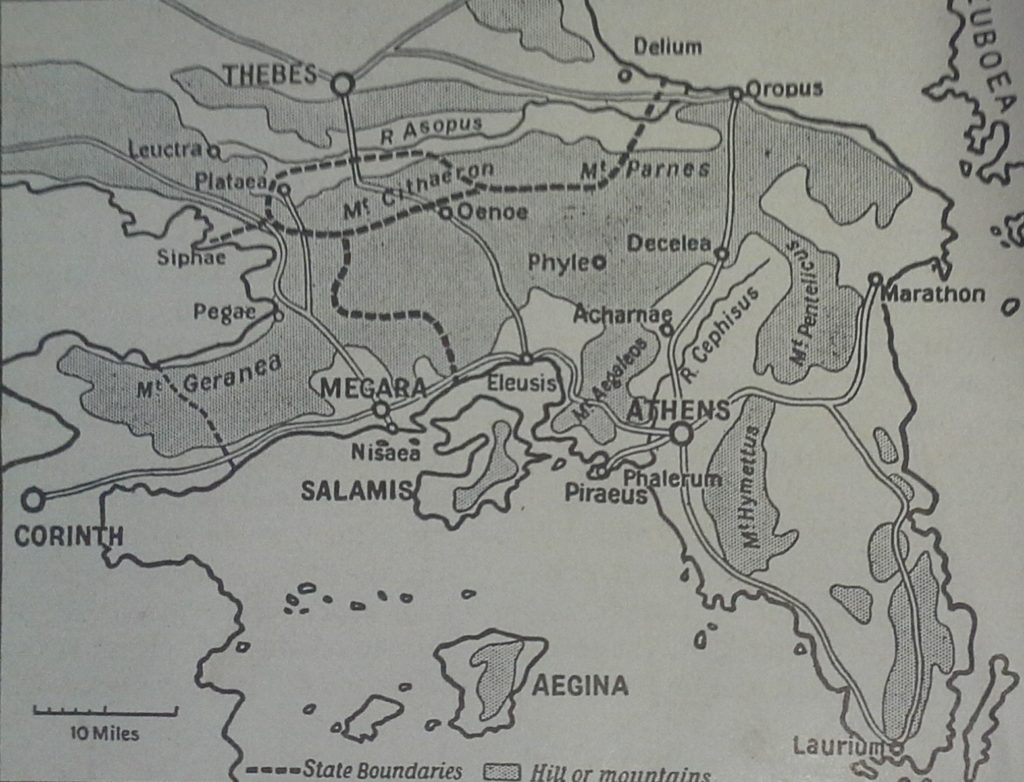
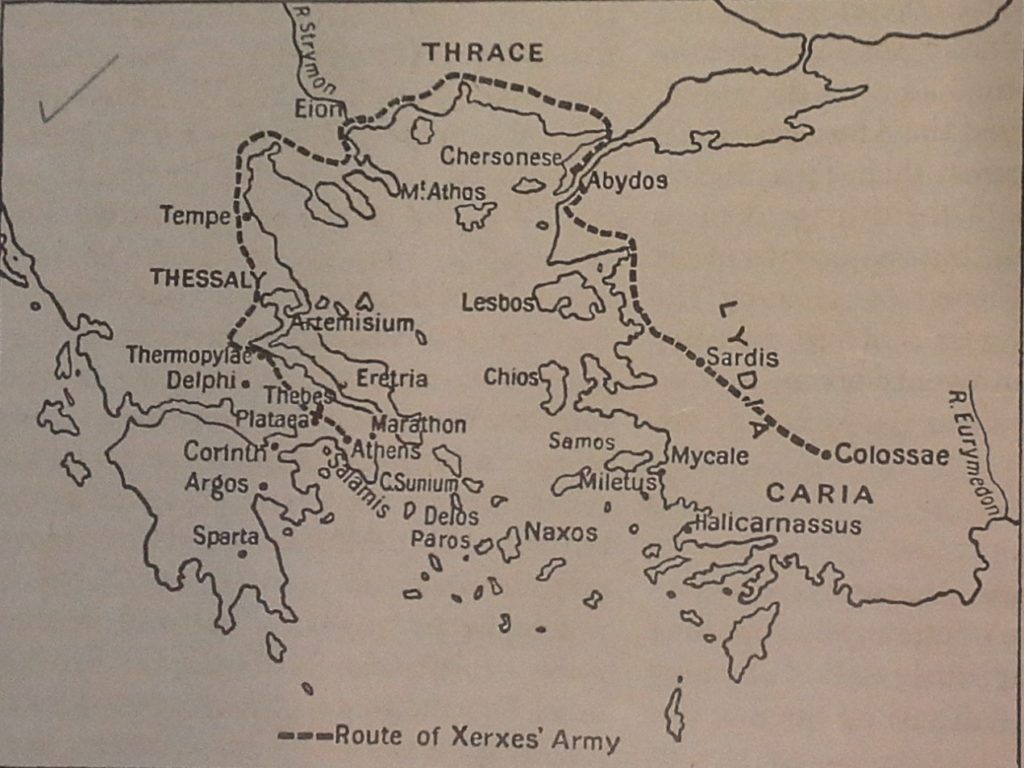
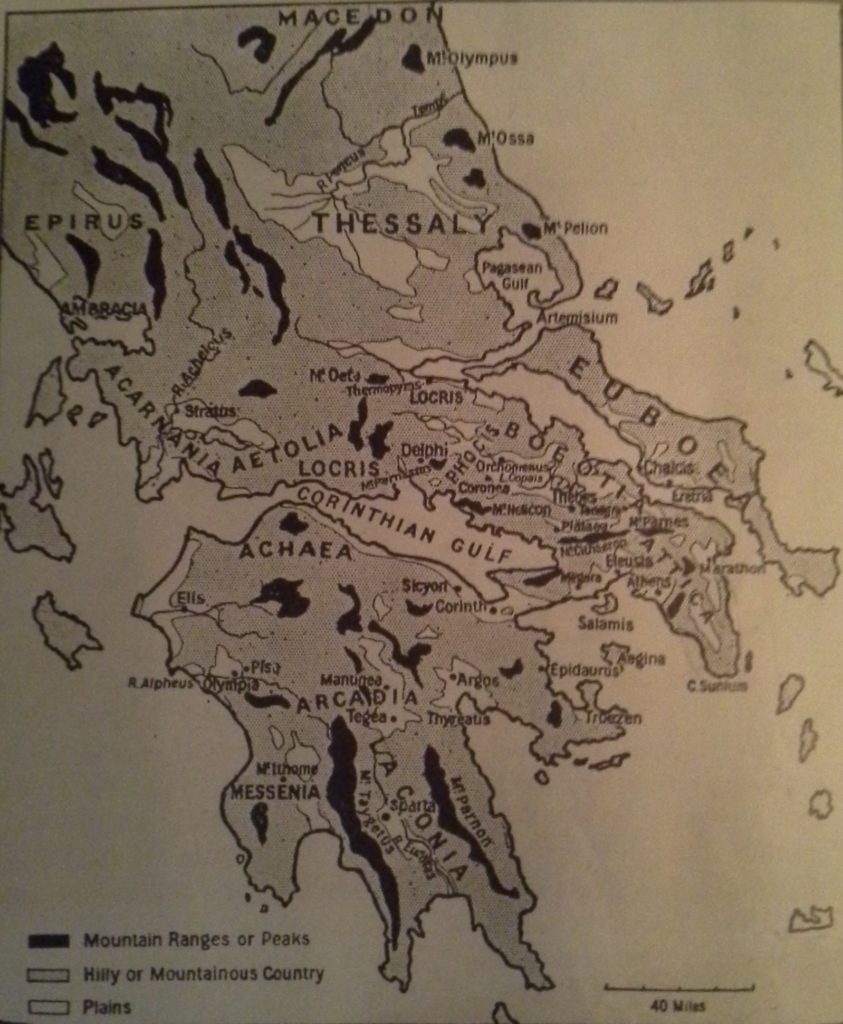
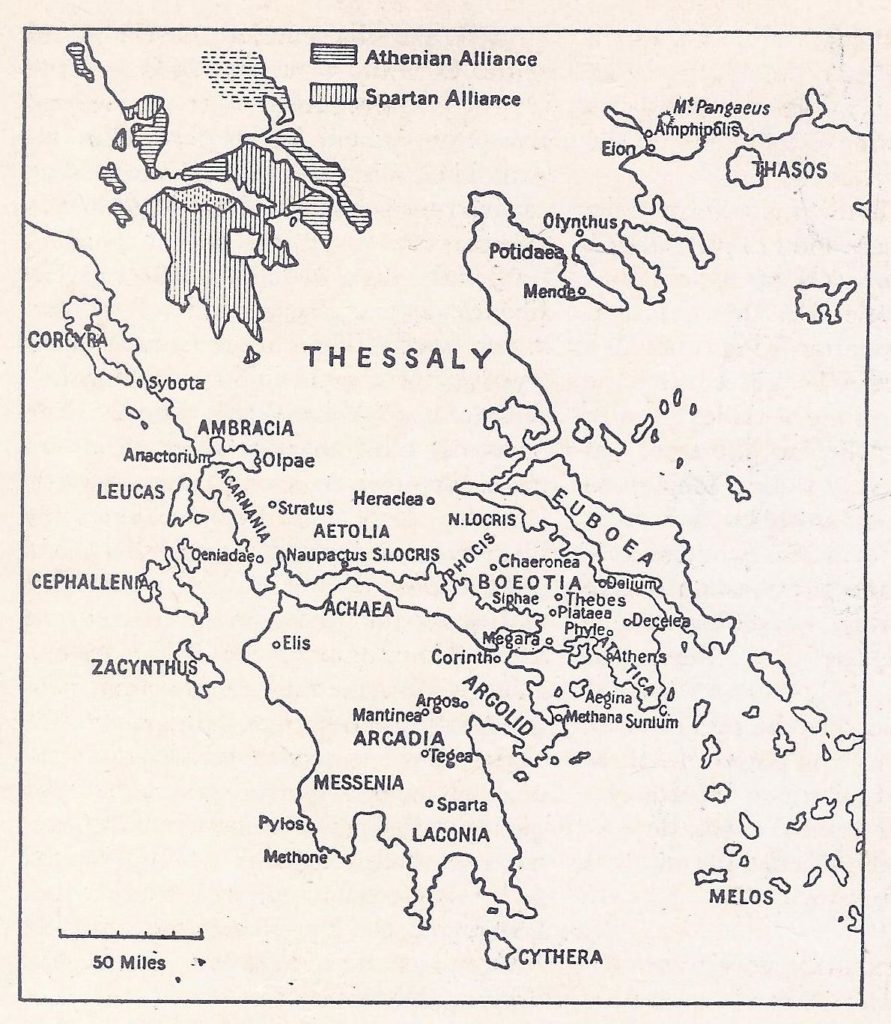
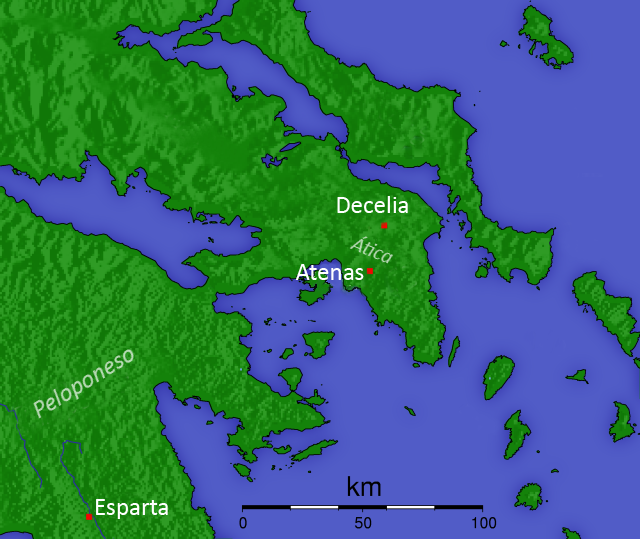

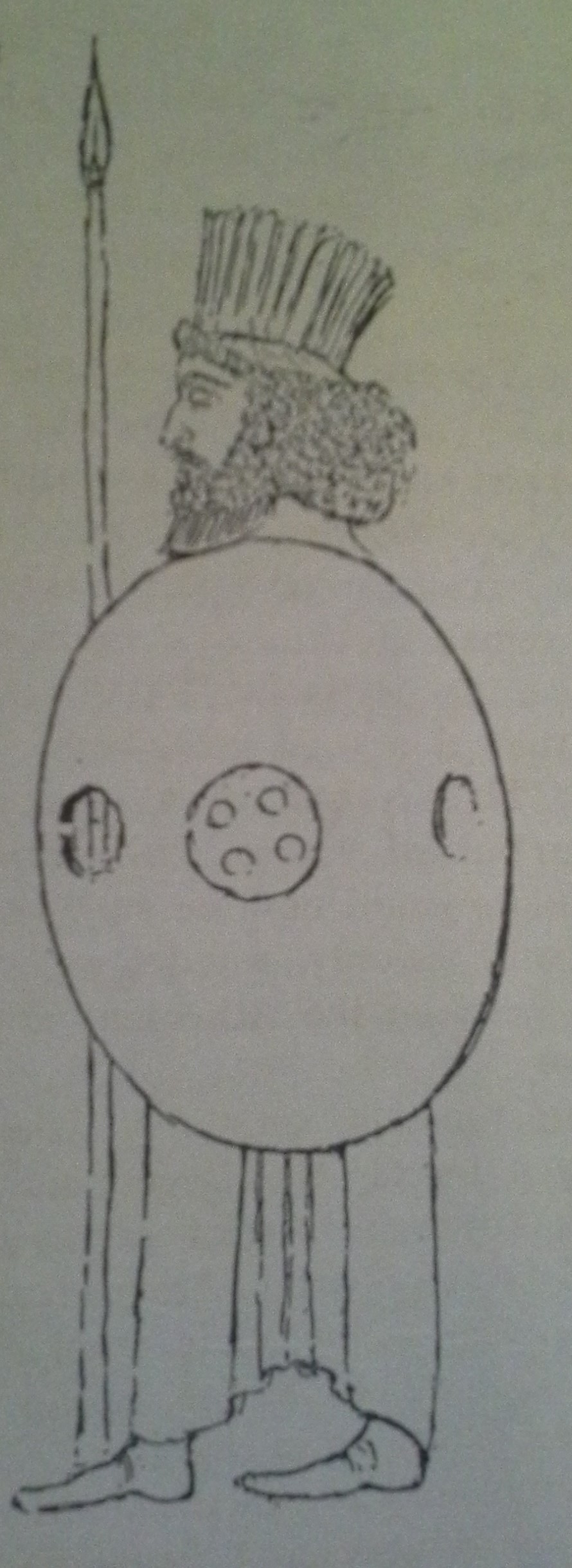
After Thermopylae the Spartans were only interested in defending the Peloponnese. Their next line of defence was across the Isthmus of Corinth. The atmosphere on the two sides of that line was now very different. Much of the Peloponnese was still far from the war. At Olympia the four-yearly games were taking place as usual. (Who on earth was free to attend them? one wonders.) North of the Corinthian gulf, however, townsmen and countrymen alike knew that the Persian army would be on top of them any day now. Knowing this, what did they do?
The men of Delphi routed the Persian force which hoped to plunder the treasures of their sanctuary. They were helped by a storm and probably by some hocus-pocus arranged by the resourceful priests of Apollo. The men of Baeotia, with its capital, Thebes, put up no opposition and submitted to Persian occupation. The Athenians evacuated Attica, moved their families over to Salamis, Aegina or the Peloponnese and waited to see what Themistocles and his ships would do.
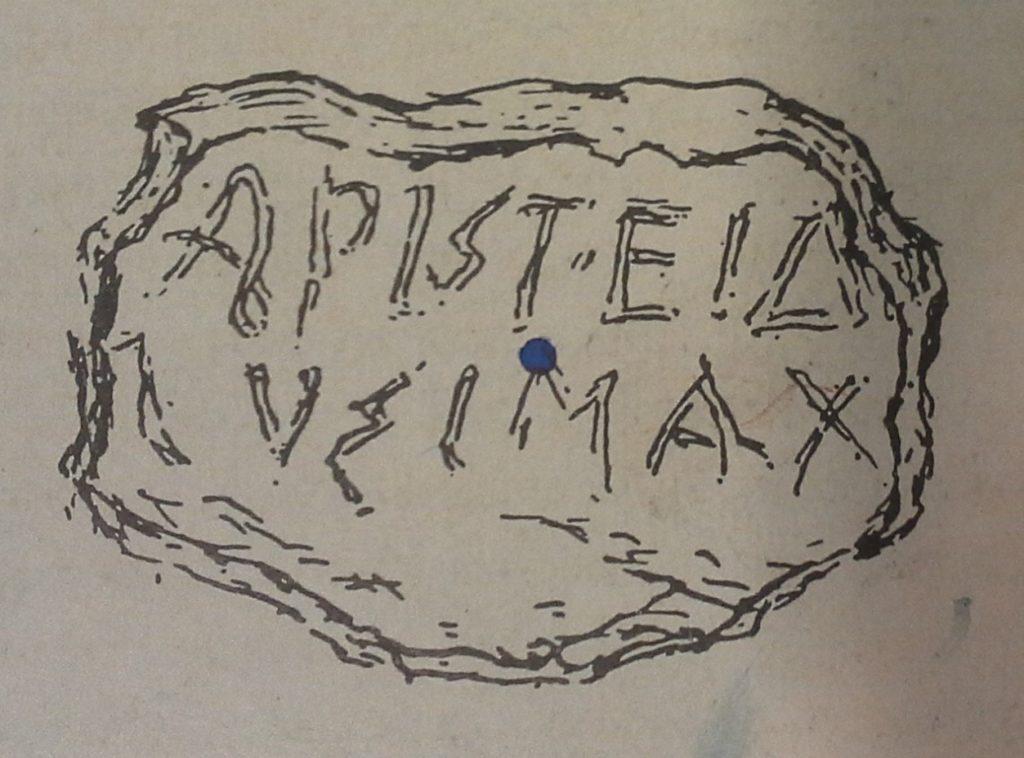
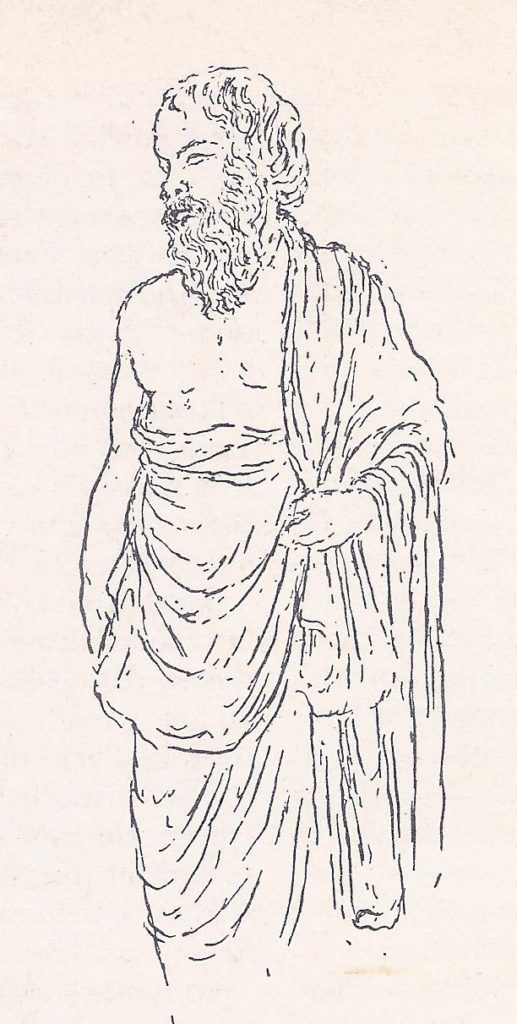
Themistocles had been with the Greek fleet at Artemisium, opposing the Persians at sea, while Leonidas fought them on land. He then moved south, inscribing propaganda slogans on the rocks, where he hoped the Ionians in the Persian fleet would read them and be moved to but when the Persian fleet later passed that way (there had been a period of shore leave for the sailors to inspect and exult over the Spartan deed) no Ionian showed any sign of wanting to change sides.
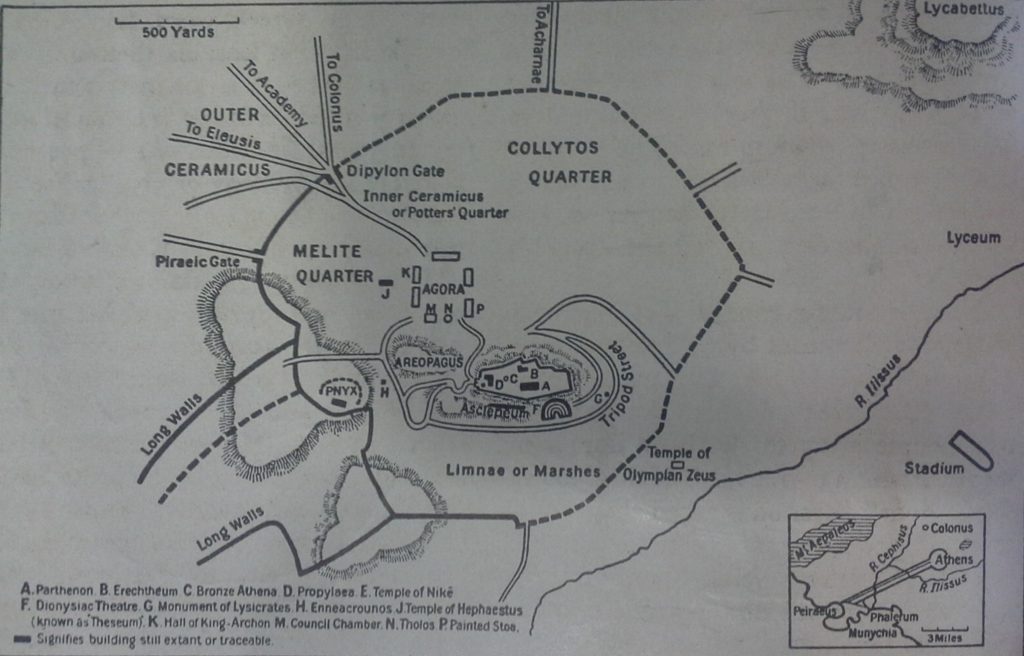
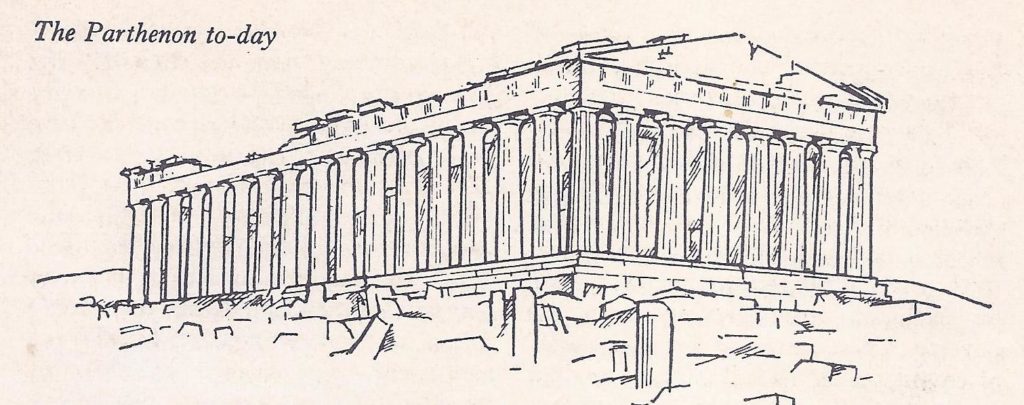
The Persian army advanced through Attica and entered Athens. The Delphie oracle had said that Athens would he kept safe by her “wooden walls” and a few diehards, refusing to take part in the evacuation, remained behind a wooden barricade on the Acropolis. They learned too late that they had misinterpreted the oracle. Their resistance was overcome and Xerxes burned Athens. Themistocles and his sailors could now be sure that their ships were the only “wooden walls” which stood between the Athenians and annihilation.
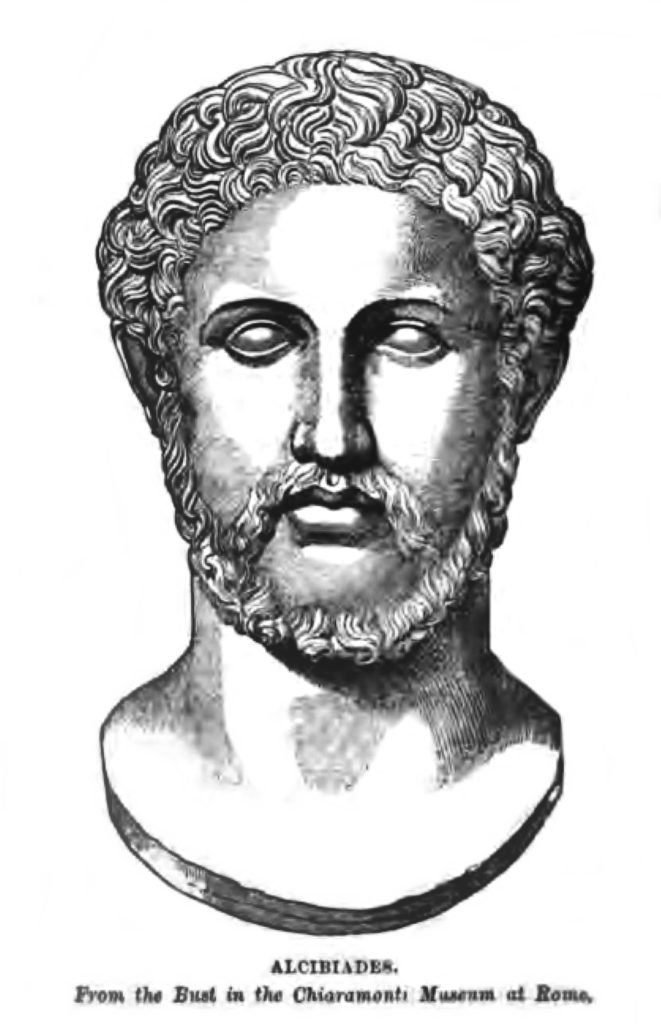
Unfortunately, although Athens had supplied by far the largest number of ships (180) to the Greek fleet, the admiral-n-chief was a Spartan. Athens had not yet the prestige to persuade other states to serve under her. At sea, as on land, a Spartan had to be in charge.
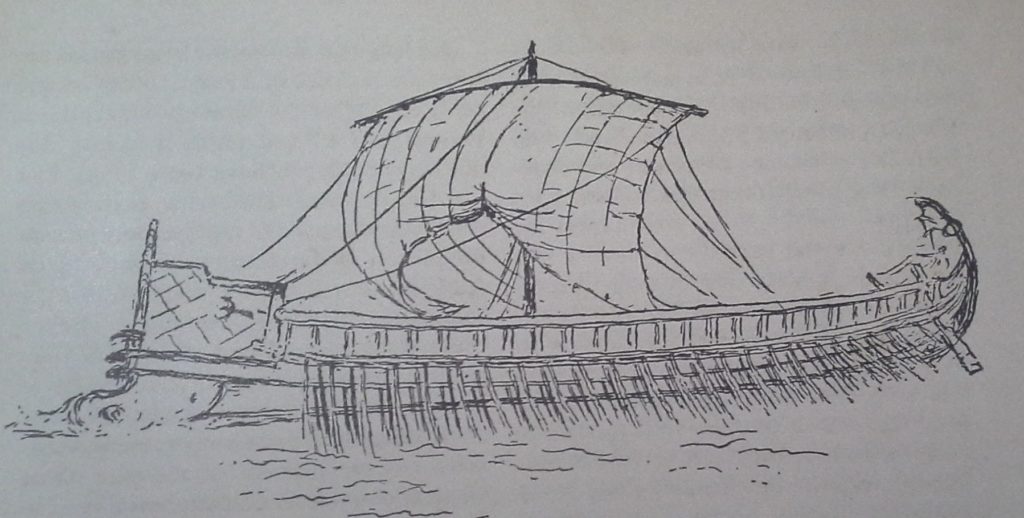
Spartans or Corinthians could view the Athenian refugees and the smoking ruins of their homes with equanimity. In their hearts they were probably rather relieved. What mattered to them was the defence of the Isthmus. As far as they were concerned, the sooner the fleet left the better. Themistocles, however, was sure that the narrows between Salamis and the mainland were the best place in which to fight the more cumbersome and more numerous Persian ships. Having failed to persuade his allies, he finally got his way by sending to Xerxes a trusted slave, who gave warning that the Greek fleet intended to slip away. On hearing this the Persians sent an Egyptian squadron to close the channel of escape between Salamis and the mainland. Then the Persian fleet sailed in, thinking the Greeks were trapped.
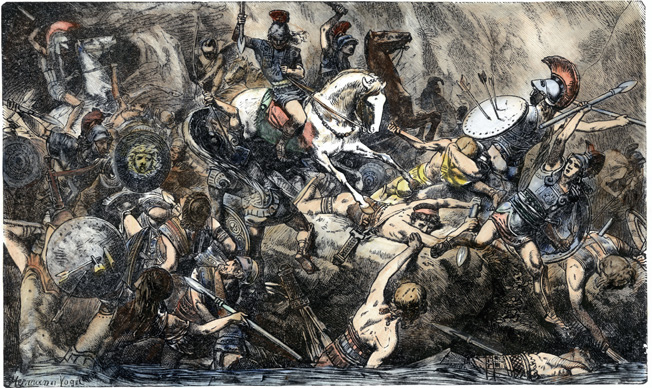
It was the Persians who were trapped. Their numbers were no advantage in the confined space and the Greek ships, which were lighter and more skillfully manoeuvred, soon began to get the upper hand. It was not an easy victory. Fighting went on all day. But in the end the Greeks won. This was in September of the year 480.
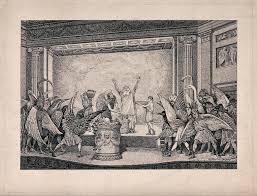
The victory at Salamis was splendid and noble men were there. Aristides, his exile shortened because of the emergency, plunged ashore at the head of the first landing party. Aeschylus, the poet, a veteran of Marathon, was probably with him. He put it all into a play, a tragedy called the Persians, in which Themistocles is not mentioned. It is Zeus whom Aeschylus thanks for the glorious victory.
Xerxes had watched the battle from a throne, which had been placed for him on a hill above the narrows. When it was over he decided to leave Greece. The remains of the fleet and part of the army moved back towards the Hellespont, where the bridges of boats were still intact. The rest of the Persian army attacked again in the following year (479) but was defeated at Plataea. Then they too retreated.
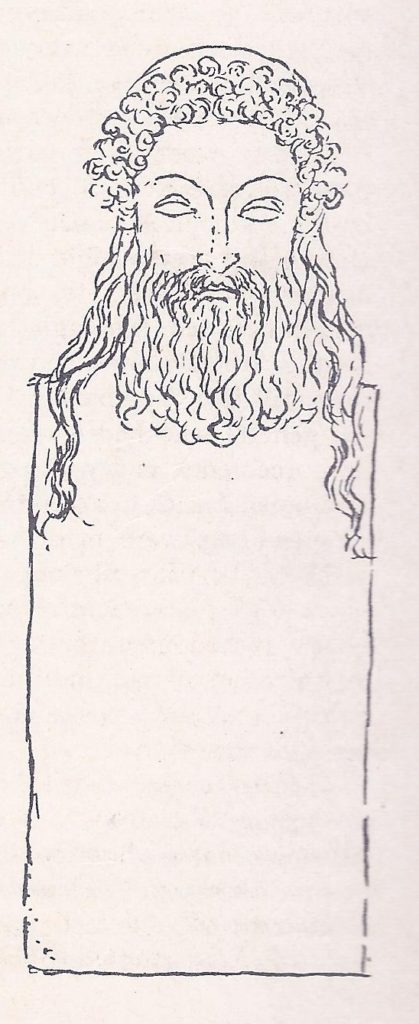
The Persians never returned to Greece, but some years later they welcomed a distinguished Greek visitor and made him extremely comfortable. He was Themistocles. Like Hippias the ex-tyrant, he had made his homeland too hot for him and wanted breathing space to plan a comeback. In time he lost heart and took poison — an undignified death for the victor of Salamis. So Athens was set on the way to power by a talented traitor.