Hellenes Greek History and Mythology
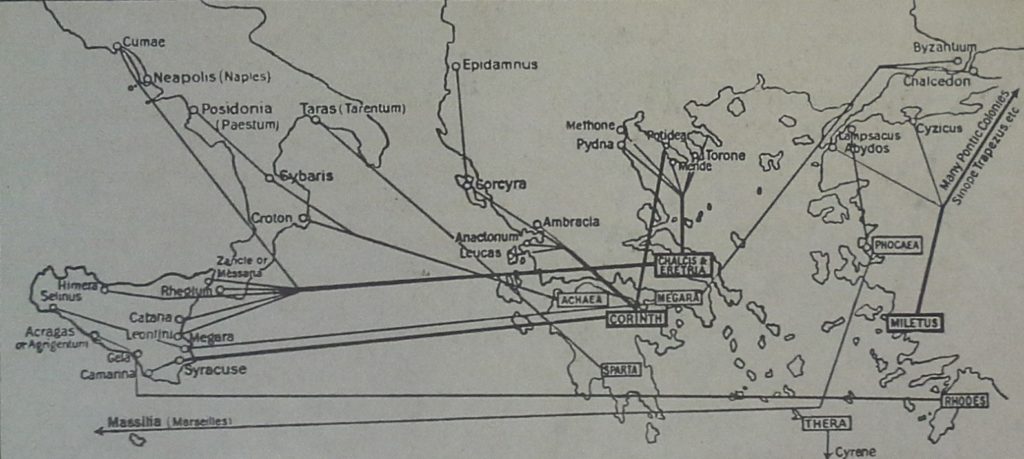
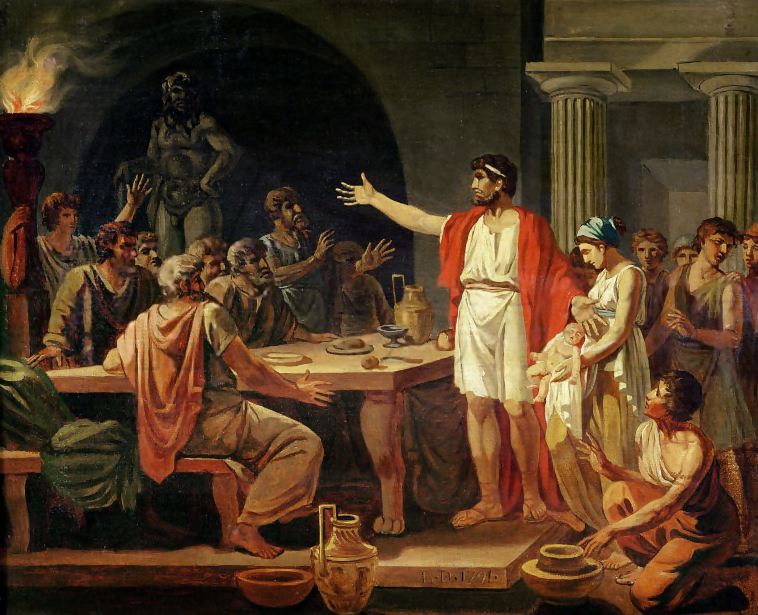

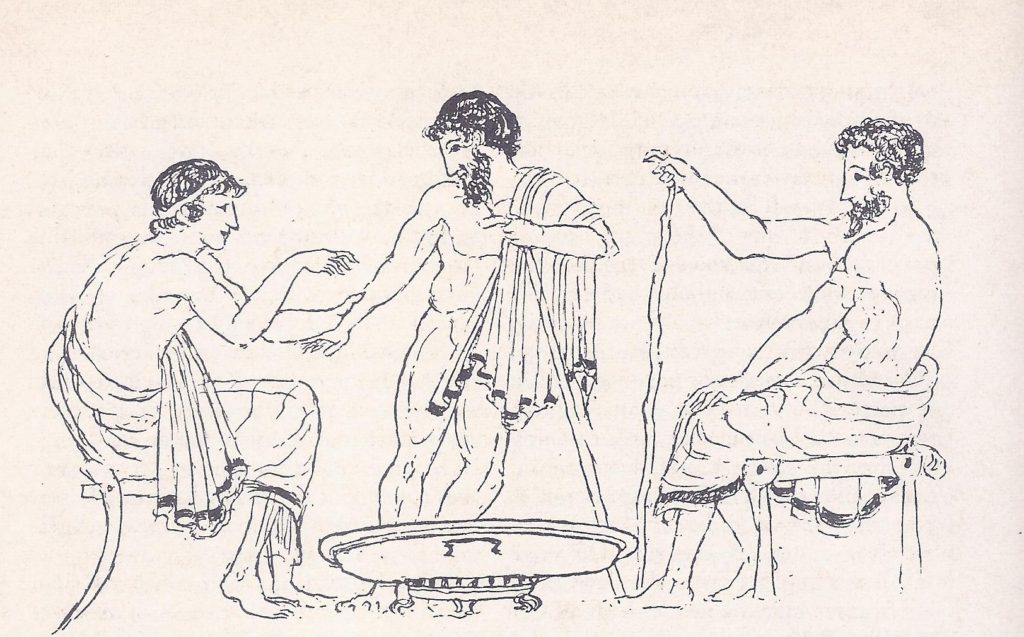
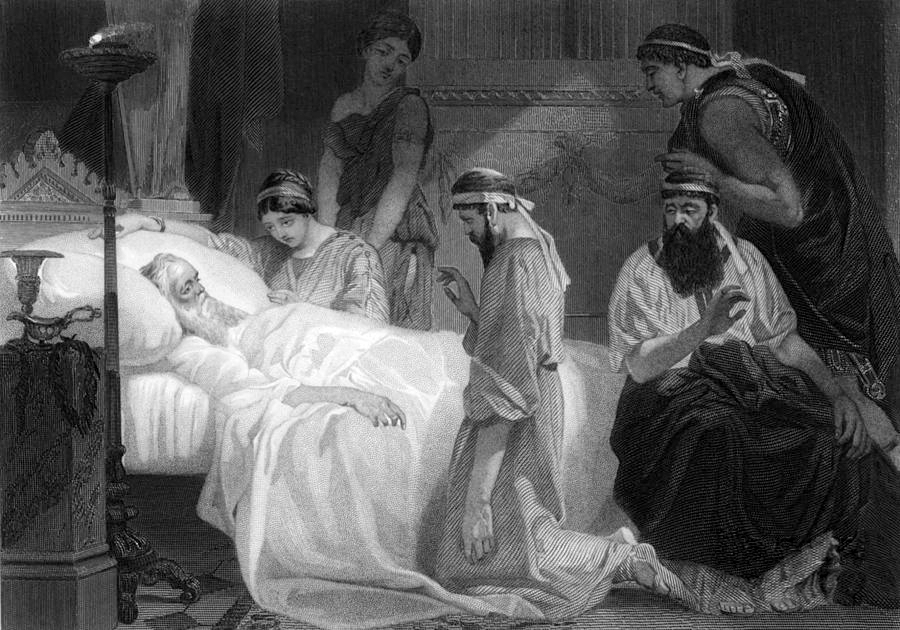
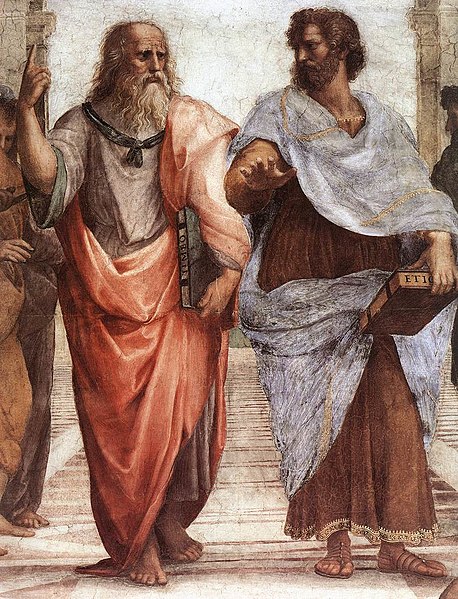
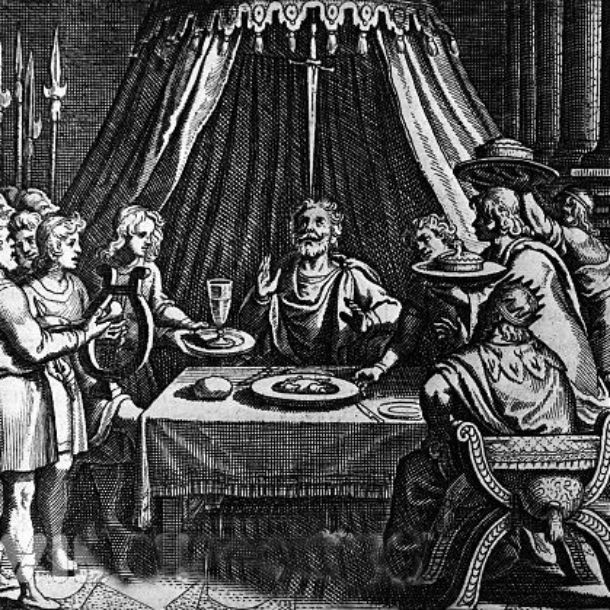

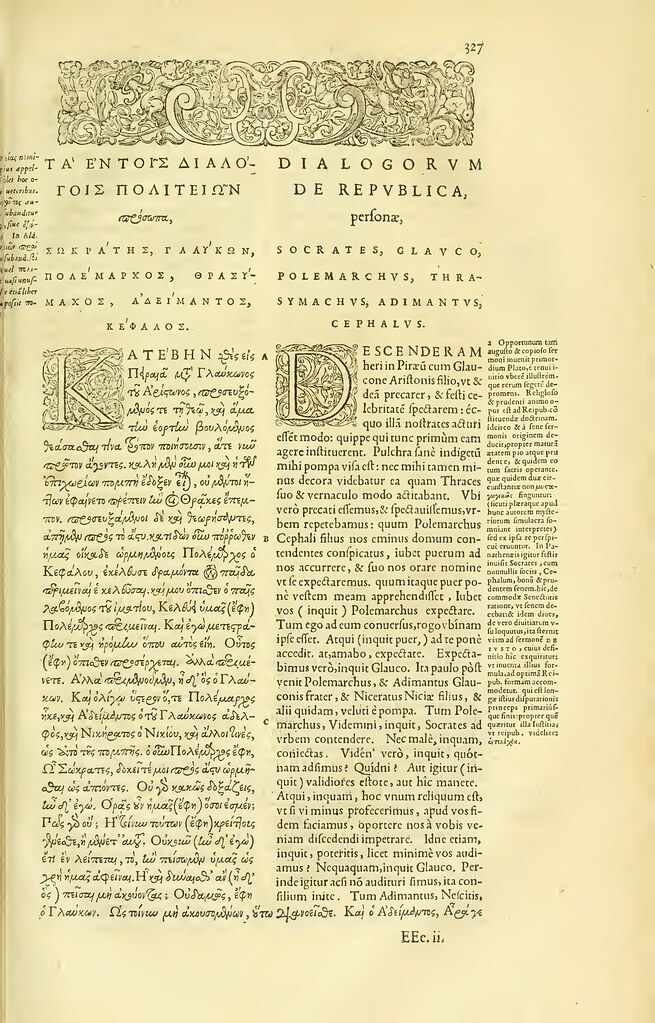
Dionysius enjoyed culture as well as cruelty. He wrote poems, which were recited at the Olympic Games and one of many tragedies which he entered in the Athenian competitions took first prize. He invited famous authors and philosophers to his court, among them Plato (429-347), the writer from whose Dialogues much of our knowledge of Socrates comes. Plato had been away from Athens since the death of his beloved master and had come to Sicily in the course of travels which had included a visit to Egypt. He soon quarrelled with the tyrant Dionysius and left his court, but he paid two further visits to Syracuse after Dionysius the Younger had succeeded his father (367). By this time Plato had settled in Athens again and his Academy had become famous. (The word ‘Academy’ in English means a school, but its Greek original was more nearly the equivalent of a university.) He had written his greatest work, the Republic, which consists of a long discussion on what is the best way to educate a people and govern them. His solution was anything but democratic. He favoured rule by a group of immensely well-educated despots — ‘philosopher kings’ — and it was hoped that Dionysius the Younger might become a practical example. The son, however, proved not to be a better pupil than the father. Plato went back to the Academy and Syracuse, though now the most glorious city of the Greek world, never became the model of good government of which the philosophers had dreamed.
The problem of how best to educate people and govern them remains with us still. The importance of Plato is that he was the first writer to discuss it thoroughly. The fact that it is easy to pick out from the Republic ideas which now sound laughable does not matter; nor does the fact that Plato did not make a success of putting his ideals into practice. The Republic is not a book which is only for philosophers, or only for kings. Sooner or later every educated man or woman must read it.