The Olympic Games

This entry is part 10 of 49 in the series Hellenes Greek History and Mythology

Hellenes Greek History and Mythology
hellenes

Who were the Hellenes?

Minotaur

Theseus and the Minotaur

minos

The Palace of Minos

troy

Helen of Troy

hector

The Wooden Horse

Trojan

Was there a Trojan War?

migration

The Migration

city-states

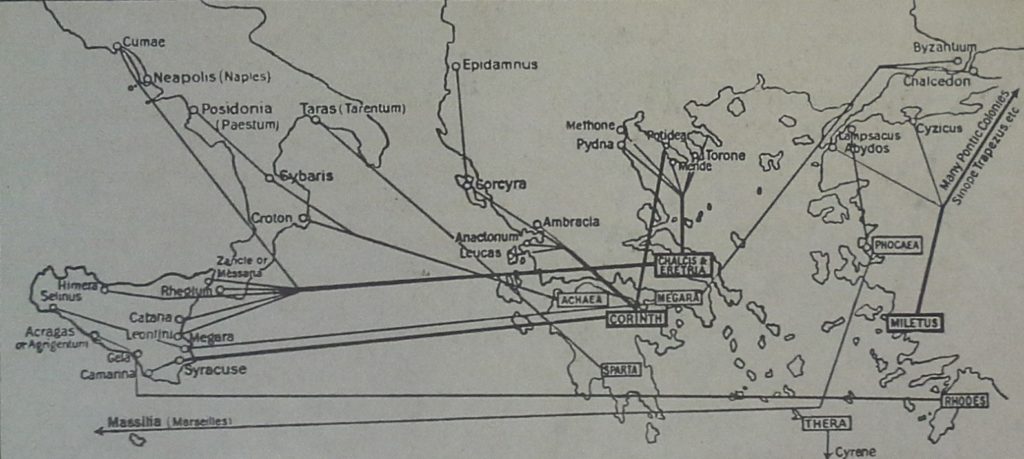
City-States and Colonies

delphic oracle

The Delphic Oracle

olympic games

The Olympic Games

sparta

Sparta

A Spartan grows Up

athens

Athens

Solon

tyrant

A Tyrant Who Was Not Tyrannical

Athenian Democracy

ionian greeks

The Ionian Greeks

marathon

Marathon

athenian

The Rivals

xerxes

The Second Persian Invasion

Thermopylae

Persian Soldier

“Wooden Walls” and Salamis

aeschylus

Aeschylus

theseus

Theseus Comes Home

delos

The Confederacy of Delos

The Athenian Empire

herodotus

Herodotus, The Father of History

parthenon today

The Parthenon

Thucydides

Thucydides

Athens fight Sparta

Why Did Athens Fight Sparta

The Peloponnesian War

The Peloponnesian War Begins

athenians and death

Athenian Death

Hippocrates and Disease

pericles dies plague

Pericles Dies

Cleon Tanner

Cleon the Tanner

peace

Peace

Socrates

Socrates

Alcibiades

Alcibiades

Hermes, Sicily

Sicily

Hecuba, Queen of Troy

Hecuba, Queen of Troy

Decelea

Decelea, a Thorn in the Flesh

oligarchy

Oligarchy and Athens in Defeat

socrates' death

Socrates’ Death

xenopon

Xenophon

damocles' sword

Damocles’ Sword – The Fourth Century

Plato

Plato

Alexander of Macedon

Alexander of Macedon

Old Europe Crumbles (451 – 520 A.D.)

Hellenistic Age – Alexandria and Byzantium

Hellenistic Age – Alexandria and Byzantium

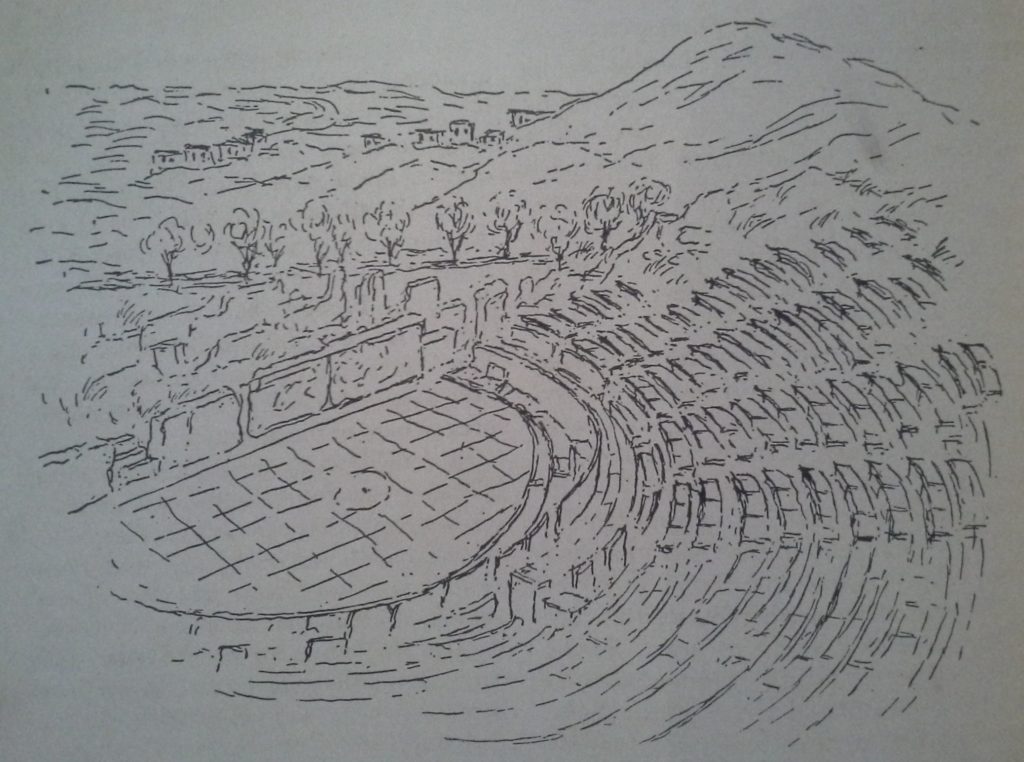
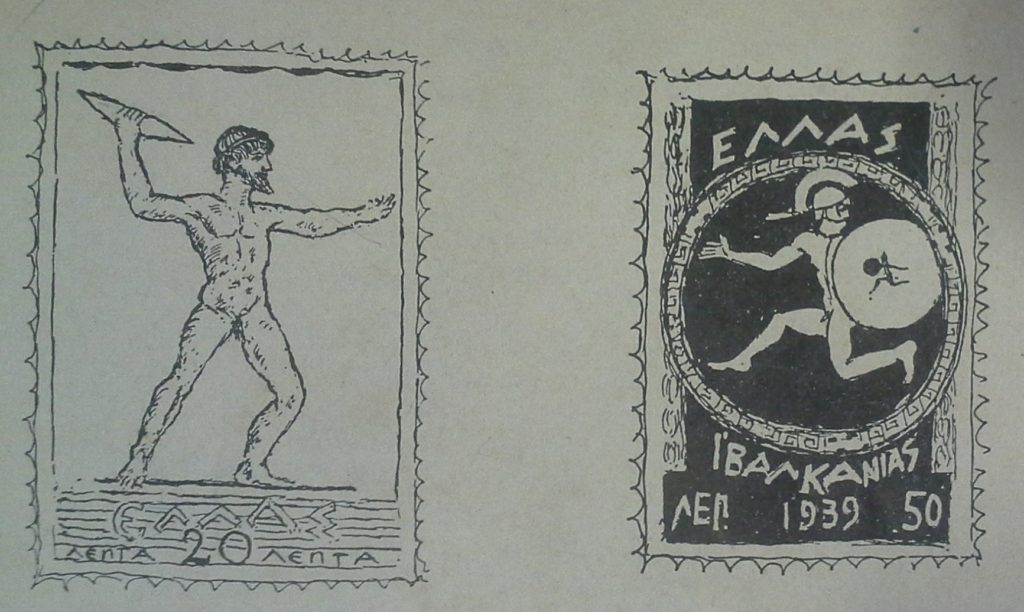
At Olympia every four years Olympic games were held in which any Greek was entitled to take part. It is not known when the first Olympic games were held, but they were said to have been revived in the year 776 B.C. and the Greeks used that year from which to reckon dates. The period of four years between each celebration of the olympic games was called an Olympiad. When therefore a Greek writer says something happened in the year of the . . . Olympiad we can calculate the year according to our system and put it down as . . . B.C. From now onwards Greek history becomes more exact.

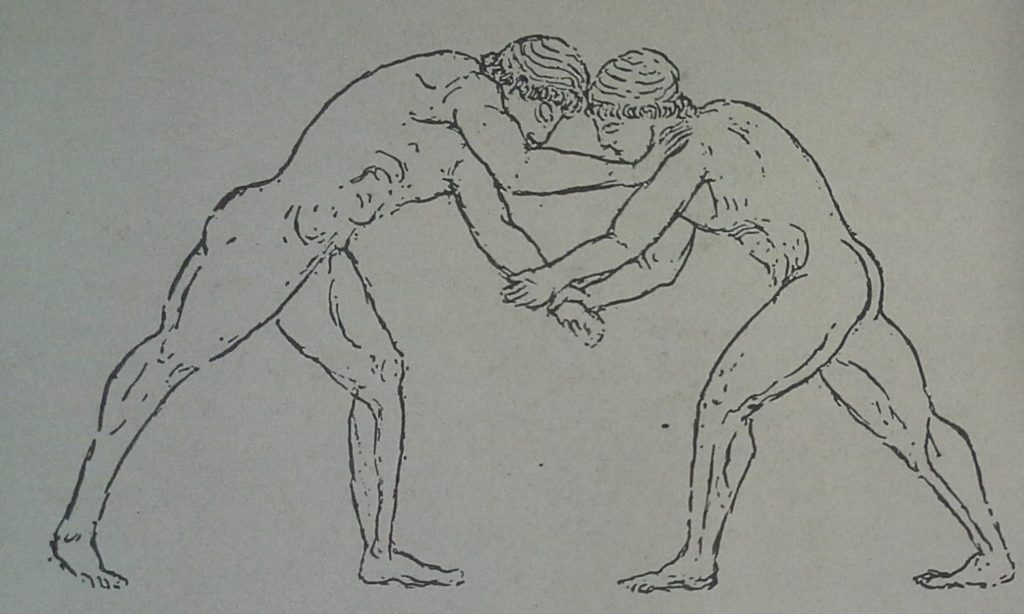
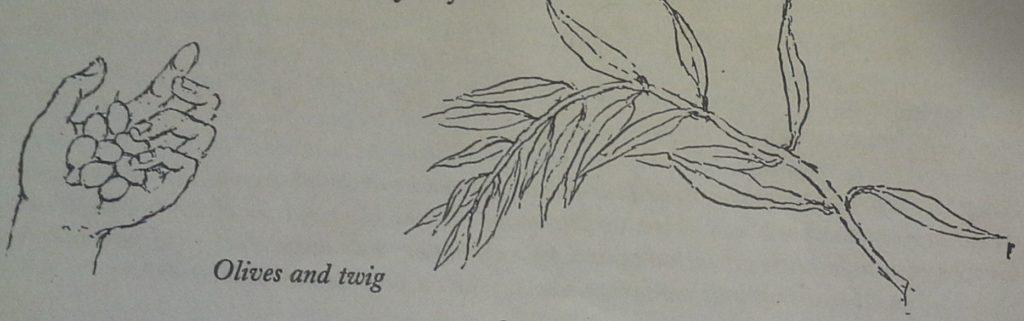
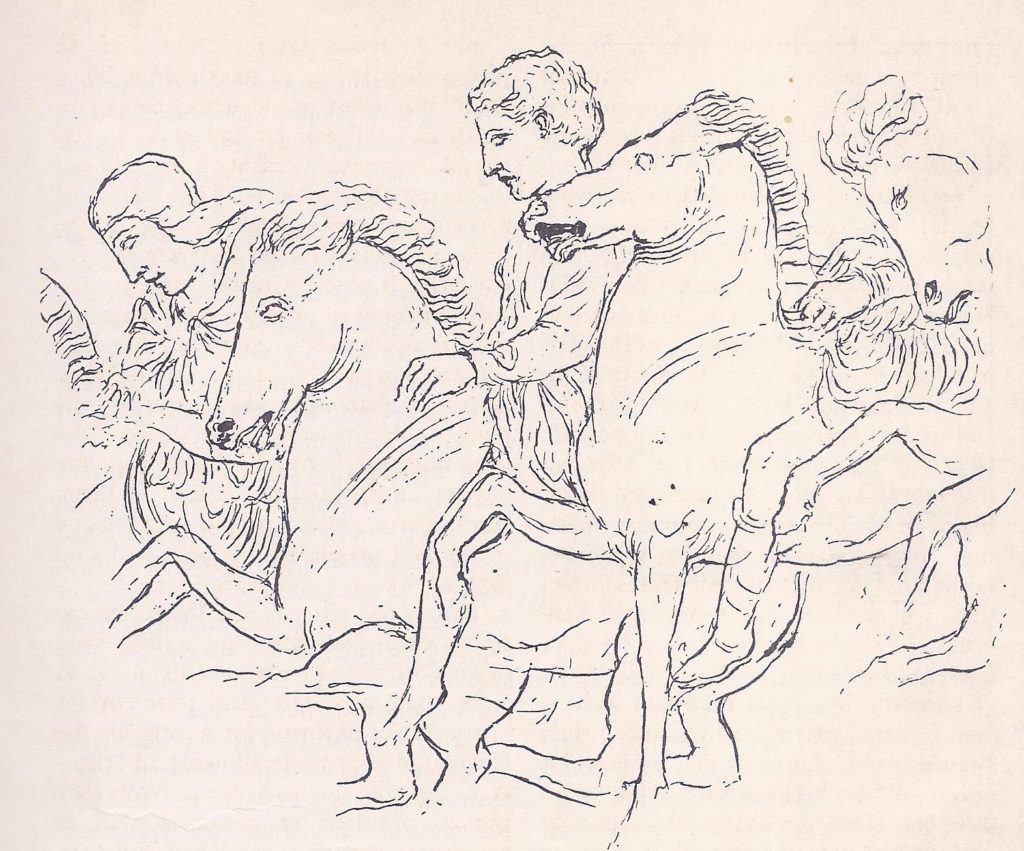
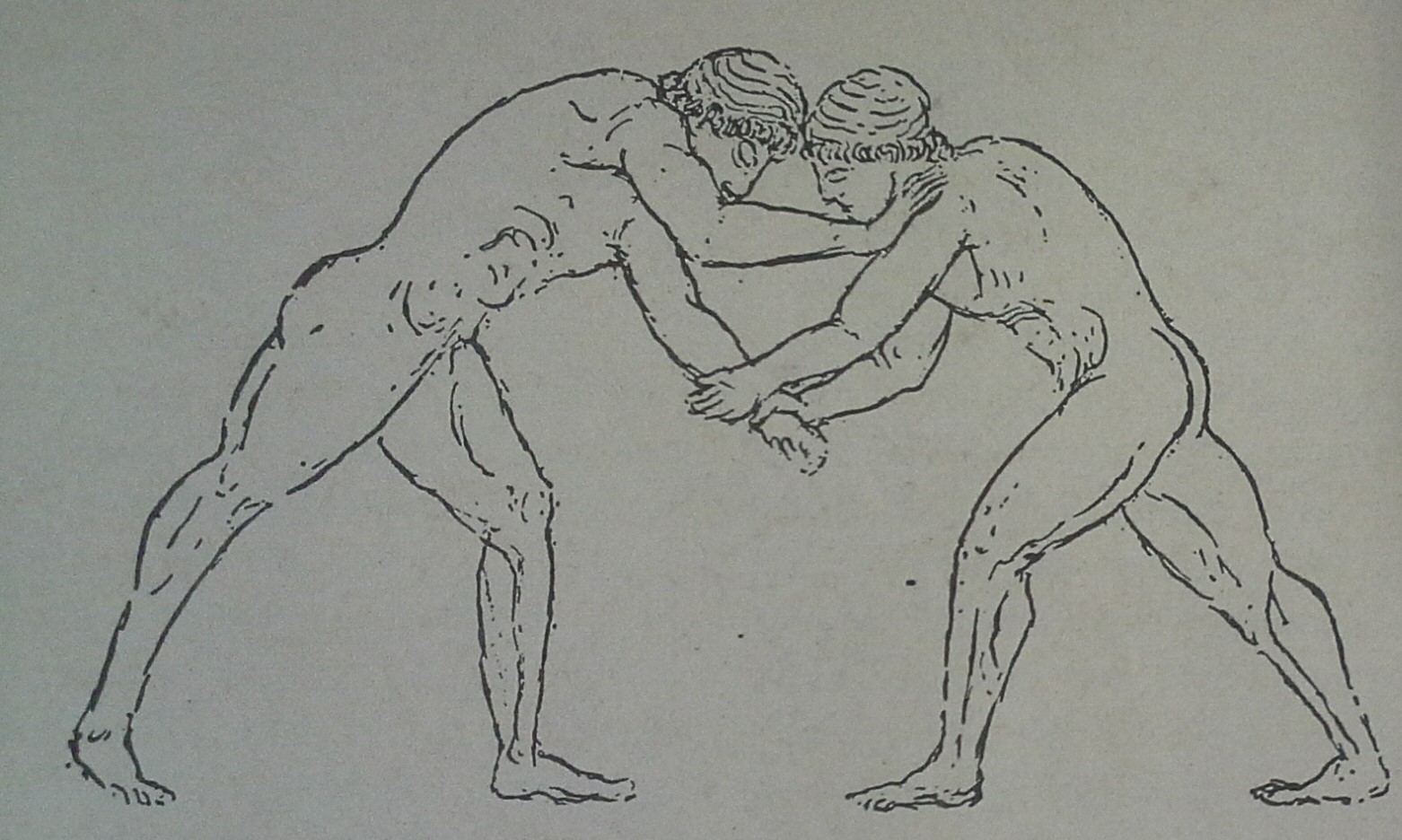
Like Delphi, Olympia became a place where men from any part of the Greek world might meet. For a month every four years the incessant quarrels of the city-states were stopped and during five days of this truce period the olympic games were held. There was running, long jump, boxing. wrestling, throwing the discus or javelin, chariot racing and horse racing (all individual events — no team games) and no Marathon. The only prize at Olympia was a crown of wild olive, but when victorious, competitors reached home they were given a variety of honours and rewards. At Athens they received a large sum of money and the right to free dinners for life (cf. p. 60). At Sparta they were assigned the post of honour in battle.

Hellenes Greek History and Mythology
The Delphic Oracle Sparta