Hellenes Greek History and Mythology

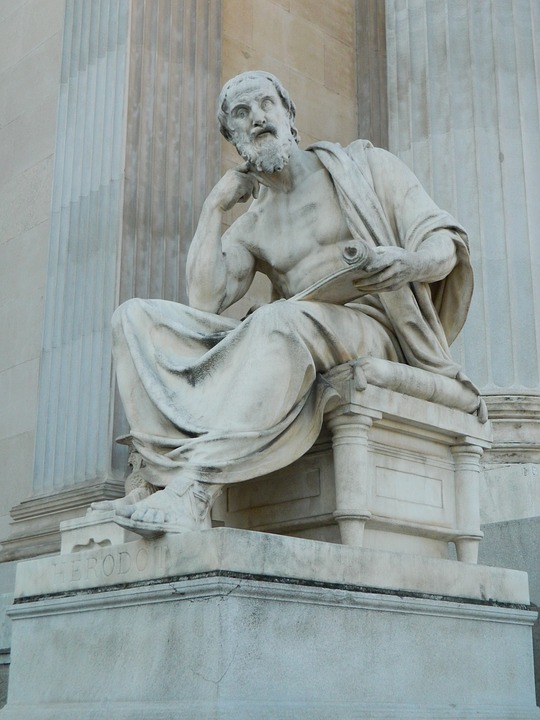
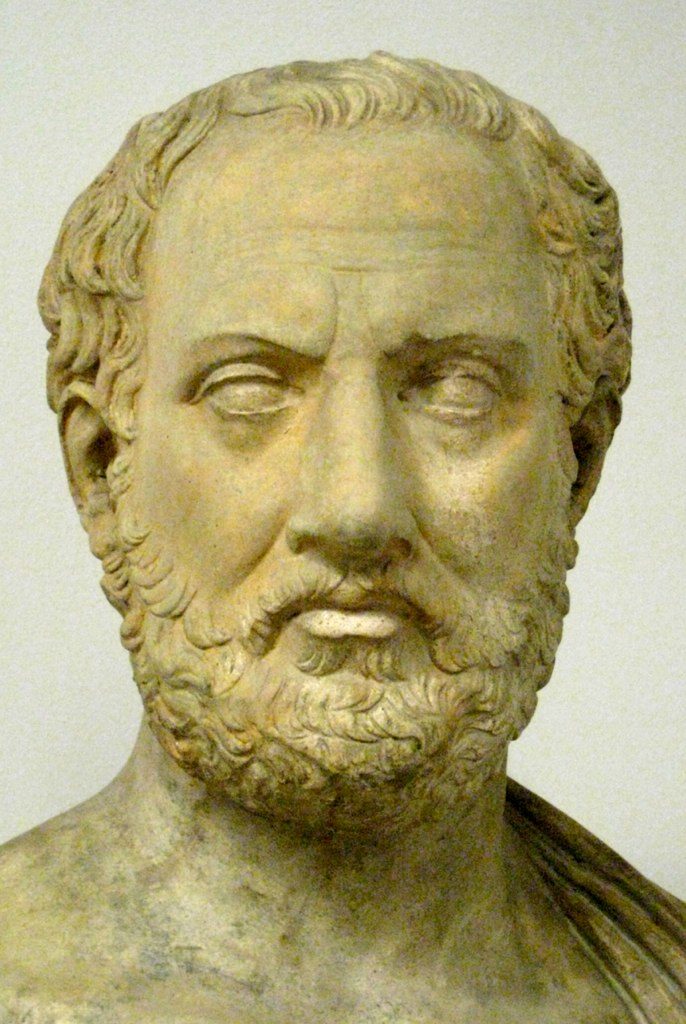
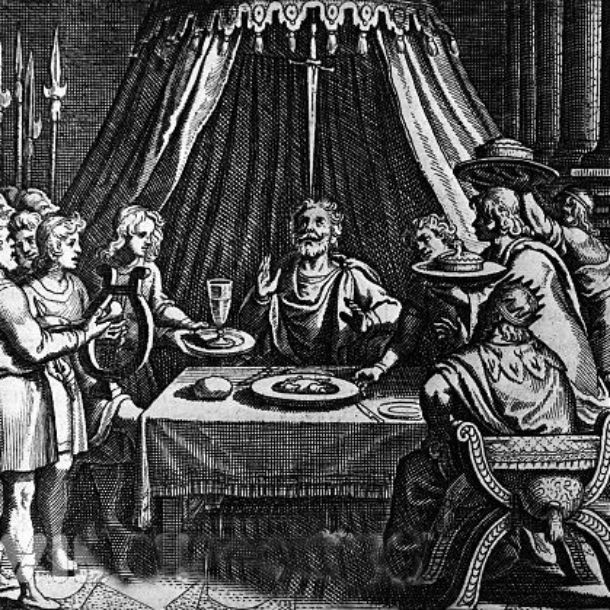

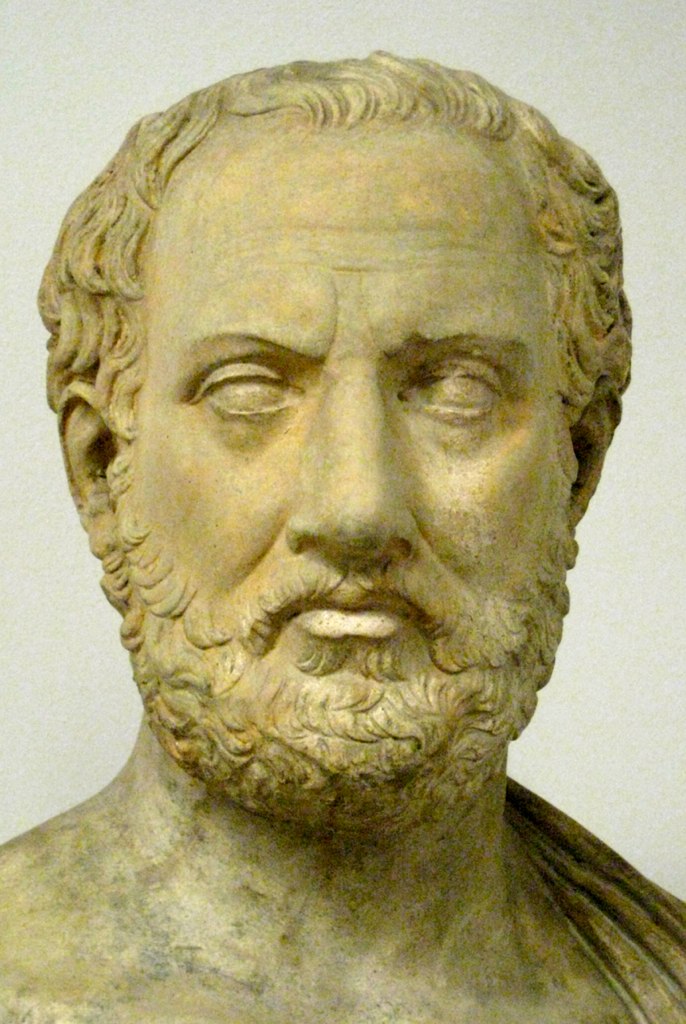
When Herodotus read his history in public, it is said that a youth called Thucydides was so moved that he burst into tears. Herodotus congratulated the young man’s father upon having so appreciative a son.
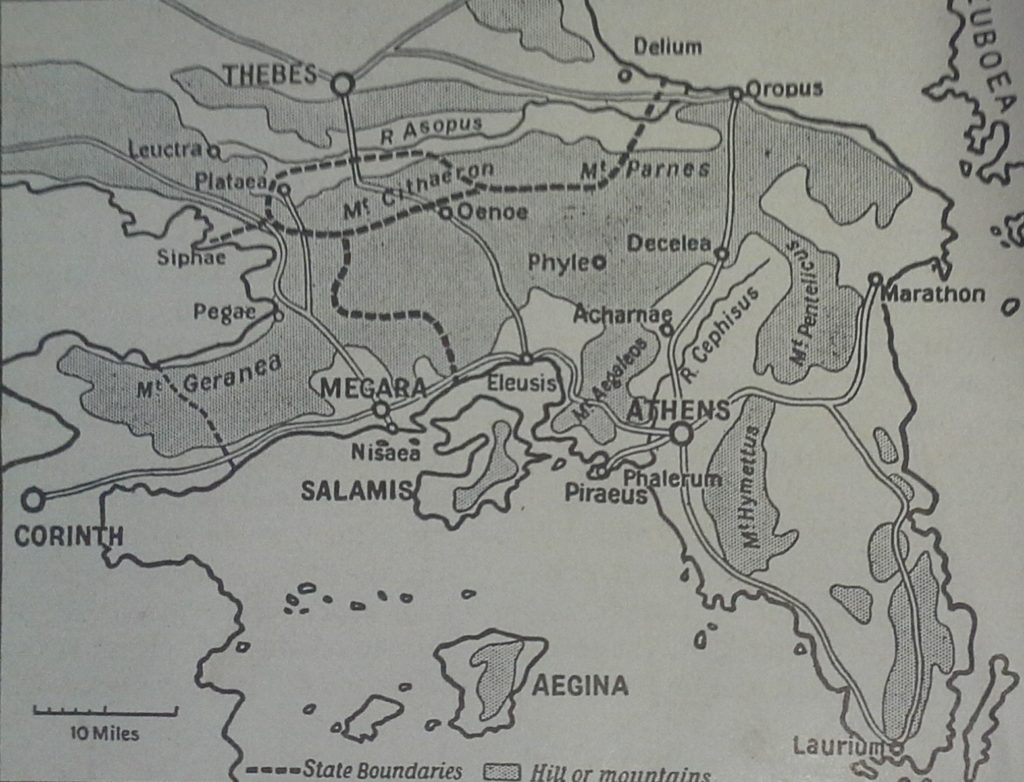
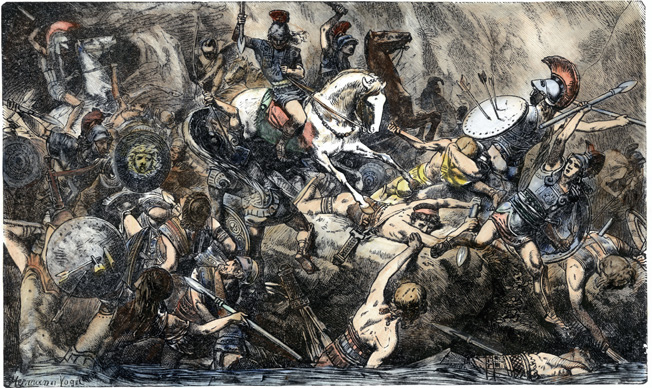
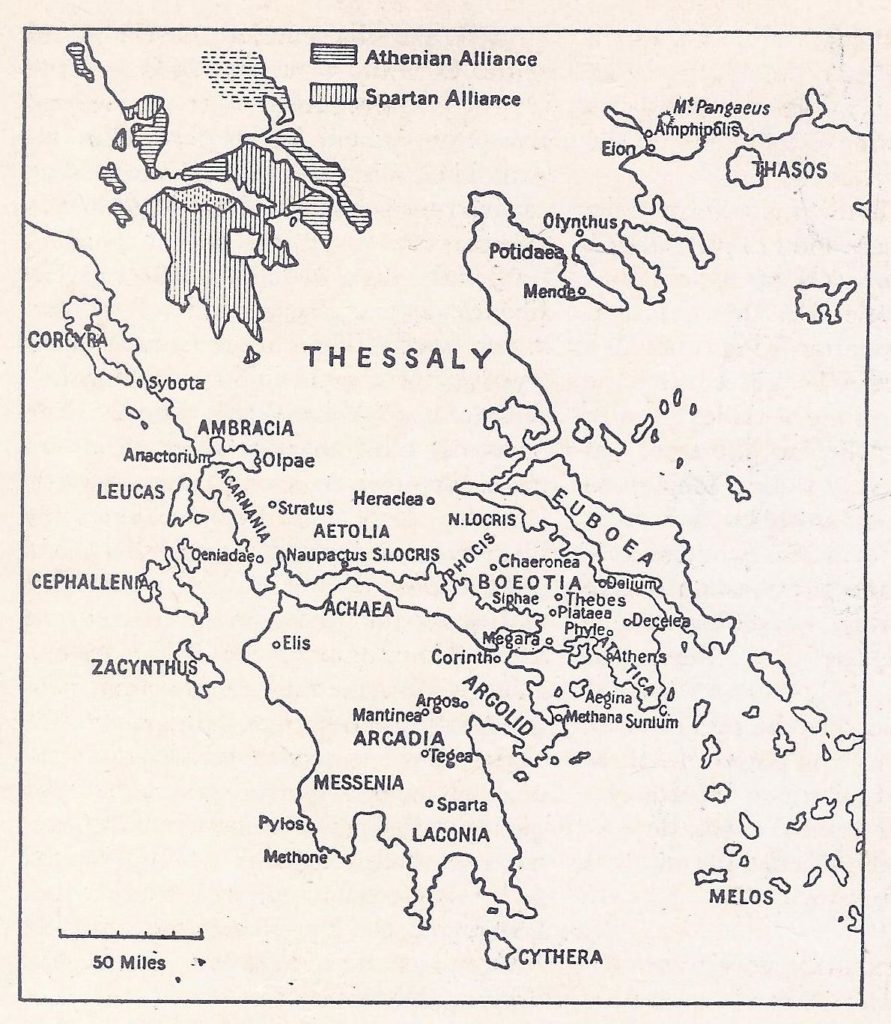
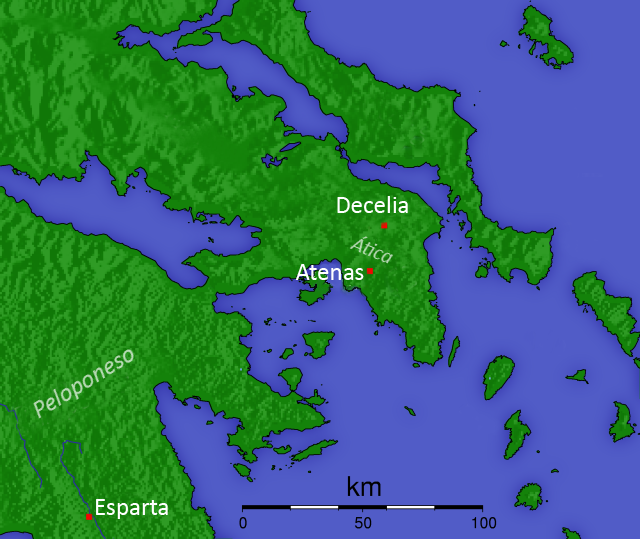
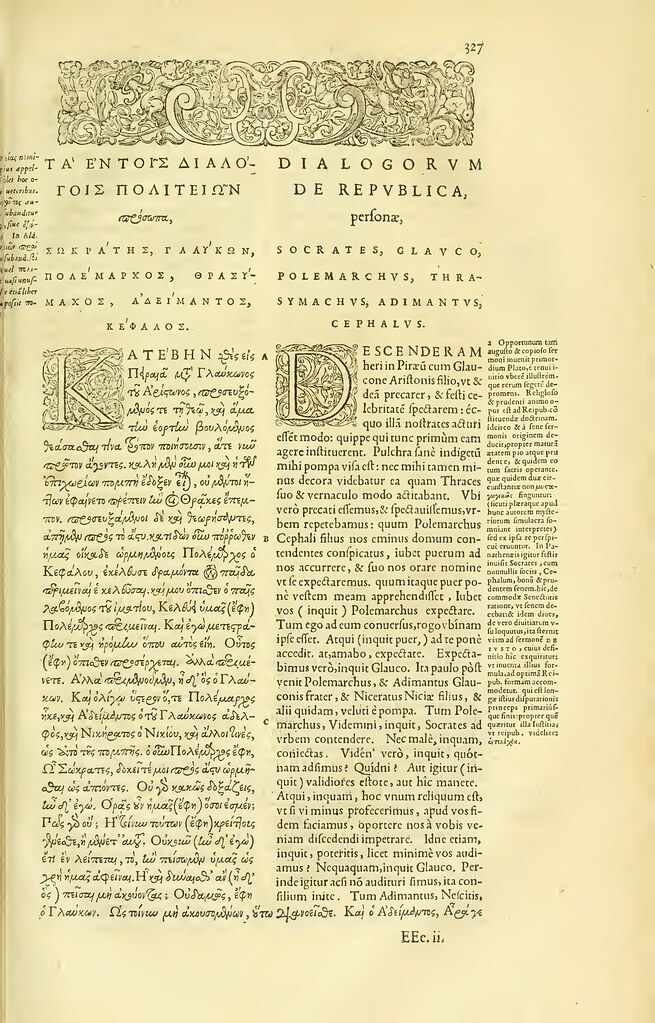
Thucydides grew to be a rich man. He owned gold mines in Thrace. During the Peloponnesian War he commanded a squadron of Athenian ships but, having failed to accomplish the mission assigned to him, he went into exile (424). He used his enforced leisure to work on a history of the war which he had planned. He only reached 411 (the War went on till 404), but he produced a remarkable work. It is less chattv than that of Herodotus because the author’s aim was different. He was determined to write what we would now call scientific history. He took care about dates, grouping each year’s events together. He checked facts and weighed up one account of an event against another. He travelled in order to collect information and during his exile had access to both sides in the struggle.
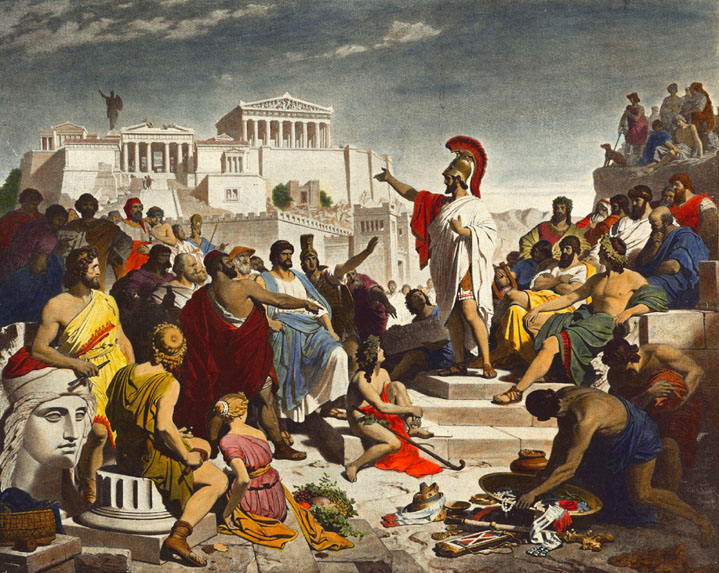
On the other hand, when he came to the reporting of speeches, Thuycides made a point of not being scientific. The speeches he put into the mouths of many of his characters were far more than a digest of what had been said. They contained the historian’s own views on why men had acted as they did and what were the rights and wrongs of the question. These views were often wise.
Thus, though the Peloponnesian War was small in comparison with many of the wars of ancient history, we know a great deal about it. Further, because of the quality of Thucydides’s writing, we can feel a great deal about it. Though he was not himself a tragic poet, Thucydides well understood the tragedian’s business. His readers look on appalled as Athens sails towards her doom.