Hellenes Greek History and Mythology

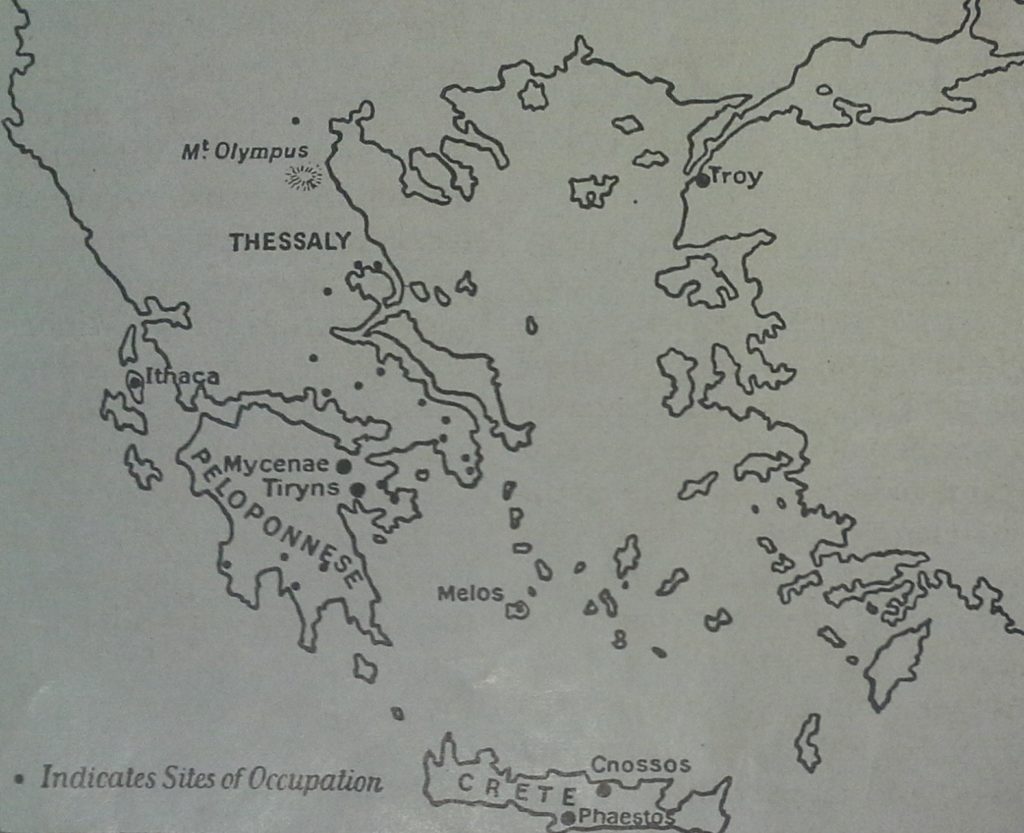
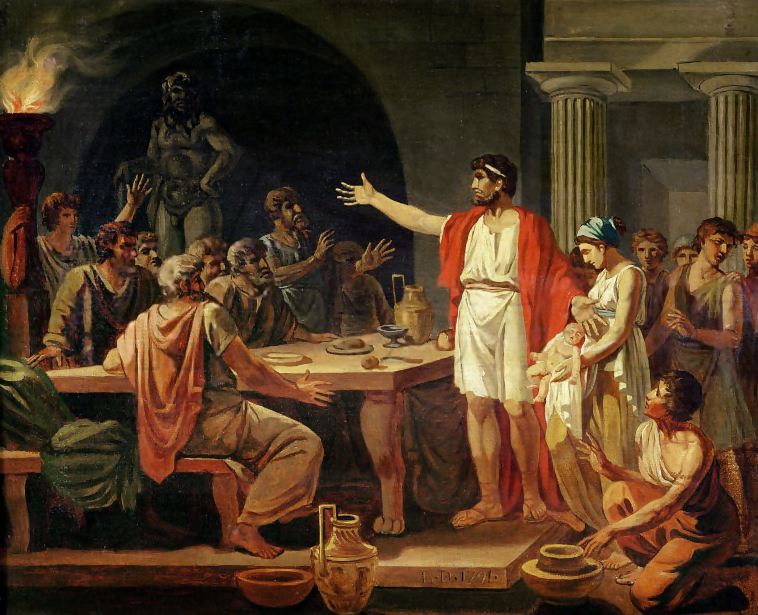
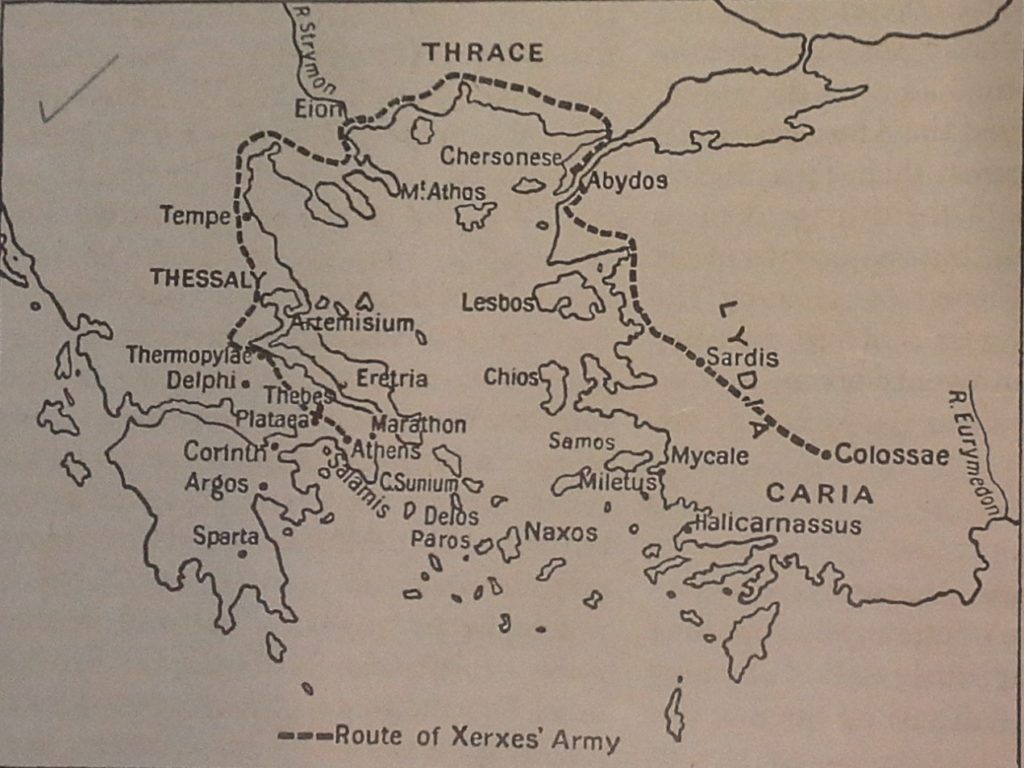
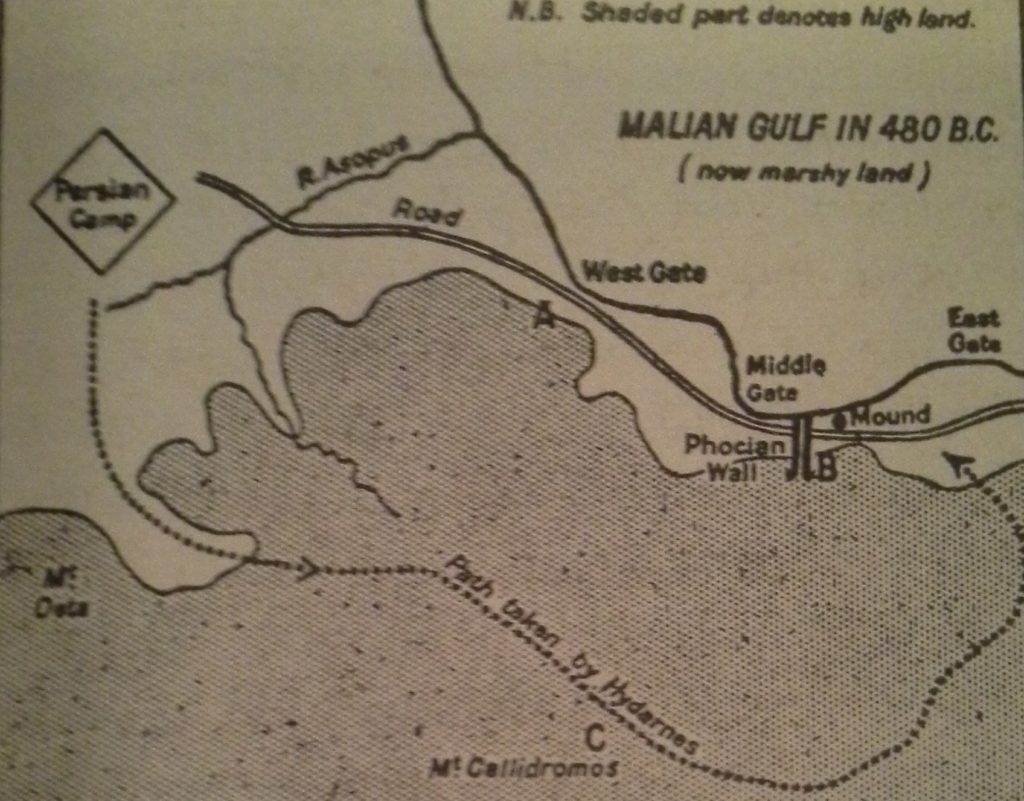
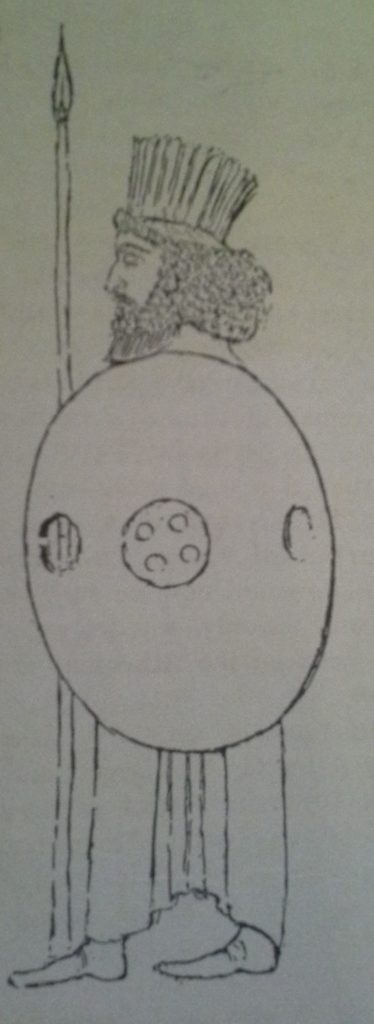

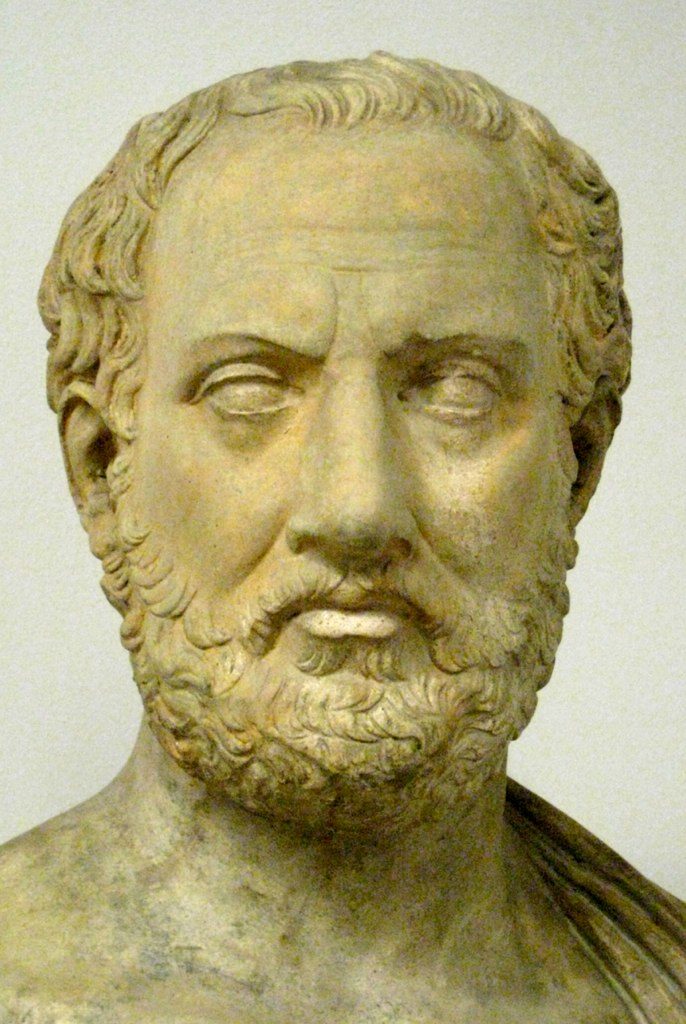
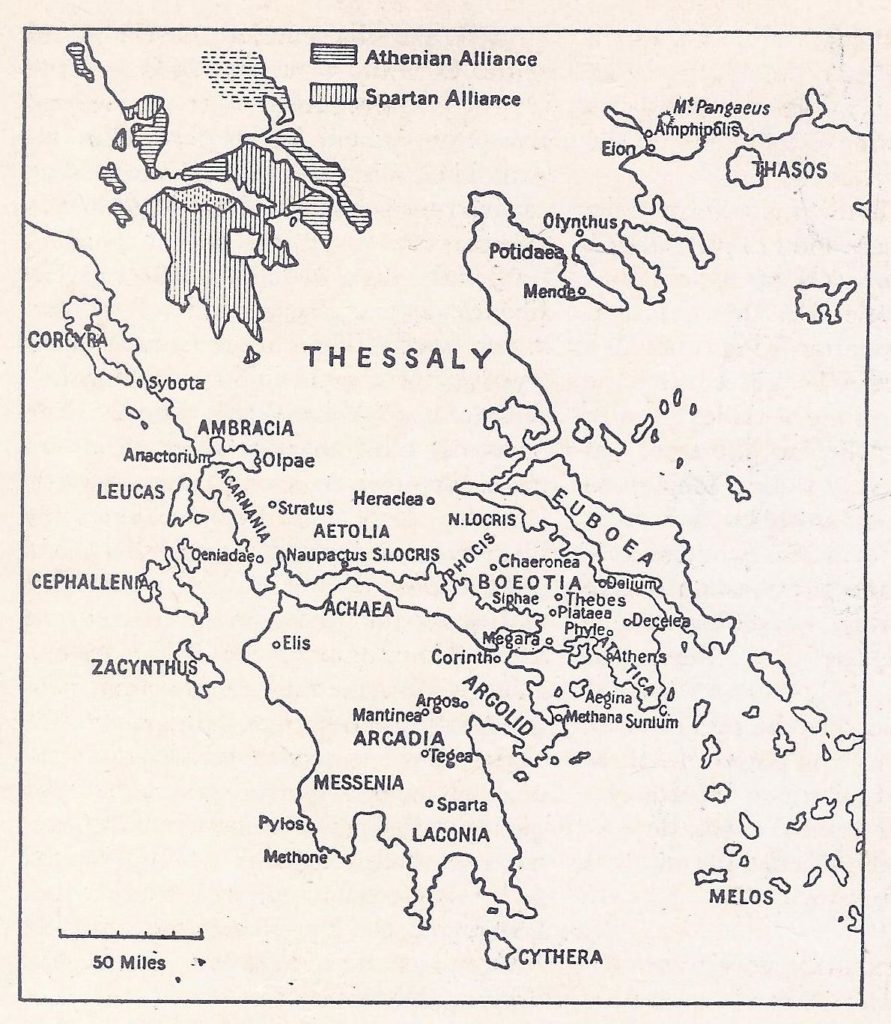
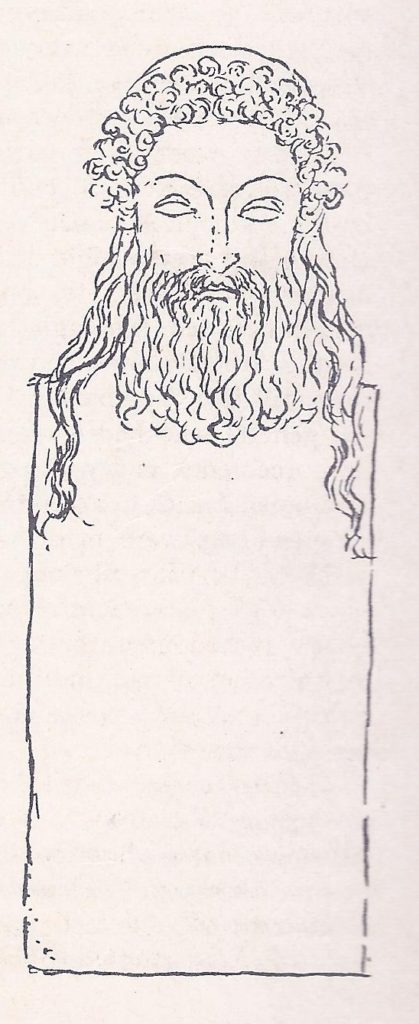

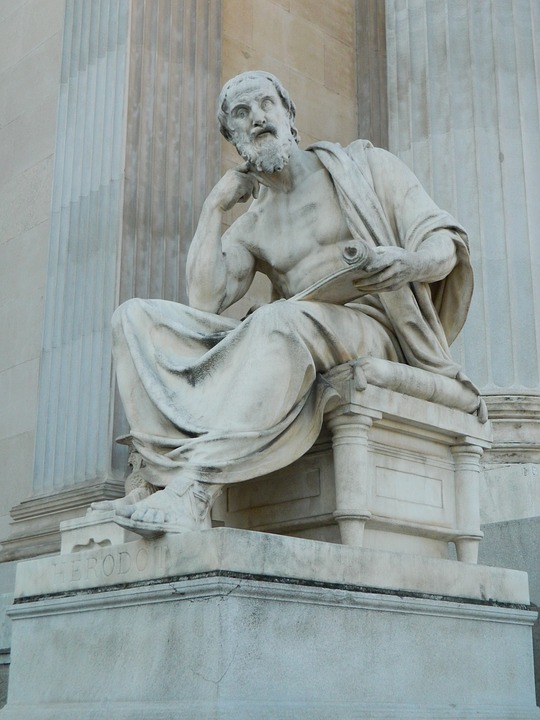
In 445, if tradition can be trusted, the Athenians must have felt more self-confident than ever; for it was then that Herodotus came to Athens, read aloud his history of the Persian wars and was given a reward. That the Athenians should have listened with interest as well as gratification is not surprising. The historian had done full justice to their distinguished part in the Persian Wars and in addition his work (9 books in all) contained all sorts of interesting details about countries like Egypt and Scythia (south Russia) which were only remotely connected with the war. Herodotus had travelled widely and produced a combined guide book and history covering most of the known world. No one had ever done anything of this sort before.
“My duty is to report all that is said”, wrote Herodotus, “but I am not obliged to believe it all alike.” There is no doubt that people told him some odd stories, but the bulk of Herodotus is reliable. His History ends in the year 478. We have no detailed continuous account of the period 478-432.
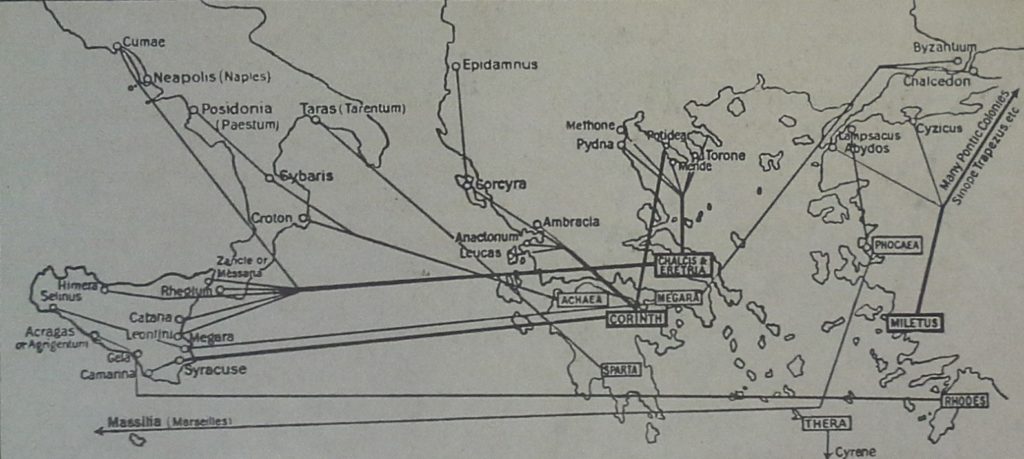
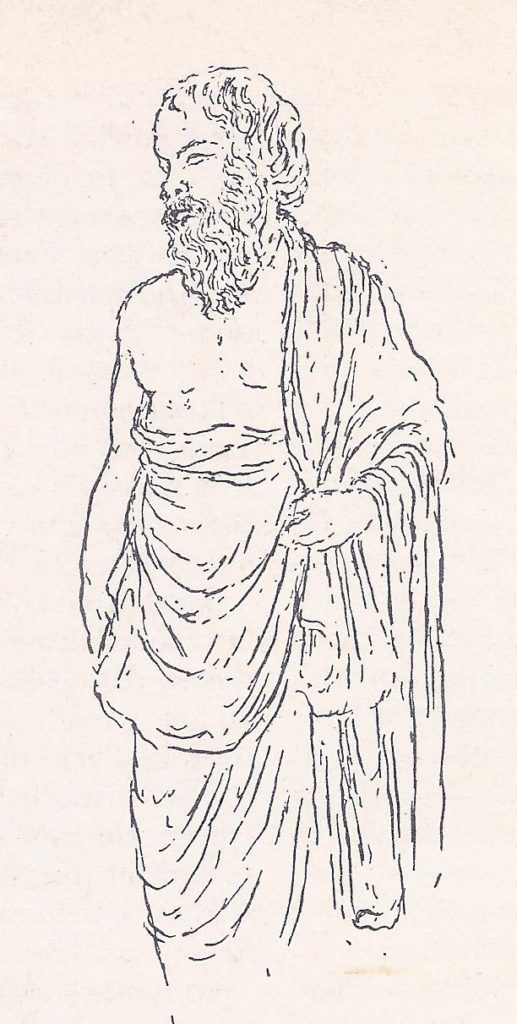
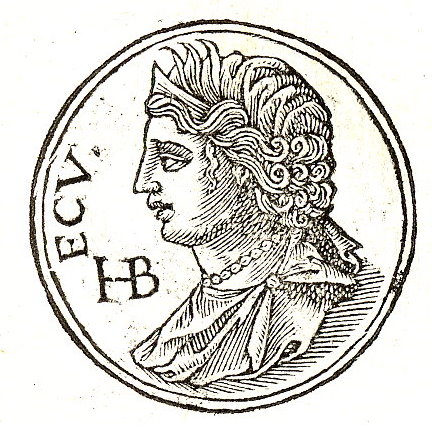
In 443 the Athenians founded a colony at Thurii in southern Italy and there Herodotus ended his days. Just when he went there is uncertain. We do not know whether he was still at Athens in 441 when a new dramatist, Euripides, won his first success, or in 440 when his friend Sophocles won a prize for his play Antigone (the name of the heroine).
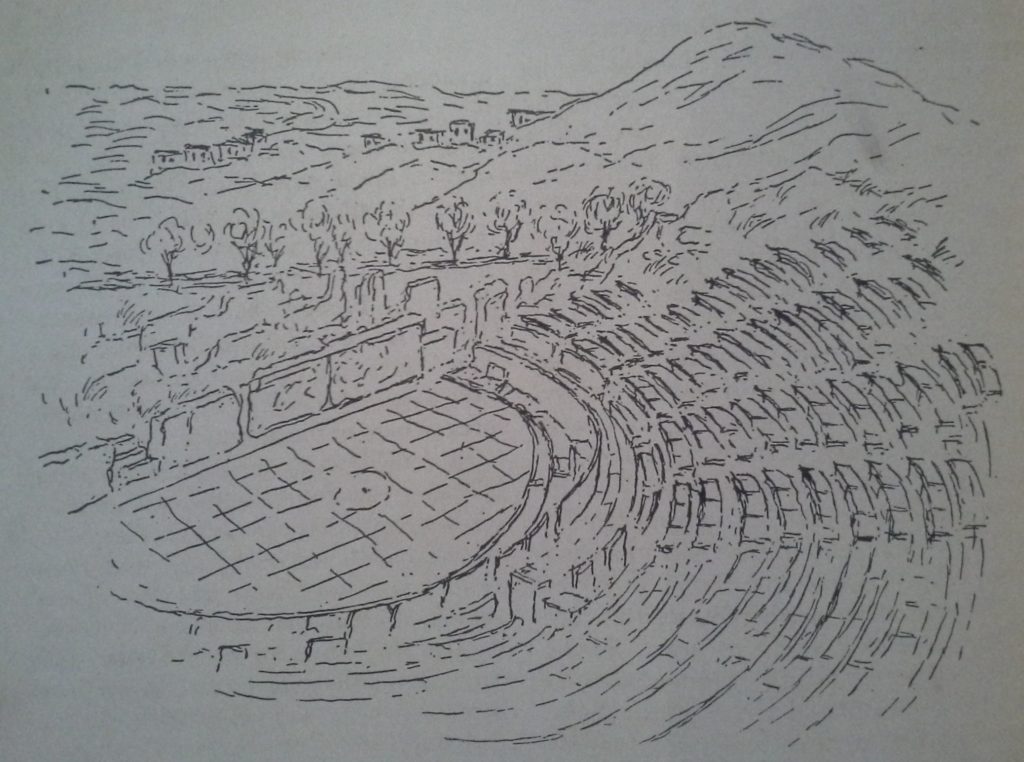
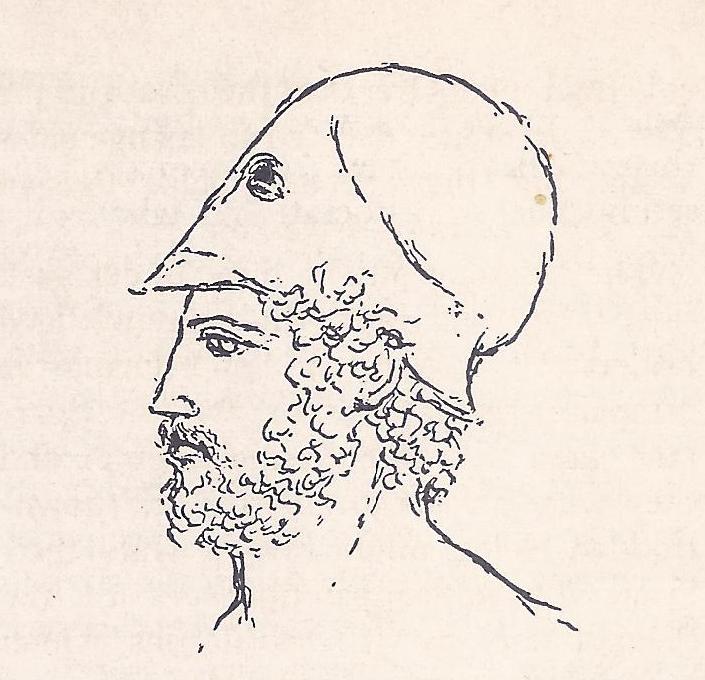
The Antigone is a tender play, which sets the audience worrying about how difficult it is to do one’s duty — loyalty to a friend may mean disloyalty to one’s country. This is a very real problem, though one best not pondered by soldiers. Their first duty must be unquestioning obedience to orders. Yet on the strength of this play the Athenians made Sophocles a general and off he went, serving under Pericles, to help to bring the recalcitrant island of Samos to heel (439).
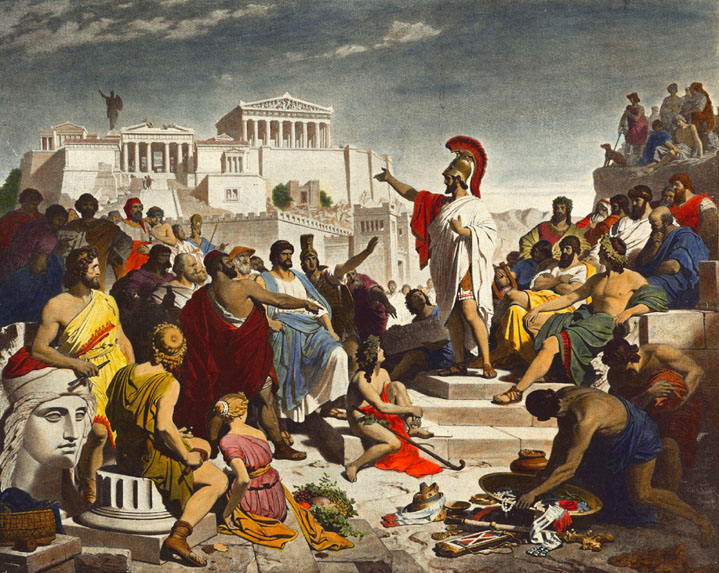
All this would not have surprised Herodotus as it surprises us. Still, it would be interesting to have his account of Athens at this time, when she had reached the height of her power and glory.