Hellenes Greek History and Mythology


Oligarchy — “rule by the few” was a form of government which Athens had not experienced since the 6th century, though it was common in many of the Greek states.
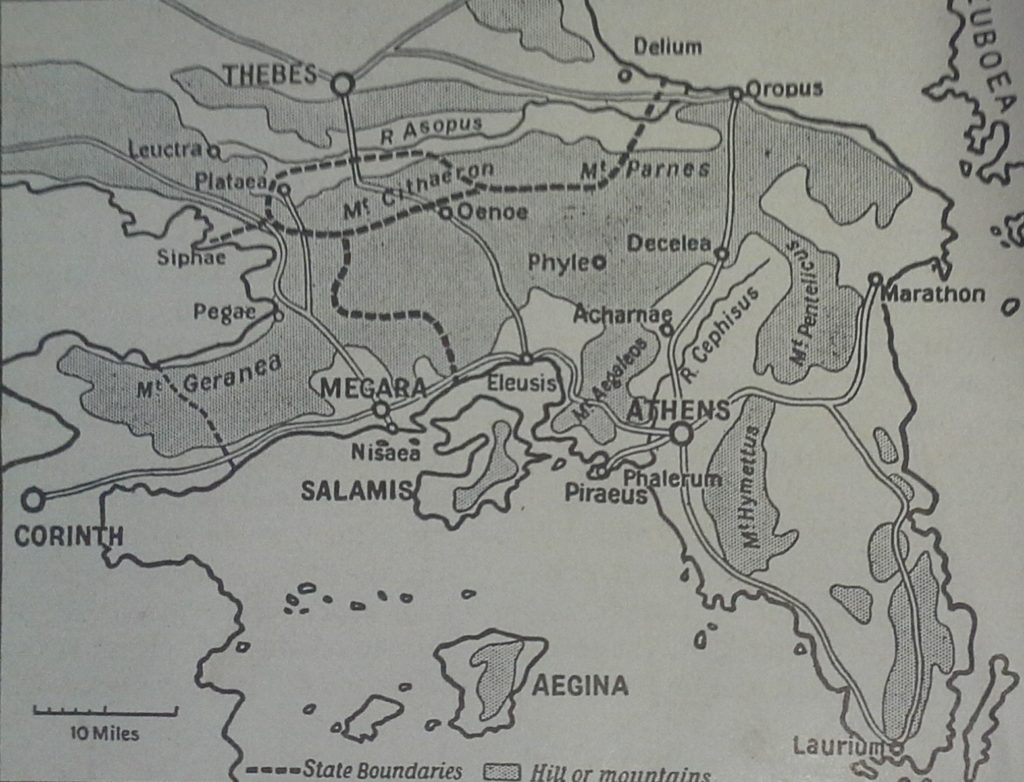
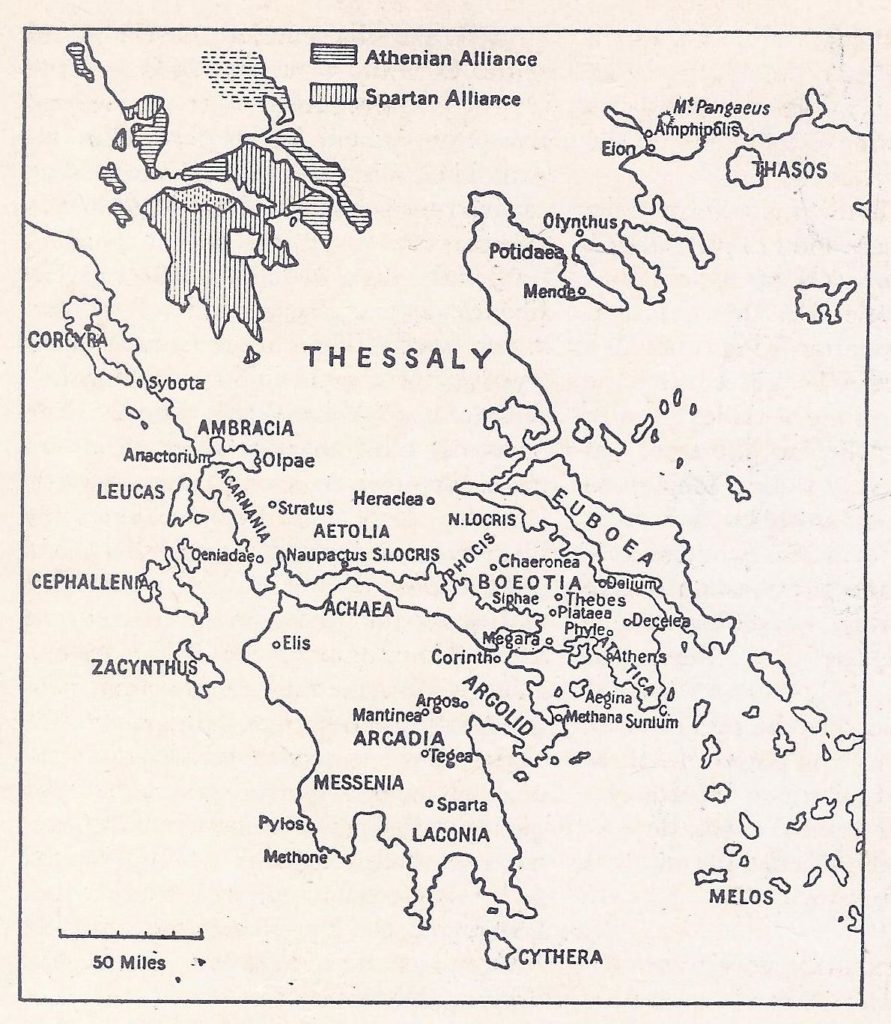
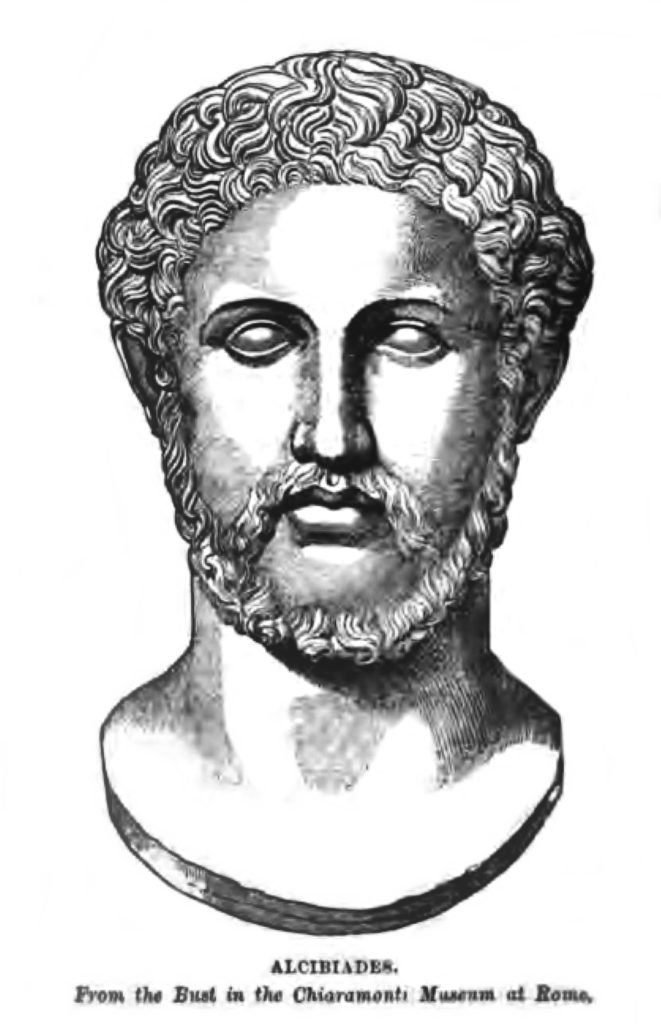
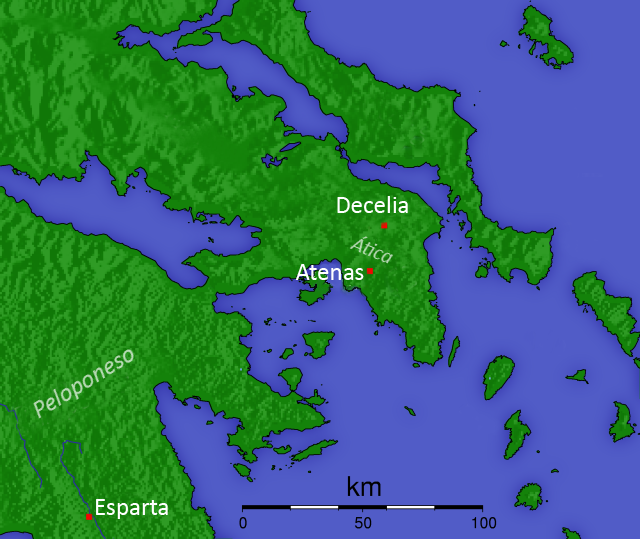
This closing stage was surprisingly long. Alcibiades, having made himself unpopular at Sparta, was allowed once more to take command of the Athenian fleet, which he did with some success. On the home front the Spartans were not in a hurry. For a people of such high military reputation they were astonishingly cautious. Year after year they were content to operate from Decelea. They never tried to capture Athens by assault. In this they were wise. The thorn festering in the flesh would infect the whole body in time.
The Sicilian disaster roused so much distrust in democracy at Athens that it was possible for an oligarch); to seize power (411).
In referring to earlier times the word “aristocracy” — “rule by the best”, i.e. the old-established wealthy families, is sometimes used, but the form of government described is the same as oligarchy-rule by a small wealthy group. The change of word simply indicates that, as time went on, the old families were not the only wealthy ones.
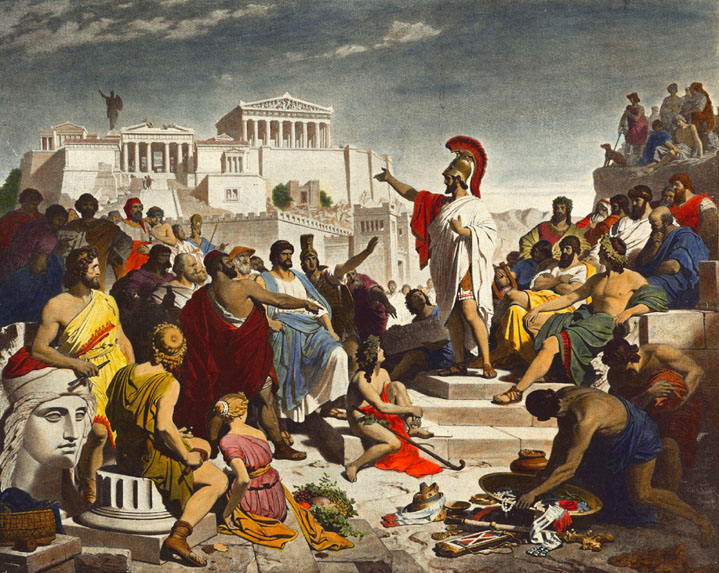
The oligarchs only stayed in power for a few months. The men of the fleet at Samos threatened to sail against Athens if democracy was not restored. So in the autumn the chief oligarchs fled to Decelea and a limited democracy, which still excluded the poor, was established. Next year (410), again under pressure from the sailors, who were poor and justifiably pleased with themselves after a victory over the Spartan fleet, the full democracy was restored.
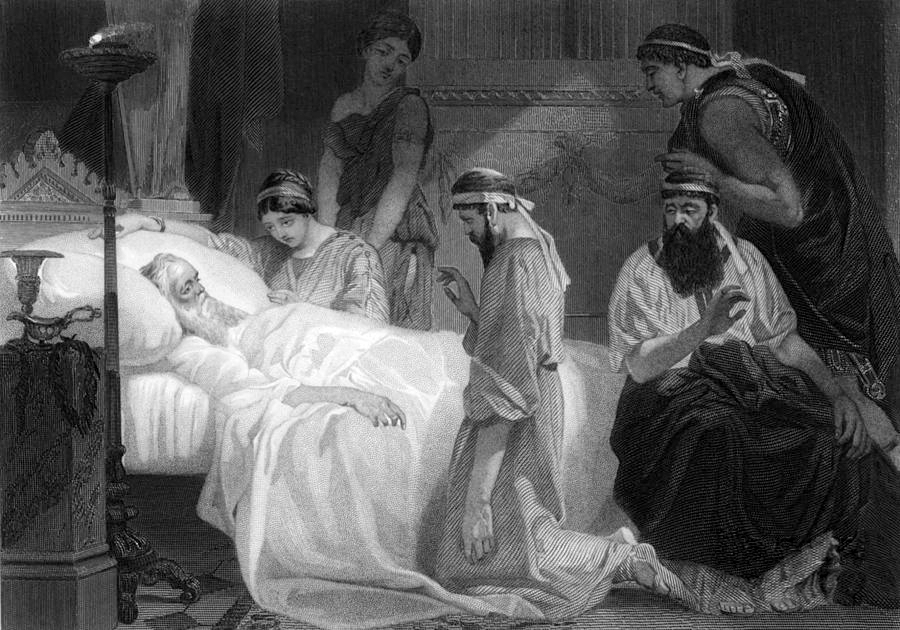
There followed five years in which Spartan peace offers were contemptuously rejected, while good conduct of the war was made impossible owing to the reckless spite of the democratic Assembly. They dismissed Alcibiades because of a defeat suffered by one of his subordinates. (He was finally murdered in Persia in 404.) They ordered the execution of six high officers who had helped to win a victory but, it was said, at too great a cost in lives. Socrates, who happened to be chairman on this last occasion, protested in vain. Accusations of treachery were the fashion. A witch hunt was on. No one was safe. Euripides, aged 75, left for Macedonia, where he died in 406. Sophocles, aged 90, had less to fear. He died a few months later and was therefore spared the sight of his city’s final abasement.
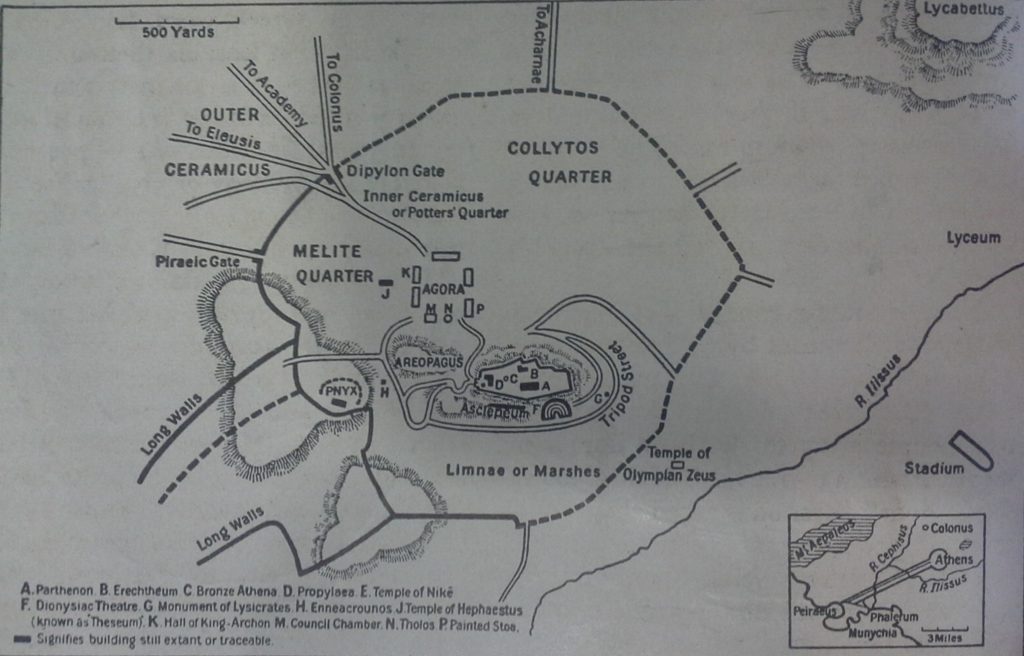
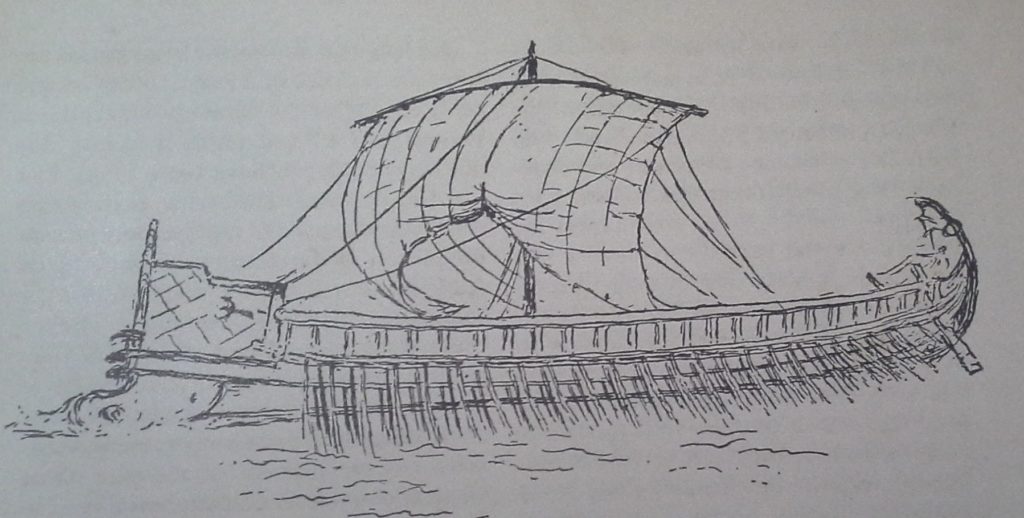
The end came in 405 when Lysander, the Spartan admiral, after capturing the entire Athenian fleet, proceeded to blockade Athens and cut off her corn supply. The terms offered were that the Long Walls should be broken down and the Empire finally surrendered; only twelve ships might be kept and Athens was to become a member of the Spartan alliance. She accepted. In a way she was lucky. The Thebans had wanted her totally destroyed. Instead, she was spared to commit one more stupendous folly.