Peace

This entry is part 36 of 49 in the series Hellenes Greek History and Mythology

Hellenes Greek History and Mythology
hellenes

Who were the Hellenes?

Minotaur

Theseus and the Minotaur

minos

The Palace of Minos

troy

Helen of Troy

hector

The Wooden Horse

Trojan

Was there a Trojan War?

migration

The Migration

city-states

City-States and Colonies

delphic oracle

The Delphic Oracle

olympic games

The Olympic Games

sparta

Sparta

A Spartan grows Up

athens

Athens

Solon

tyrant

A Tyrant Who Was Not Tyrannical

Athenian Democracy

ionian greeks

The Ionian Greeks

marathon

Marathon

athenian

The Rivals

xerxes

The Second Persian Invasion

Thermopylae

Persian Soldier

“Wooden Walls” and Salamis

aeschylus

Aeschylus

theseus

Theseus Comes Home

delos

The Confederacy of Delos

The Athenian Empire

herodotus

Herodotus, The Father of History

parthenon today

The Parthenon

Thucydides

Thucydides

Athens fight Sparta

Why Did Athens Fight Sparta

The Peloponnesian War

The Peloponnesian War Begins

athenians and death

Athenian Death

Hippocrates and Disease

pericles dies plague

Pericles Dies

Cleon Tanner

Cleon the Tanner

peace

Peace

Socrates

Socrates

Alcibiades

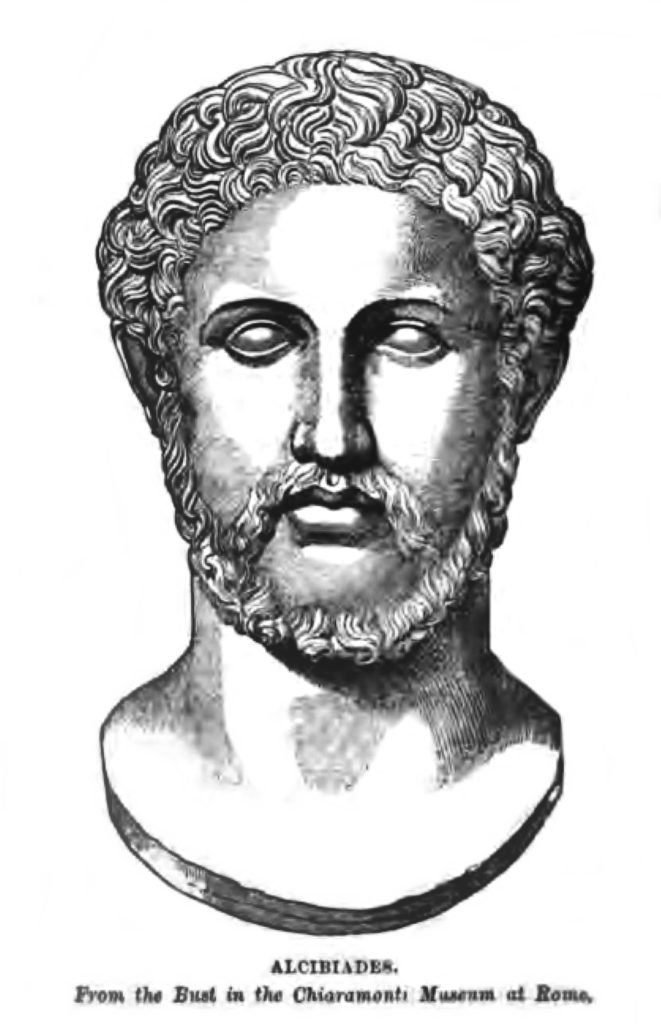
Alcibiades

Hermes, Sicily

Sicily

Hecuba, Queen of Troy

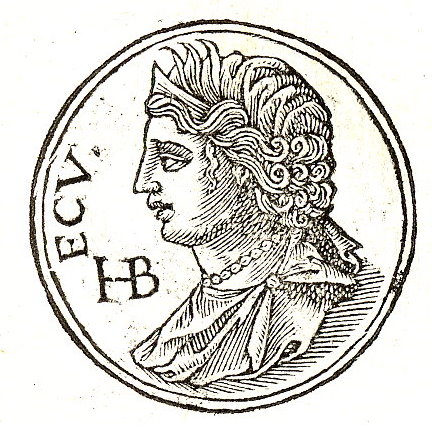
Hecuba, Queen of Troy

Decelea

Decelea, a Thorn in the Flesh

oligarchy

Oligarchy and Athens in Defeat

socrates' death

Socrates’ Death

xenopon

Xenophon

damocles' sword

Damocles’ Sword – The Fourth Century

Plato

Plato

Alexander of Macedon

Alexander of Macedon

Old Europe Crumbles (451 – 520 A.D.)

Hellenistic Age – Alexandria and Byzantium

Hellenistic Age – Alexandria and Byzantium

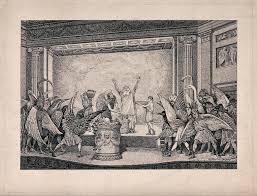
Not everyone approved of this policy. The country people, whose farms were being devastated every year by the invading Spartans, were ready for peace. So was Aristophanes. In 424 he won first prize with the Knights, a comedy in which he himself played the part of Cleon. So savagely satirical were the lines he had written for this character that no one dared make him a mask to wear. So he smeared his face with red juice and went on the stage without a mask. Cleon for all his power, could not retaliate.

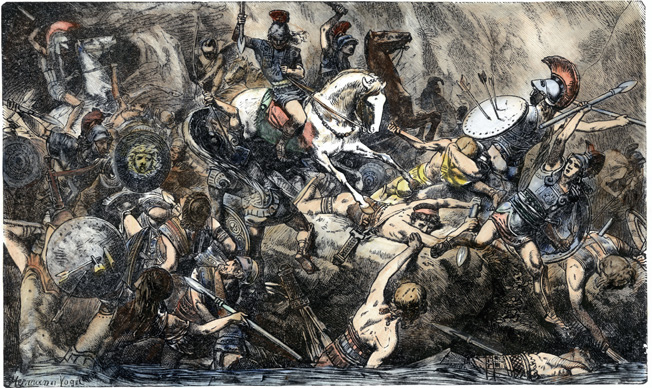
In the following year (423) Cleon went campaigning against the Spartan Brasidas in Thrace, but luck deserted him. He had served as a general, but never in a lower rank, so he was bound to blunder sooner or later. He gave a wrong order, which exposed his men to the enemy and was killed as he tried to escape from the rout. His wounds were not in front.

Two years later (421) peace was made. Prisoners and certain conquests were returned. There had been ten years of war and the turbulent Cleon was dead.

Aristophanes wrote a comedy called the Peace, which looked forward to happier times. In fact there were depths of viciousness and folly which the Athenians had not yet explored.

Hellenes Greek History and Mythology
Cleon the Tanner Socrates