Hellenes Greek History and Mythology

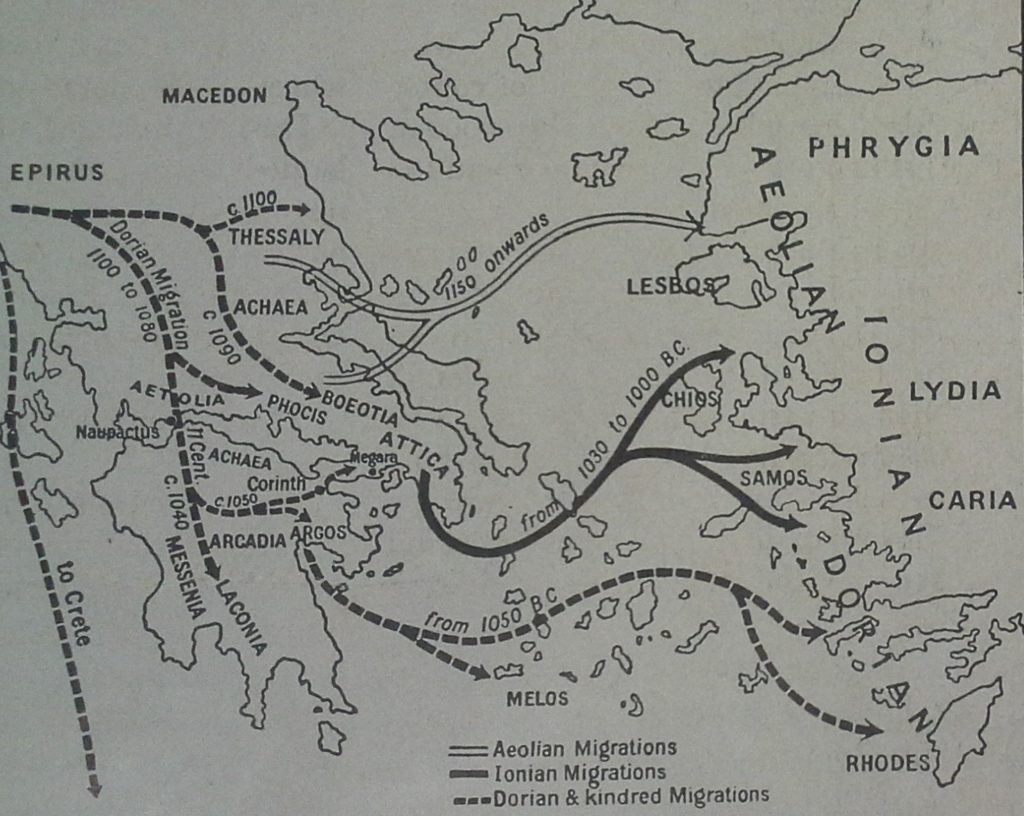


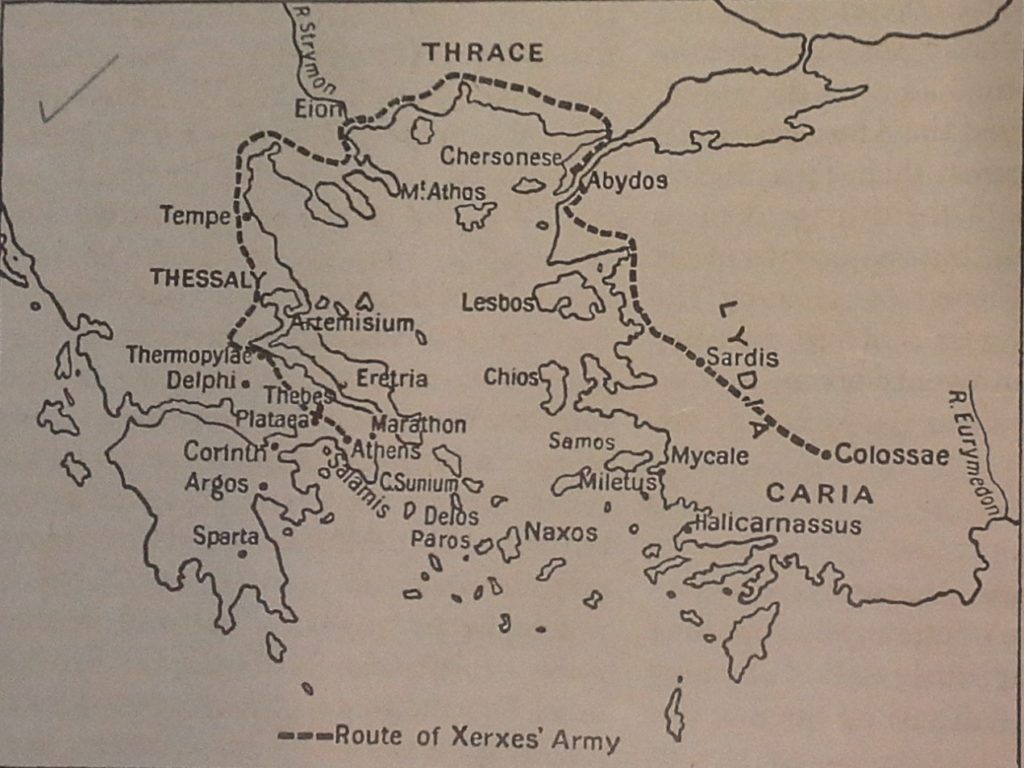
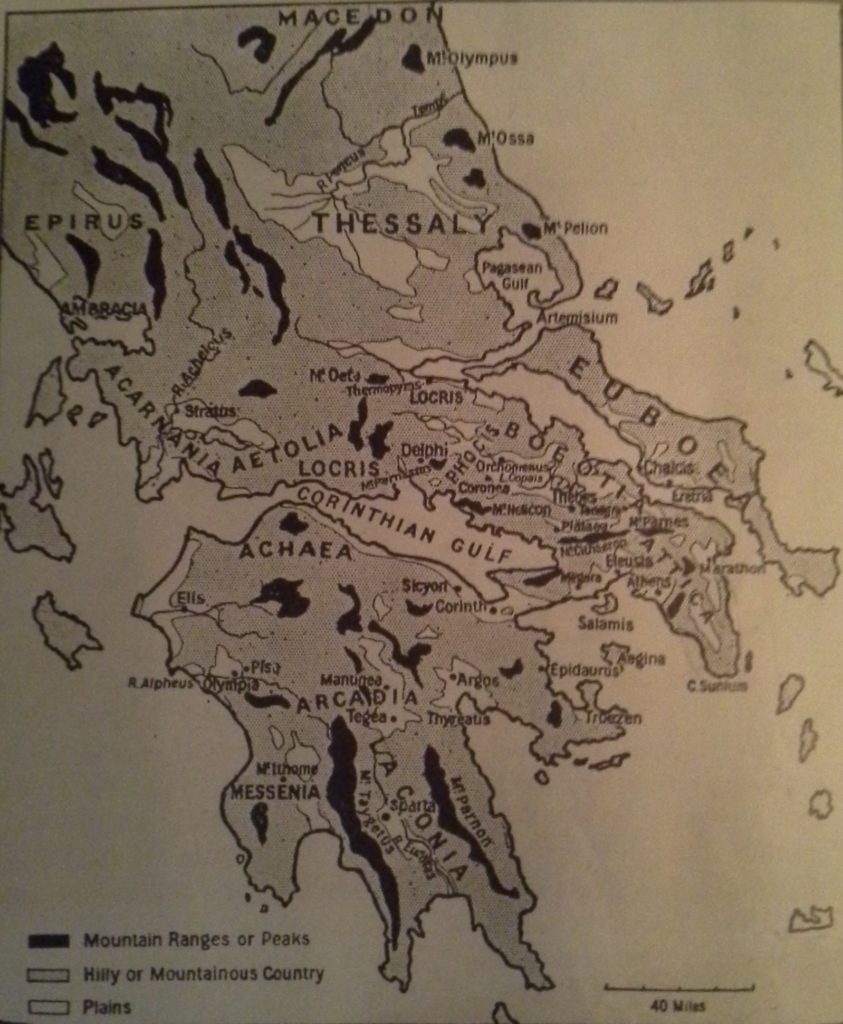

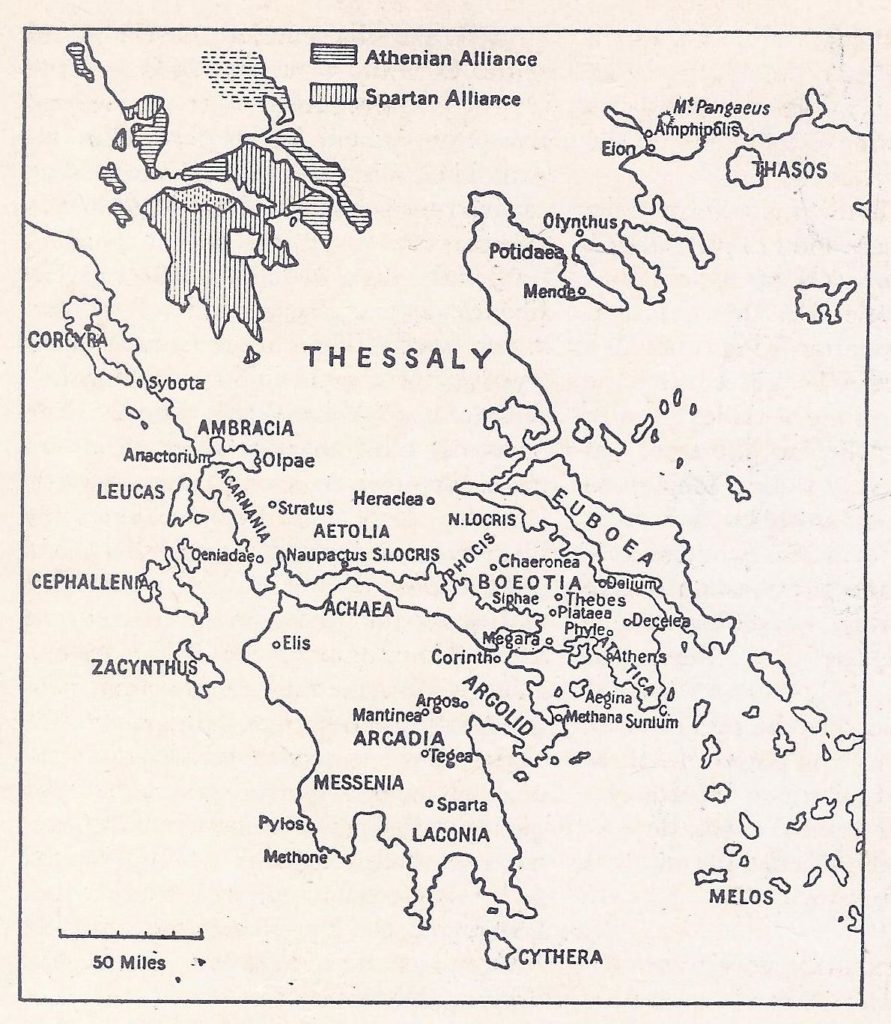
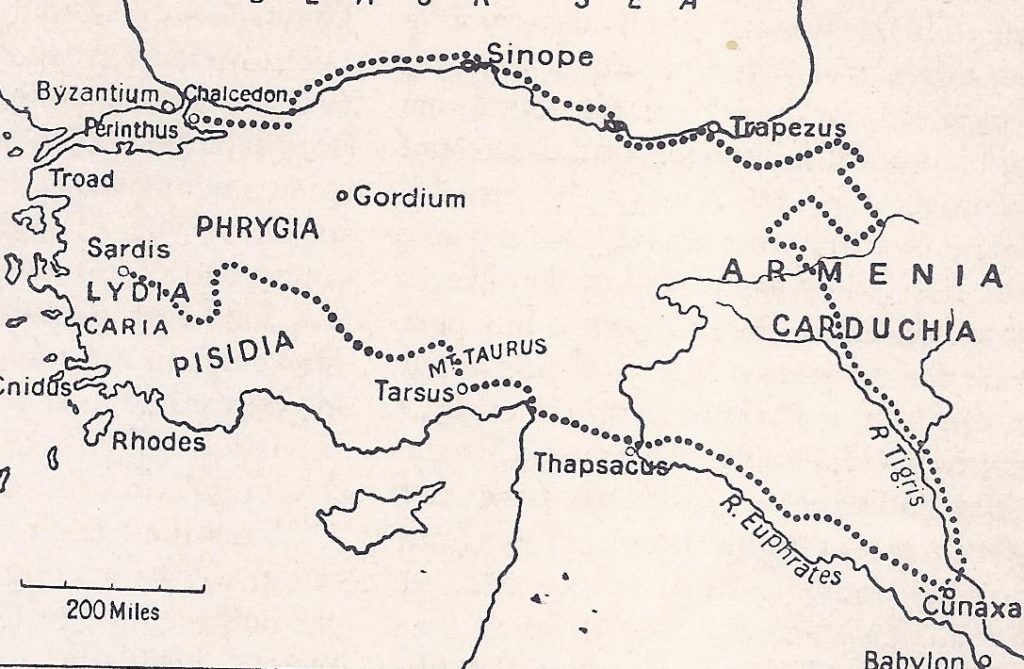

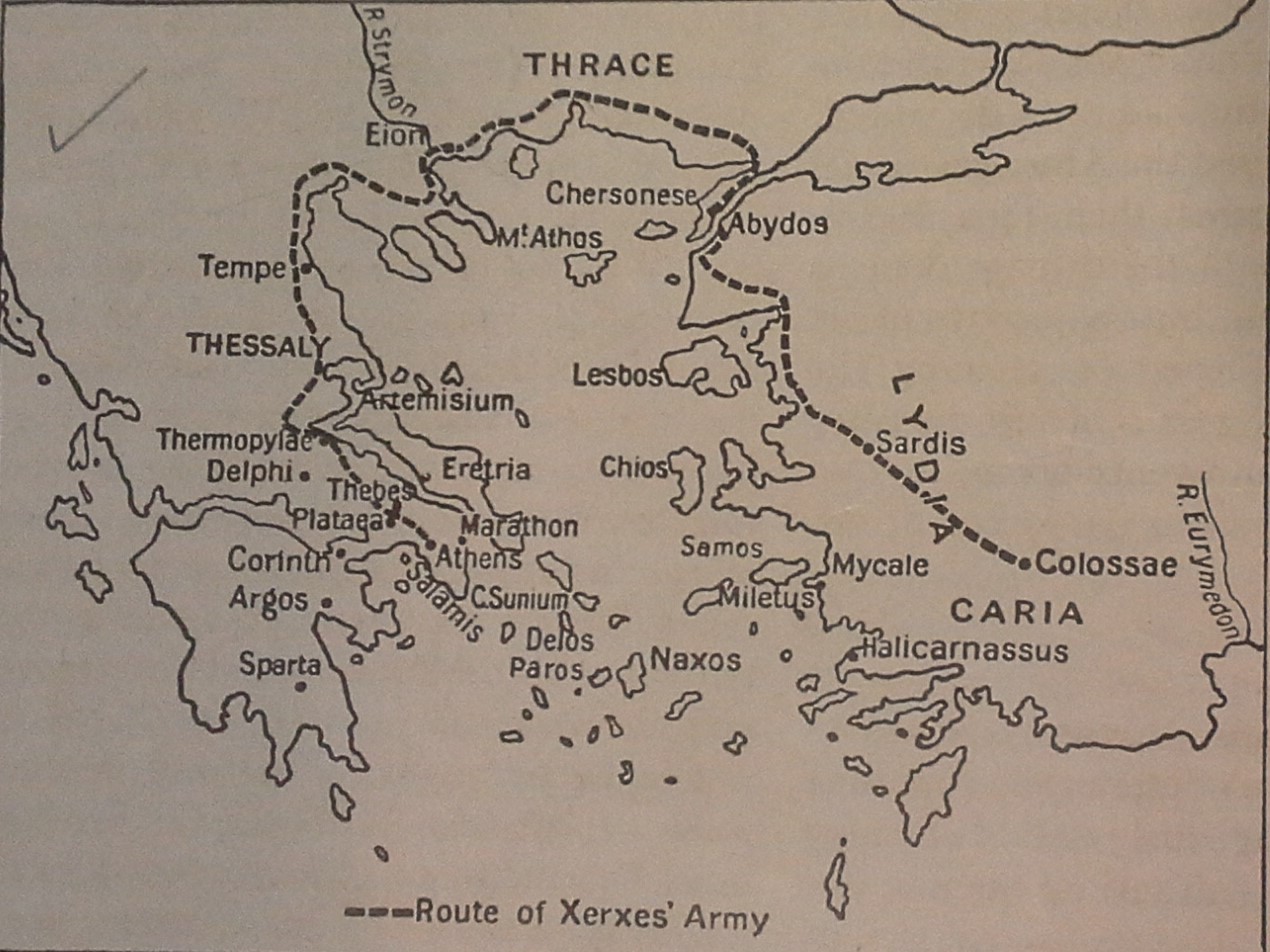
The Ionian Greeks, who lived on the coast of Asia Minor and the adjoining islands, had produced some of the leading poets and thinkers of the Greek world. Thales of Miletus (640-546 B.C.) predicted an eclipse of the sun and introduced geometry to the Greeks. Pythagoras of Samos (c. 500) won fame as a philosopher and mathematician, although it is not now thought that he discovered the geometrical truth which bears his name (i.e. that the square on the hypotenuse of a right-angled triangle is equal to the sum of the squares on the other two sides). Thales was interested in politics as well as mathematics and tried to unite the cities of Ionia into a federation. Each city-state would have renamed independent but would have sent representatives to a council to discuss affairs of common interest. This scheme did not succeed. The Ionian cities of the mainland (except for the largest, Miletus) became subject to Lydia and later, when Cyrus conquered Croesus (p. 21), they all became subject to Persia. Even some of the islands succumbed. Polycrates, the fabulously wealthy tyrant of Samos, whose position was such that he could enter into a treaty with the king of Egypt, was enticed by the Persians onto the mainland and killed (522).
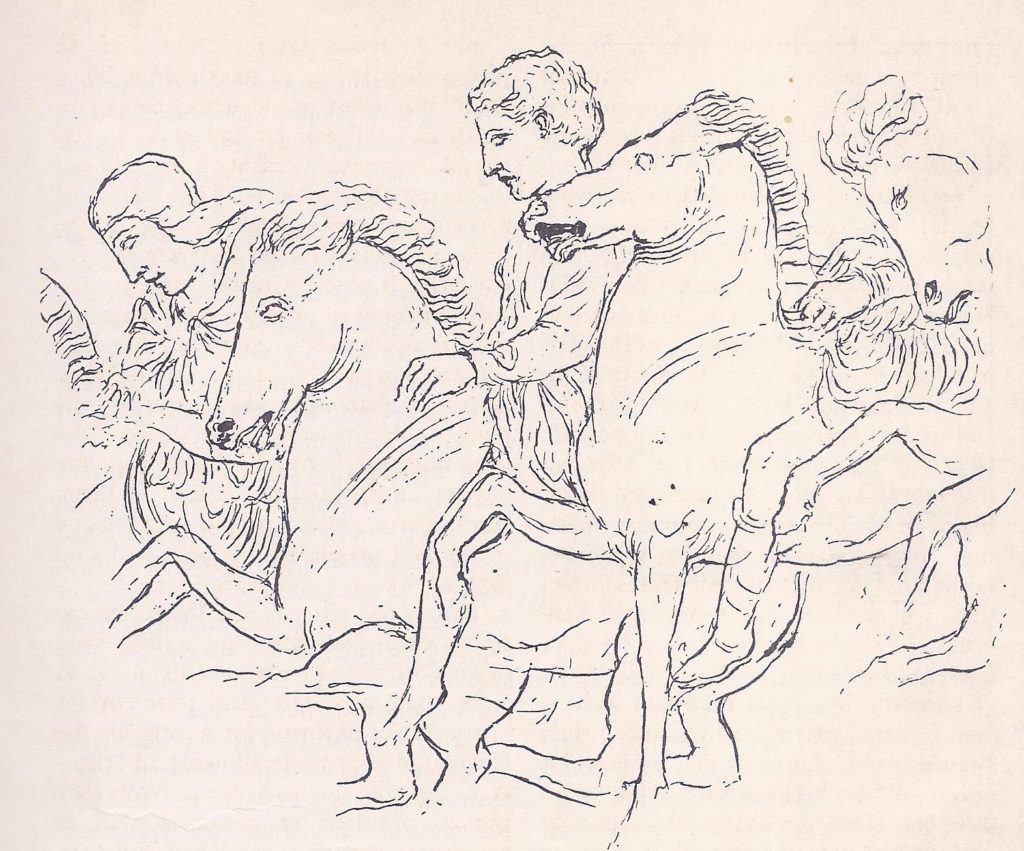
In the year 522 a pretender had seized the throne of Persia and some nobles, of whom Darius was one, joined in assassinating him. They then decided that they would ride out early in the morning and that the one whose horse neighed first after the sun rose should be King. Darius’s groom saw to it that his master’s horse neighed first and Darius became King of Persia. Neither fate nor the other nobles punished him for cheating in this way. He ruled Persia until 485, by no means incompetently. He divided his empire into twenty satrapies, each governed by an official called a satrap. An efficient postal service made it possible for him to keep in close touch. (It was three months’ march from Sardis to Susa, Darius’s capital, but relays of messengers could do the journey in a week.)
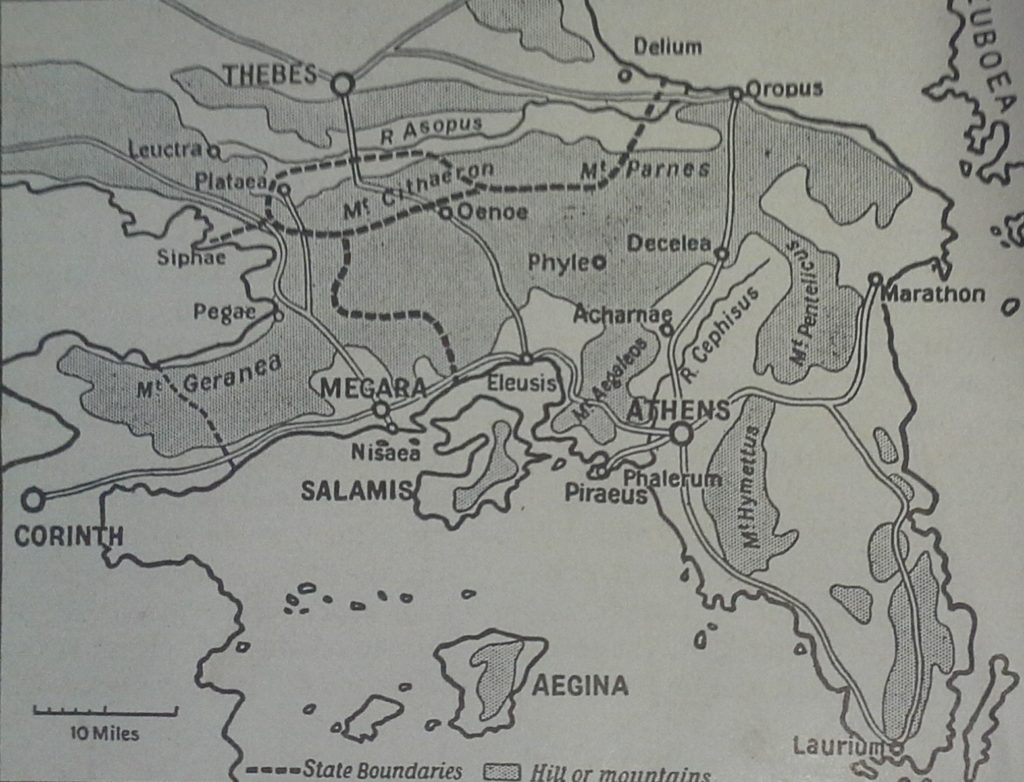
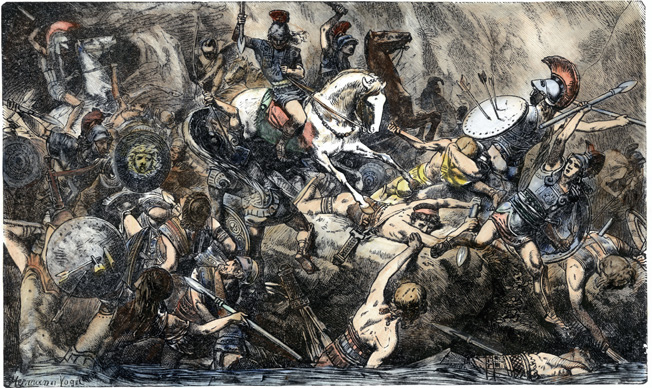
The Ionian Greeks, however, saw things differently. They were governed by tyrants approved by the satrap and had to pay tribute. Finally they organized a revolt and sought help from the cities of mainland Greece. This was how it came about that an Athenian contingent helped to burn Sardis and thus attracted the notice of Darius. When therefore (494) the Ionian revolt was finally put down and the great city of Miletus had been destroyed, Darius “remembered the Athenians”. His first expedition against them (492) had to turn back because of the damage done to the fleet in a storm, but in 490 two of his commanders succeeded in crossing the Aegean and landing an army on the plain of Marathon, about twenty-six miles from Athens. With them was the former tyrant Hippias.