The Migration

This entry is part 7 of 49 in the series Hellenes Greek History and Mythology

Hellenes Greek History and Mythology
hellenes

Who were the Hellenes?

Minotaur

Theseus and the Minotaur

minos

The Palace of Minos

troy

Helen of Troy

hector

The Wooden Horse

Trojan

Was there a Trojan War?

migration

The Migration

city-states

City-States and Colonies

delphic oracle

The Delphic Oracle

olympic games

The Olympic Games

sparta

Sparta

A Spartan grows Up

athens

Athens

Solon

tyrant

A Tyrant Who Was Not Tyrannical

Athenian Democracy

ionian greeks

The Ionian Greeks

marathon

Marathon

athenian

The Rivals

xerxes

The Second Persian Invasion

Thermopylae

Persian Soldier

“Wooden Walls” and Salamis

aeschylus

Aeschylus

theseus

Theseus Comes Home

delos

The Confederacy of Delos

The Athenian Empire

herodotus

Herodotus, The Father of History

parthenon today

The Parthenon

Thucydides

Thucydides

Athens fight Sparta

Why Did Athens Fight Sparta

The Peloponnesian War

The Peloponnesian War Begins

athenians and death

Athenian Death

Hippocrates and Disease

pericles dies plague

Pericles Dies

Cleon Tanner

Cleon the Tanner

peace

Peace

Socrates

Socrates

Alcibiades

Alcibiades

Hermes, Sicily

Sicily

Hecuba, Queen of Troy

Hecuba, Queen of Troy

Decelea

Decelea, a Thorn in the Flesh

oligarchy

Oligarchy and Athens in Defeat

socrates' death

Socrates’ Death

xenopon

Xenophon

damocles' sword

Damocles’ Sword – The Fourth Century

Plato

Plato

Alexander of Macedon

Alexander of Macedon

Old Europe Crumbles (451 – 520 A.D.)

Hellenistic Age – Alexandria and Byzantium

Hellenistic Age – Alexandria and Byzantium

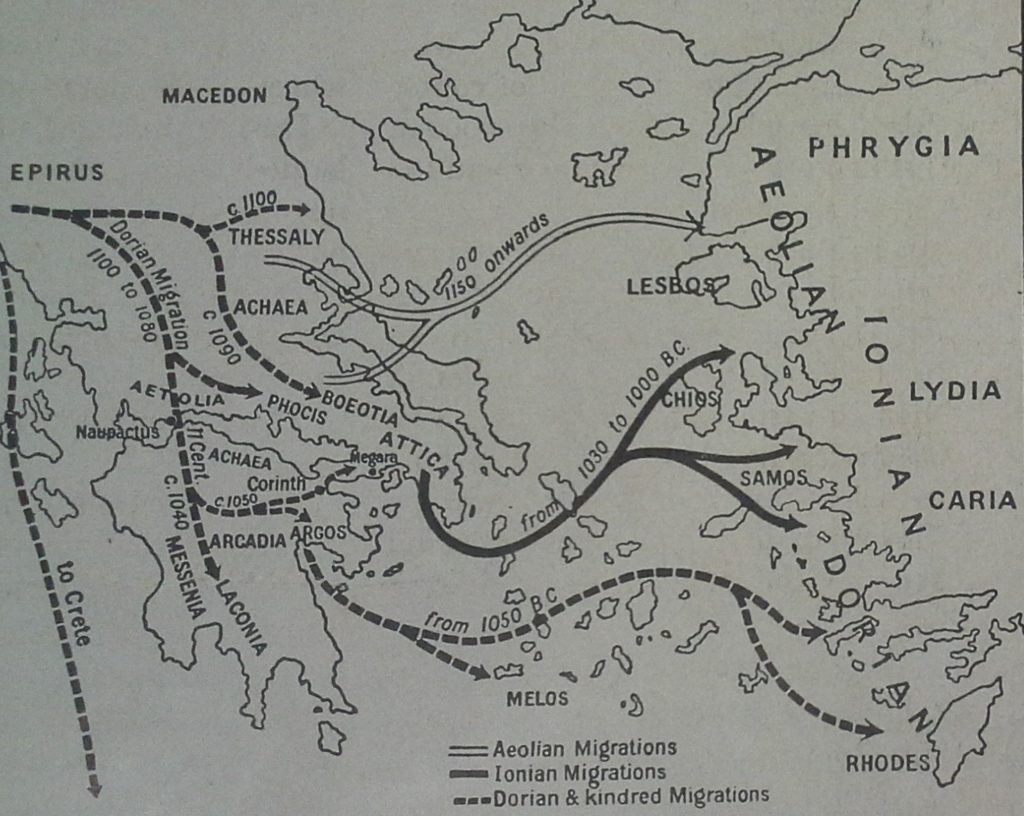
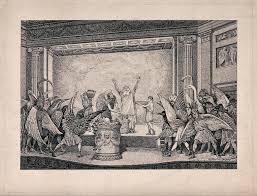
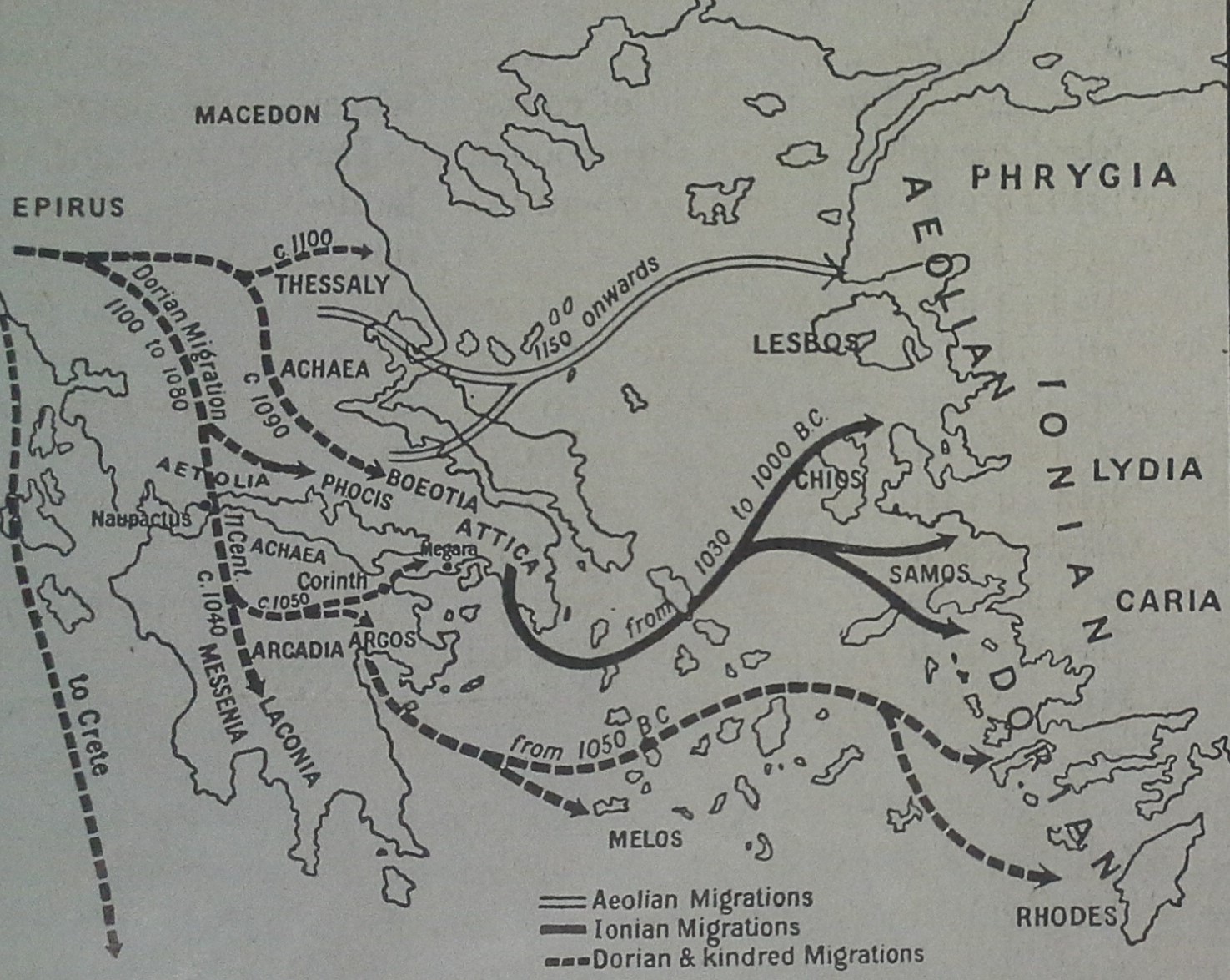
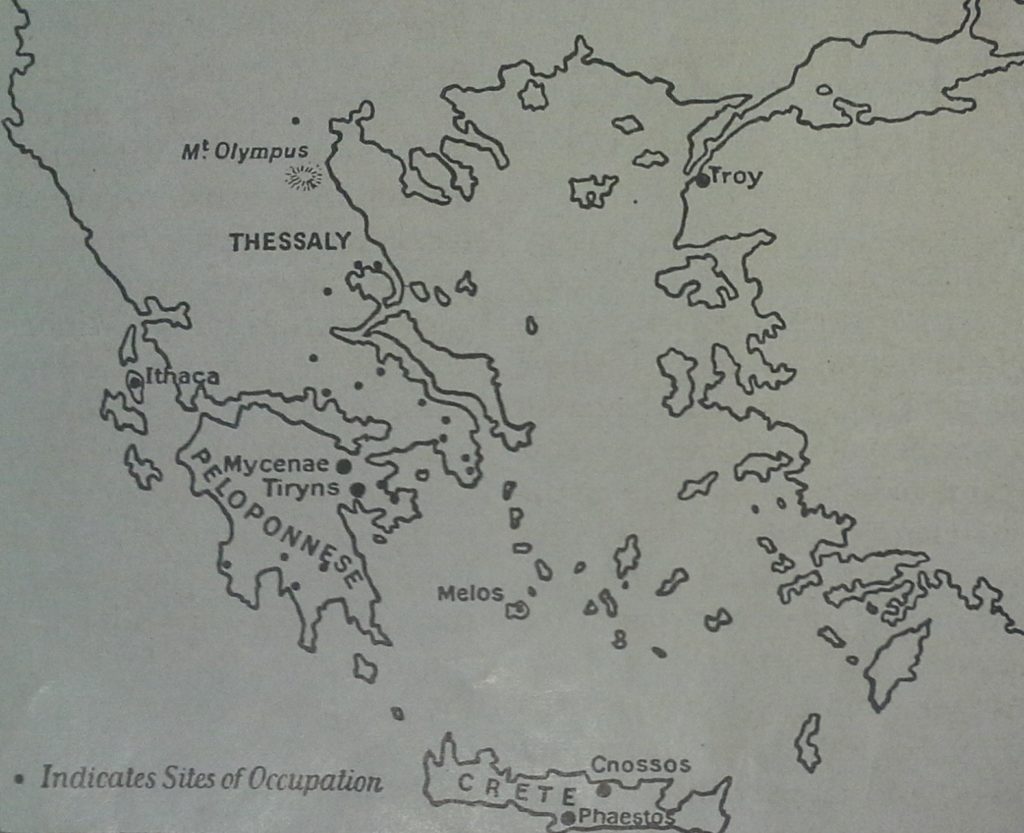
The “Dark Age” of Greece (c. 1100 – 800) was a time of migration and settlement. Whole peoples were in migration mode. People on the move do not have time to write records for us to read later nor do they build palaces which we can dig up. So there is no continuous history of this period, though during it Homer (c. 900) and Hesiod (c. 800) wrote their poems. (Hesiod’s contained two very different ingredients — stories of the gods and practical advice about country life.)

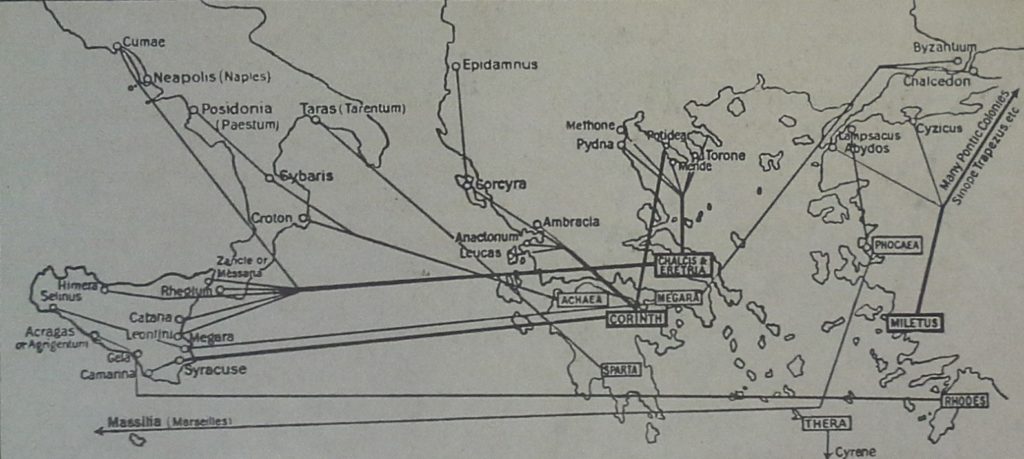
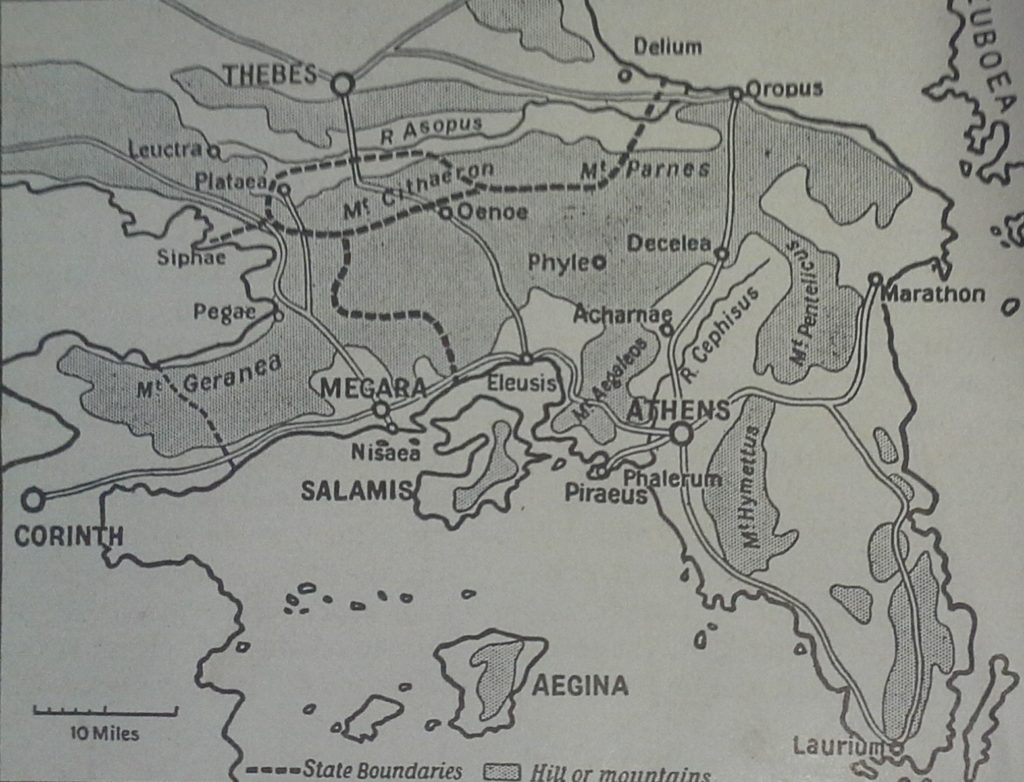
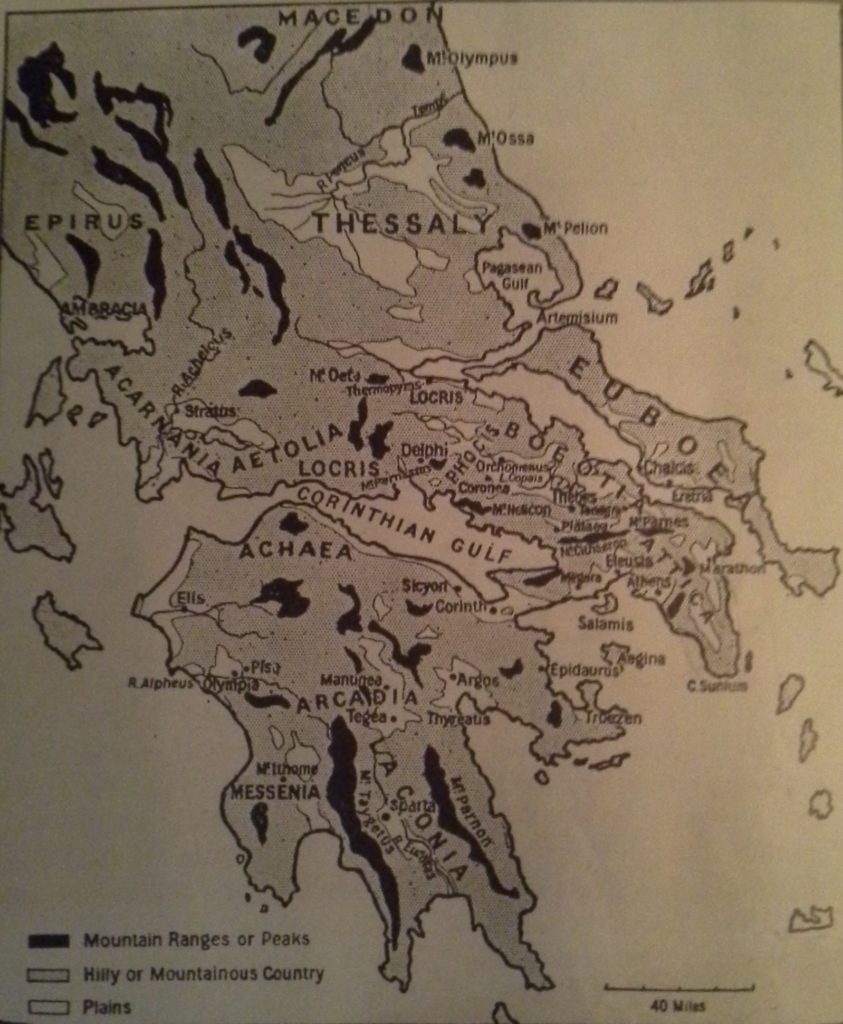
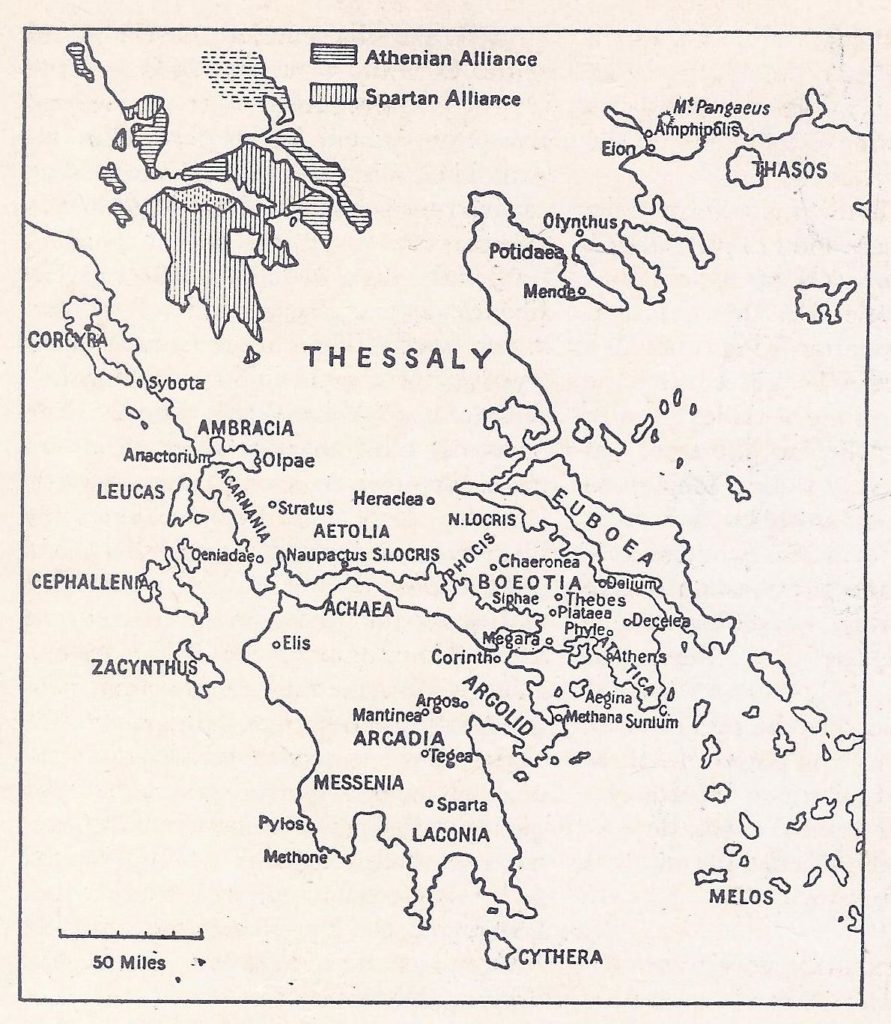
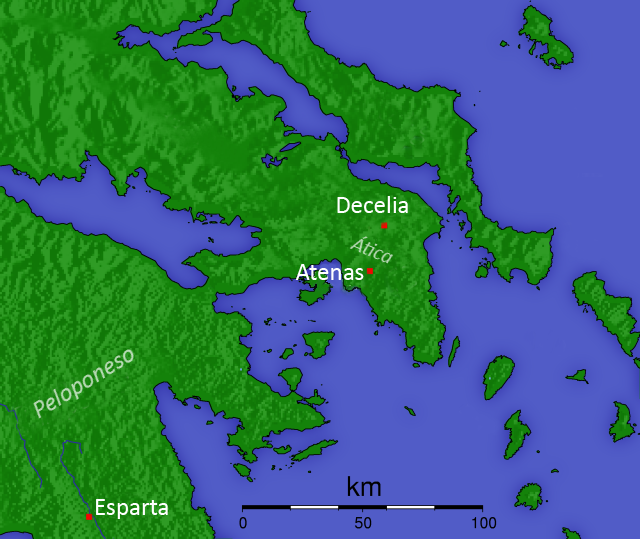
The Achaeans were overcome by invaders from the north called Dorians, who occupied the Peloponnese. Some of them also occupied part of the coast of Asia Minor and Crete. The Dorians did not invade the peninsula on which Athens stood, but Achaeans and kindred peoples called Ionians, who had been forced out of other parts of Greece, took refuge there. In time some of these migrated to Asia Minor. The coastal area which they occupied was called Ionia.

The distinction between Dorian and non-Dorian parts of Greece gradually ceased to be important. The point to remember about the Dorian invasion is that it left Greeks settled in Ionia as well as on the Aegean islands and the mainland. They were destined, however, to go further afield than that.

migration
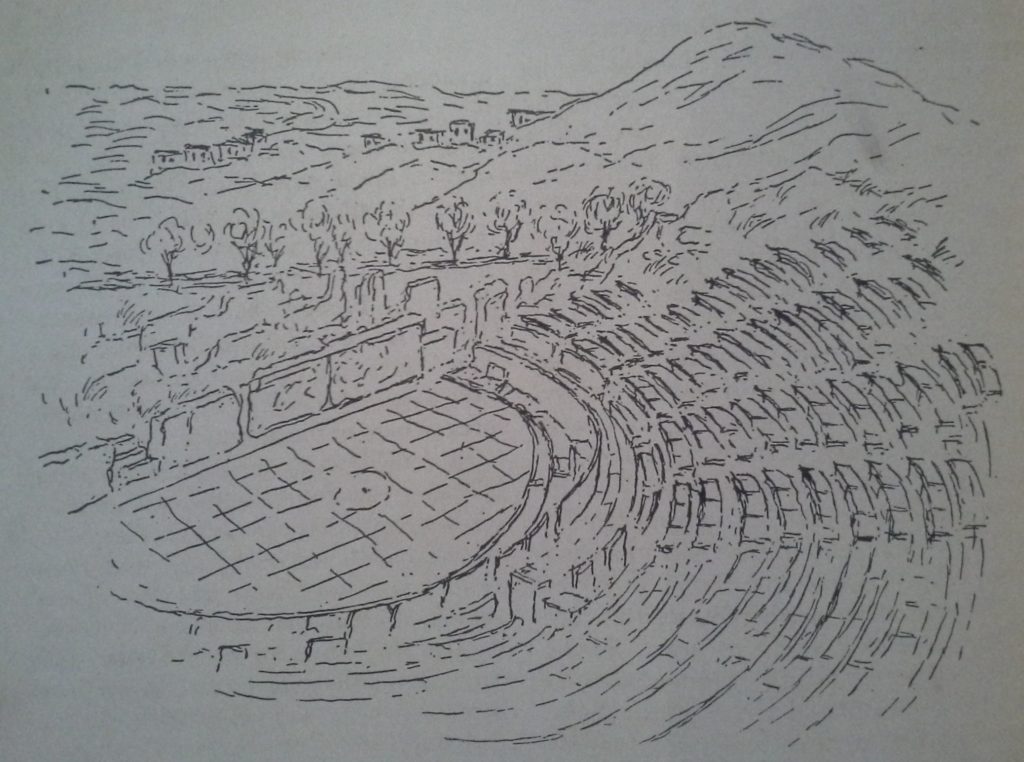
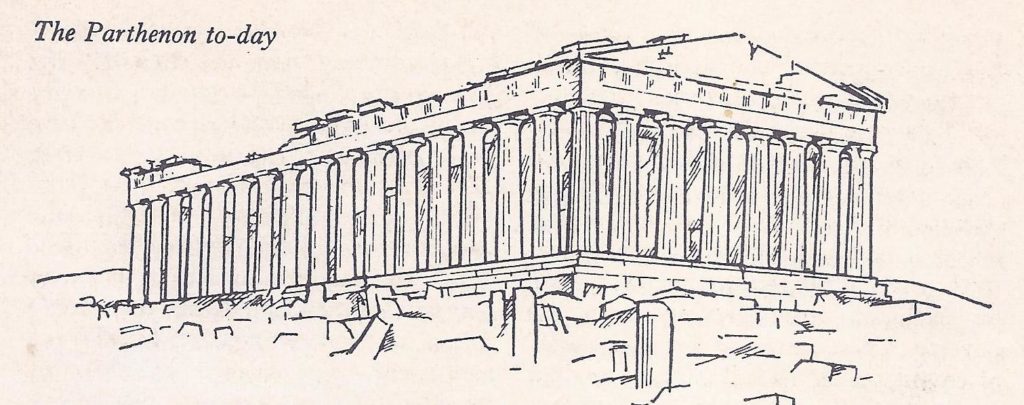
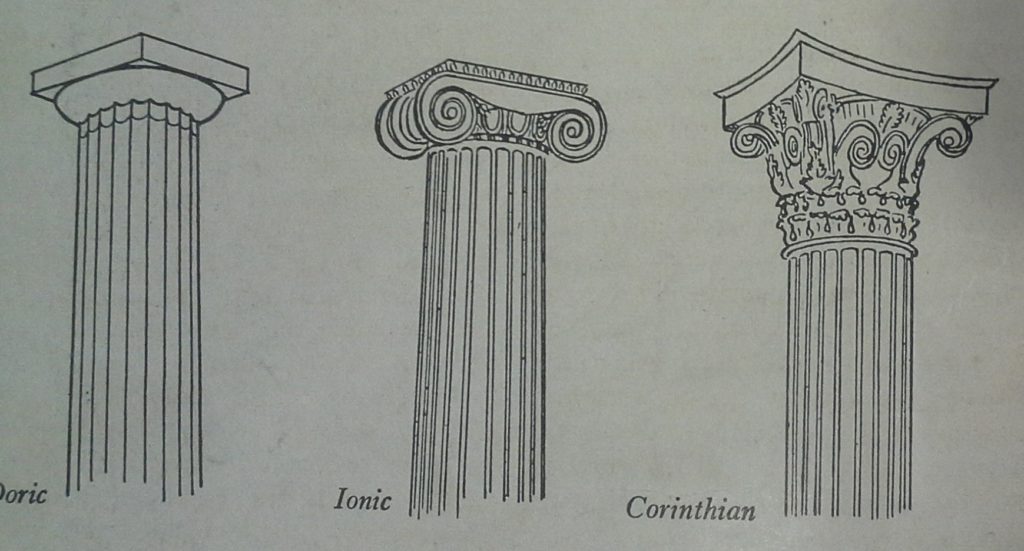
The names Doric and Ionic have been given to the two simplest types of capital (the top of an architectural column); but this does not mean that one sort was useed only by Dorians and the other by Ionians (e.g. the Parthenon has Doric capitals). Similarly, the Corinthian capital, introduced in the fourth century B.C., was not confined to Corinth.

Hellenes Greek History and Mythology
Was there a Trojan War? City-States and Colonies