Helen of Troy

This entry is part 4 of 49 in the series Hellenes Greek History and Mythology

Hellenes Greek History and Mythology
hellenes

Who were the Hellenes?

Minotaur

Theseus and the Minotaur

minos

The Palace of Minos

troy

Helen of Troy

hector

The Wooden Horse

Trojan

Was there a Trojan War?

migration

The Migration

city-states

City-States and Colonies

delphic oracle

The Delphic Oracle

olympic games

The Olympic Games

sparta

Sparta

A Spartan grows Up

athens

Athens

Solon

tyrant

A Tyrant Who Was Not Tyrannical

Athenian Democracy

ionian greeks

The Ionian Greeks

marathon

Marathon

athenian

The Rivals

xerxes

The Second Persian Invasion

Thermopylae

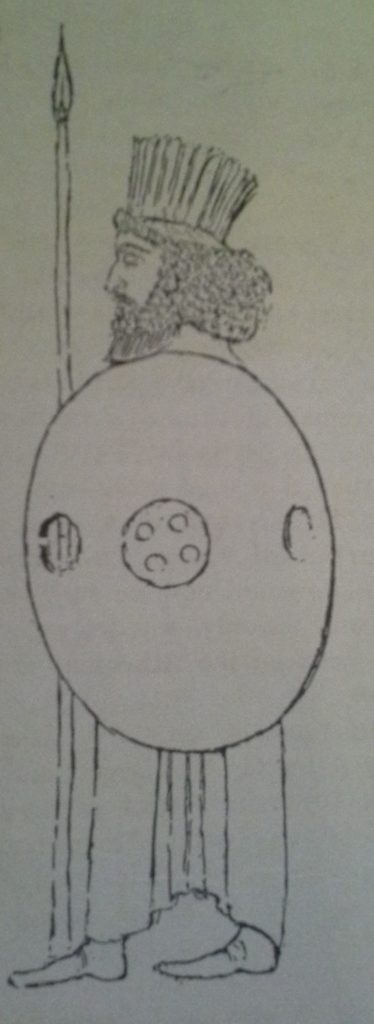
Persian Soldier

“Wooden Walls” and Salamis

aeschylus

Aeschylus

theseus

Theseus Comes Home

delos

The Confederacy of Delos

The Athenian Empire

herodotus

Herodotus, The Father of History

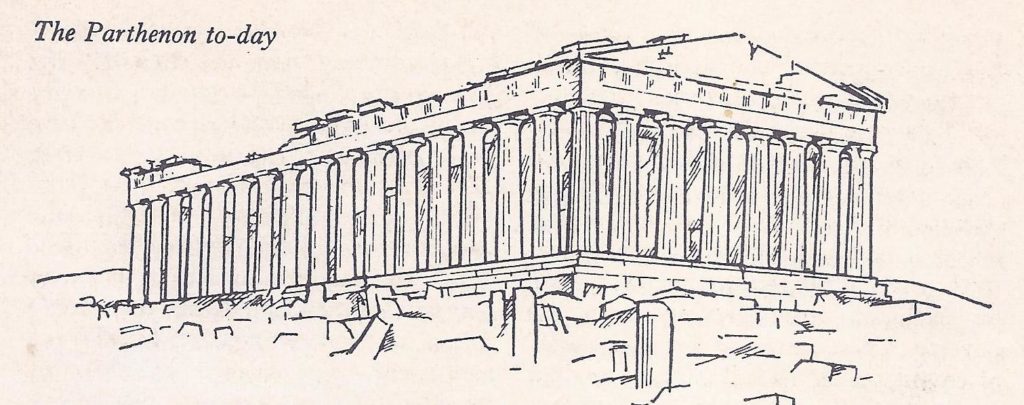
parthenon today

The Parthenon

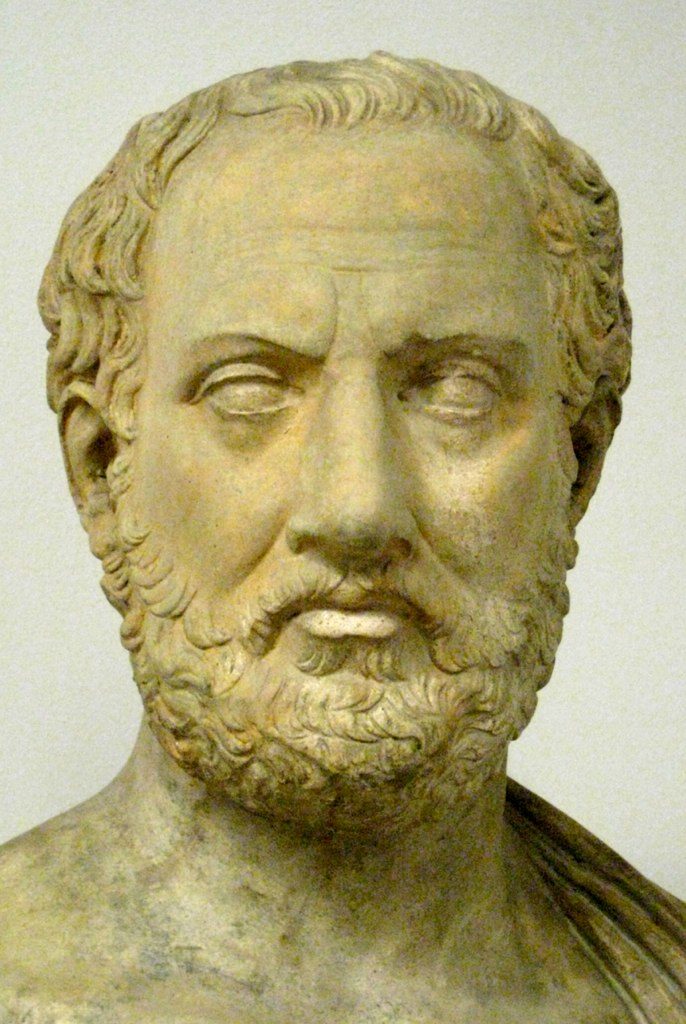
Thucydides

Thucydides

Athens fight Sparta

Why Did Athens Fight Sparta

The Peloponnesian War

The Peloponnesian War Begins

athenians and death

Athenian Death

Hippocrates and Disease

pericles dies plague

Pericles Dies

Cleon Tanner

Cleon the Tanner

peace

Peace

Socrates

Socrates

Alcibiades

Alcibiades

Hermes, Sicily

Sicily

Hecuba, Queen of Troy

Hecuba, Queen of Troy

Decelea

Decelea, a Thorn in the Flesh

oligarchy

Oligarchy and Athens in Defeat

socrates' death

Socrates’ Death

xenopon

Xenophon

damocles' sword

Damocles’ Sword – The Fourth Century

Plato

Plato

Alexander of Macedon

Alexander of Macedon

Old Europe Crumbles (451 – 520 A.D.)

Hellenistic Age – Alexandria and Byzantium

Hellenistic Age – Alexandria and Byzantium

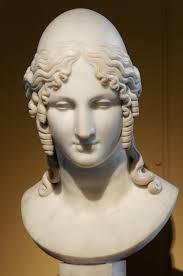
Helen “of Troy“ was in fact Helen of Sparta where she was the wife of King Menelaus. She only spent part of her life in Troy, but it was those years which made her famous. The cause of her going there was the following.

The three goddesses, Hera, Athena and Aphrodite (goddess of love) were attending a wedding, when a golden apple was thrown among the guests. It was inscribed “to the fairest”. Naturally, each of the three goddesses claimed it. Zeus ordered Hermes to take them to Mount Ida, near Troy, where Paris would settle their dispute. Paris was the son of King Priam, but it had been prophesied that he would cause trouble; so he had left the court and was working on Mount Ida as a shepherd.

Instead of letting Paris decide simply by looking at them, the three goddesses all offered him bribes. Hera said she would make him a powerful ruler if he chose her. Athena offered him fame as a warrior. However, Aphrodite promised Paris that if he would award her the golden apple she would give him the most beautiful woman in the world for his wife.

Paris gave the golden apple to Aphrodite.

Aphrodite kept her promise, but not in the way one might have expected. Instead of finding a beautiful unmarried girl for Paris, she caused him to fall in love with Helen of Sparta and he eloped with her to Troy. This was an outrageous thing to do. It is not surprising that the poets who told the story made Helen of Troy the cause of a ten year war.

Hellenes Greek History and Mythology
The Palace of Minos The Wooden Horse