Socrates
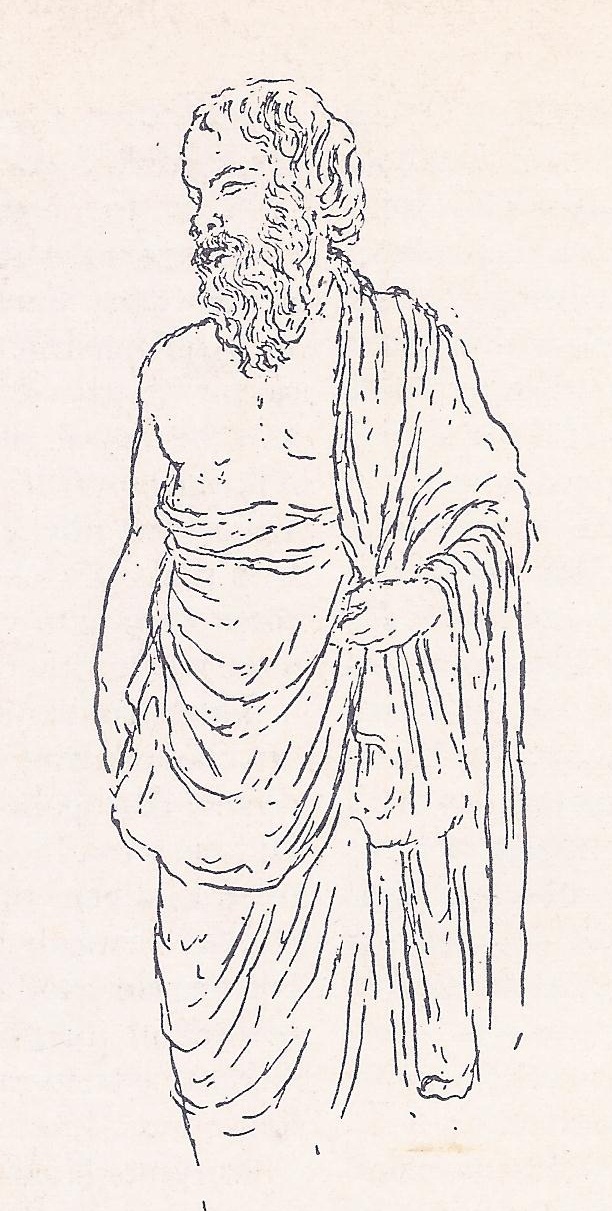
Socrates was short, ugly and brave. He served as a hoplite in the Peloponnesian war and on one occasion saved the life of a rich and handsome young recruit. It was the proper thing to do of course, but one’s…
5000 Years of History. Wisdom. Heritage. Vision.
HELLENES AND GREEK HISTORY AT A GLANCE c3000 – 1400 Minoan Ages — Crete supreme. c1400 – 1100 Mycenaean Age — Mycenae and other Peloponnesian cities, inhabited by Achaeans, supreme. Sometimes called ‘Homeric Age’ because Homer, who lived much later, described it. c1100 – 800 Dark Ages — Dorian invasion. Greeks move into Ionia. Homer perhaps lived c 900. 800 – 600 Age of Colonisation — Colonies throughout Mediterranean and Black Sea. 776, First Olympic games. Delphic oracle gains influence. Spartan system established. 600 – 500 Sixth Century — Sometimes called the ‘Age of the Tyrants.’ Peisistratus at Athens. Solon and Cleisthenes found Athenian democracy. Philosophers and poets in Ionia and the islands. 500 – 400 FIFTH CENTURY DEFEAT OF PERSIANS (490, 480-479) ATHENIAN EMPIRE THE PERICLEAN AGE. FULL DEMOCRACY FOR ATHENIAN CITIZENS. WRITING OF HISTORY, TRAGEDY AND COMEDY. THE PARTHENON. SCULPTURE AND POTTERY. PELOPONNESIAN WAR (431-404). SOCRATES. 400 – 300 Fourth Century — Death of Socrates. Athens has lost her Empire, but her philosophers, orators and sculptors are famous. Greece submits to Philip of Macedon (338). Conquests of Alexander (332-323). c30 – 146 Hellenistic Age — Alexandria more important than Athens as centre of learning. Greece becomes part of Roman Empire(146). 146 B.C. – 328 A.D. — Greece part of Roman Empire. 328 – 1453 — Eastern Roman Empire or Byzantine Empire starting with founding of Constantinople. 1453 – 1821 — Greece under Turkish rule. War of Independence begins (1821). 1832 — Greece an independent kingdom. SOME PERSIAN KINGS Cyrus the Great (549 – 529) — First King of Persia. Conquered Croesus. Darius the Great (521 – 486) — “Remember the Athenians”. Xerxes I (486 – 465) — Second invasion of Greece. Artaxerxes II (45 – 362) — The “March-up Country”. Darius III (336 – 330) — Last King of Persia. Defeated by Alexander.
Socrates was short, ugly and brave. He served as a hoplite in the Peloponnesian war and on one occasion saved the life of a rich and handsome young recruit. It was the proper thing to do of course, but one’s…
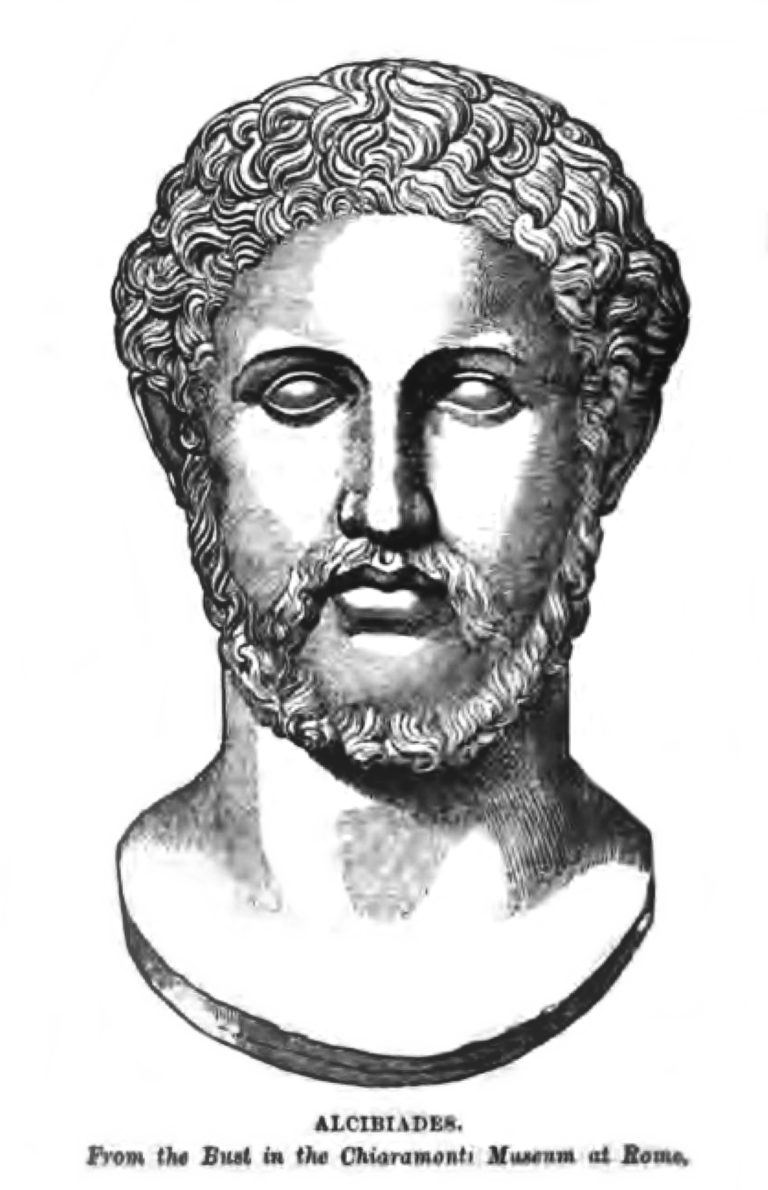
Alcibiades was the nephew of Pericles. As well as being rich and handsome, he was amusing, clever, insolent and unreliable. He was about twenty when Socrates saved his life at Potidaea in the first year of the Peloponnesian War (432).…
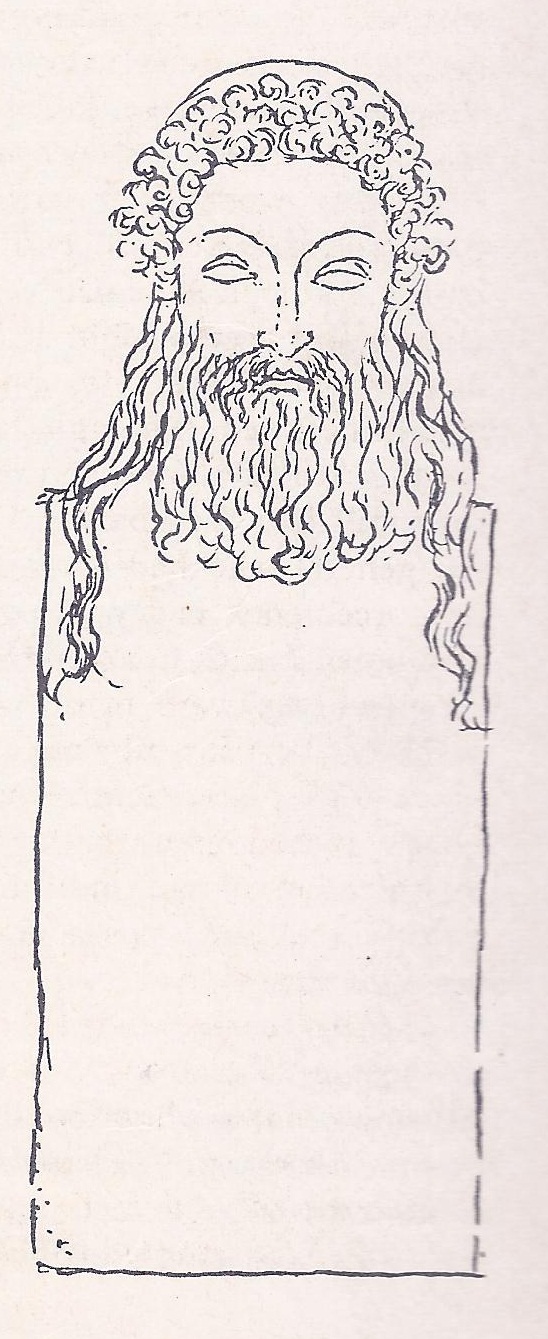
Greeks had first settled round the coasts of Sicily during the colonising period and in 480 they had united to defeat a Carthaginian attempt to oust them from Sicily. Their unity, however, like that of the mainland Greeks against the…
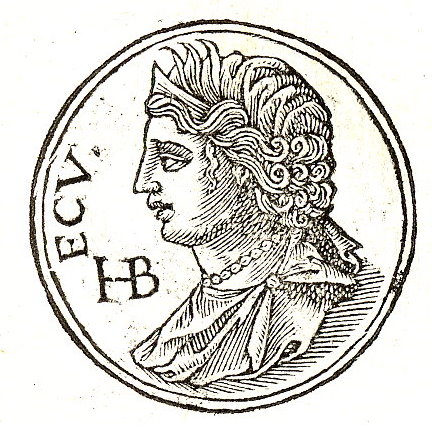
In the year when the expedition sailed to Sicily (415) Euripides put on a play, the Trojan Women, in which the wives of the defeated heroes of Troy were shown in the first bitterness of enslavement. When he wrote, Euripides…
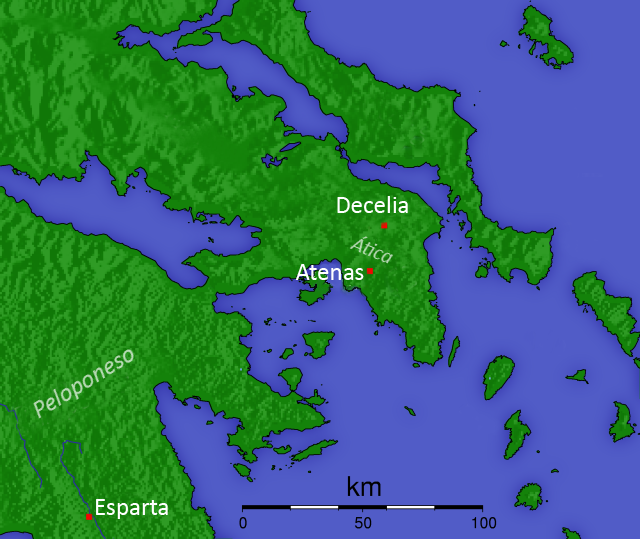
Decelea near the border of Attica and Boeotia was fortified by the Spartans (413). The first piece of good advice which Alcibiades gave the Spartans was to send Gylippus to Syracuse. The second was this: “Restart the war; but don’t…
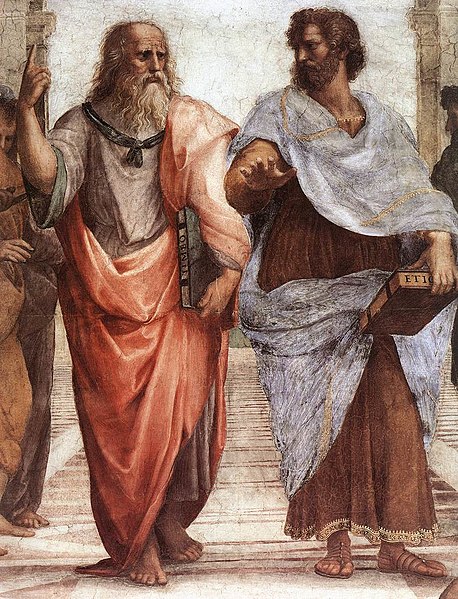
Oligarchy — “rule by the few” was a form of government which Athens had not experienced since the 6th century, though it was common in many of the Greek states. This closing stage was surprisingly long. Alcibiades, having made himself…
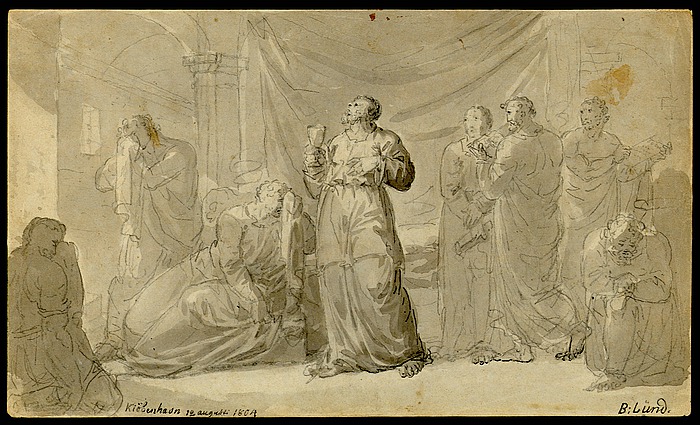
Socrates’ death occurred in the year 399 an Athenian court condemned Socrates for opposing the official religion of the state, a practice which in fact he studiously avoided and for “corrupting the youth”, which simply meant that he tried to…
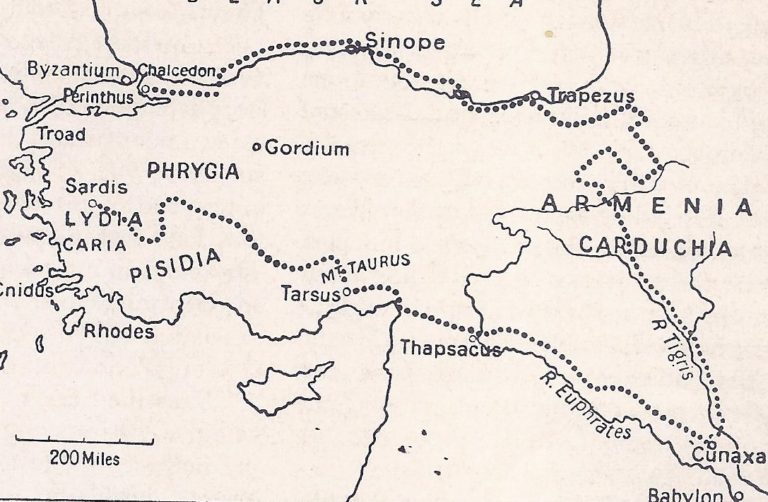
The other author who tells us about Socrates is Xenophon. We owe him much. In addition to writing down what he remembered of conversations with Socrates, he wrote a short account of the Peloponnesian War after 411 (Thucydides only completed…
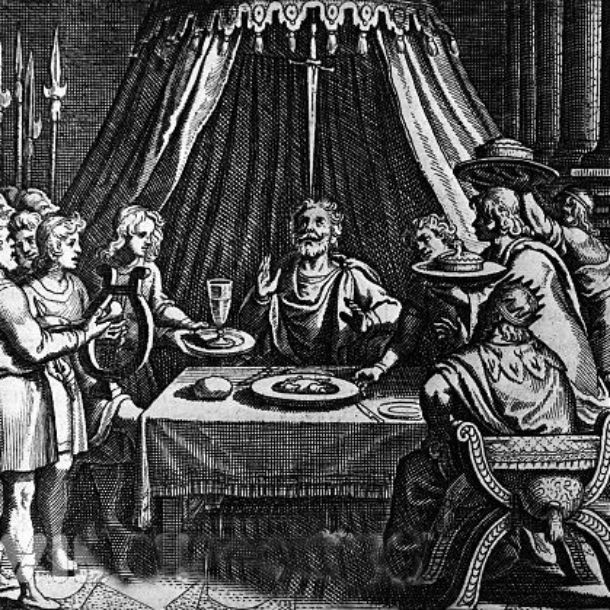
Damocles’ sword. Twice in Greek history the Spartans appear as heroes — when they fought under Leonidas in the pass of Thermopylae and when they marched under Xenophon from Babylon to the Black Sea. The rest of the time we…