The Parthenon
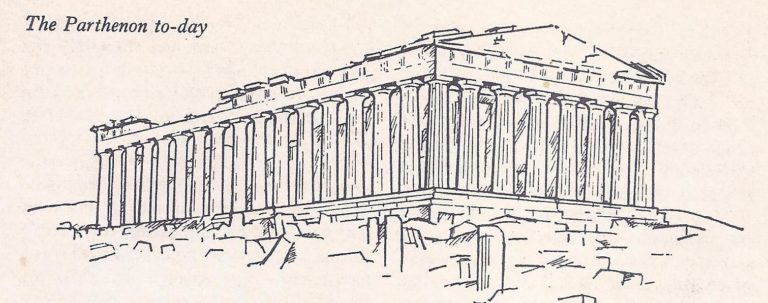
In the year 437 the Parthenon, which had been begun ten years before, was far enough advanced to contain a gigantic statue of Athena by the sculptor Pheidias. Enough of the Parthenon still survives to give an idea of how…
5000 Years of History. Wisdom. Heritage. Vision.
HELLENES AND GREEK HISTORY AT A GLANCE c3000 – 1400 Minoan Ages — Crete supreme. c1400 – 1100 Mycenaean Age — Mycenae and other Peloponnesian cities, inhabited by Achaeans, supreme. Sometimes called ‘Homeric Age’ because Homer, who lived much later, described it. c1100 – 800 Dark Ages — Dorian invasion. Greeks move into Ionia. Homer perhaps lived c 900. 800 – 600 Age of Colonisation — Colonies throughout Mediterranean and Black Sea. 776, First Olympic games. Delphic oracle gains influence. Spartan system established. 600 – 500 Sixth Century — Sometimes called the ‘Age of the Tyrants.’ Peisistratus at Athens. Solon and Cleisthenes found Athenian democracy. Philosophers and poets in Ionia and the islands. 500 – 400 FIFTH CENTURY DEFEAT OF PERSIANS (490, 480-479) ATHENIAN EMPIRE THE PERICLEAN AGE. FULL DEMOCRACY FOR ATHENIAN CITIZENS. WRITING OF HISTORY, TRAGEDY AND COMEDY. THE PARTHENON. SCULPTURE AND POTTERY. PELOPONNESIAN WAR (431-404). SOCRATES. 400 – 300 Fourth Century — Death of Socrates. Athens has lost her Empire, but her philosophers, orators and sculptors are famous. Greece submits to Philip of Macedon (338). Conquests of Alexander (332-323). c30 – 146 Hellenistic Age — Alexandria more important than Athens as centre of learning. Greece becomes part of Roman Empire(146). 146 B.C. – 328 A.D. — Greece part of Roman Empire. 328 – 1453 — Eastern Roman Empire or Byzantine Empire starting with founding of Constantinople. 1453 – 1821 — Greece under Turkish rule. War of Independence begins (1821). 1832 — Greece an independent kingdom. SOME PERSIAN KINGS Cyrus the Great (549 – 529) — First King of Persia. Conquered Croesus. Darius the Great (521 – 486) — “Remember the Athenians”. Xerxes I (486 – 465) — Second invasion of Greece. Artaxerxes II (45 – 362) — The “March-up Country”. Darius III (336 – 330) — Last King of Persia. Defeated by Alexander.
In the year 437 the Parthenon, which had been begun ten years before, was far enough advanced to contain a gigantic statue of Athena by the sculptor Pheidias. Enough of the Parthenon still survives to give an idea of how…
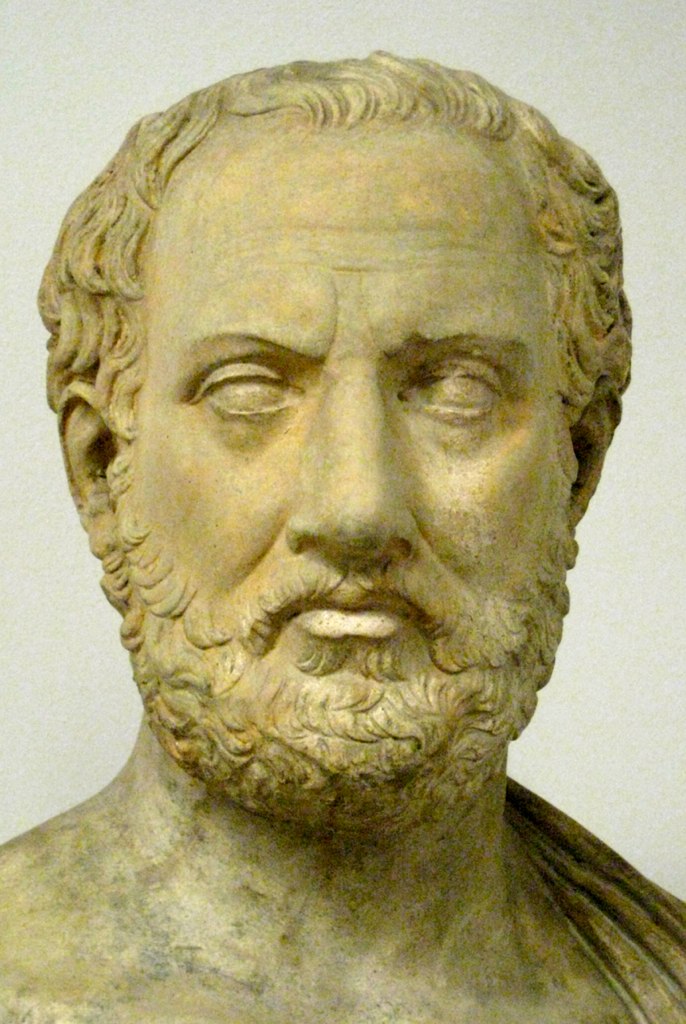
When Herodotus read his history in public, it is said that a youth called Thucydides was so moved that he burst into tears. Herodotus congratulated the young man’s father upon having so appreciative a son. Thucydides grew to be a…
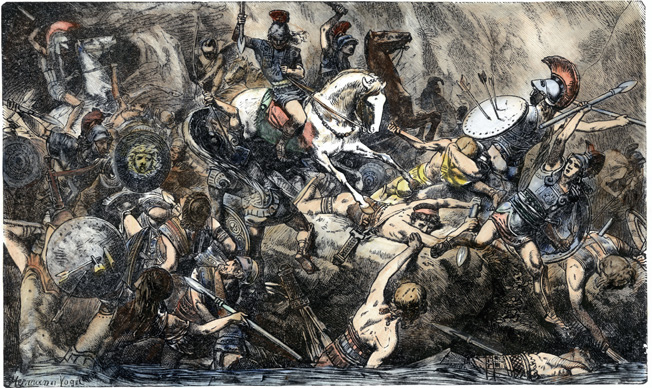
In spite of the fact that they had fought as allies against Persia, Sparta and Athens did not like each other any better when the war was over. In 478, when the Athenians started to rebuild their fortifications, Sparta objected…
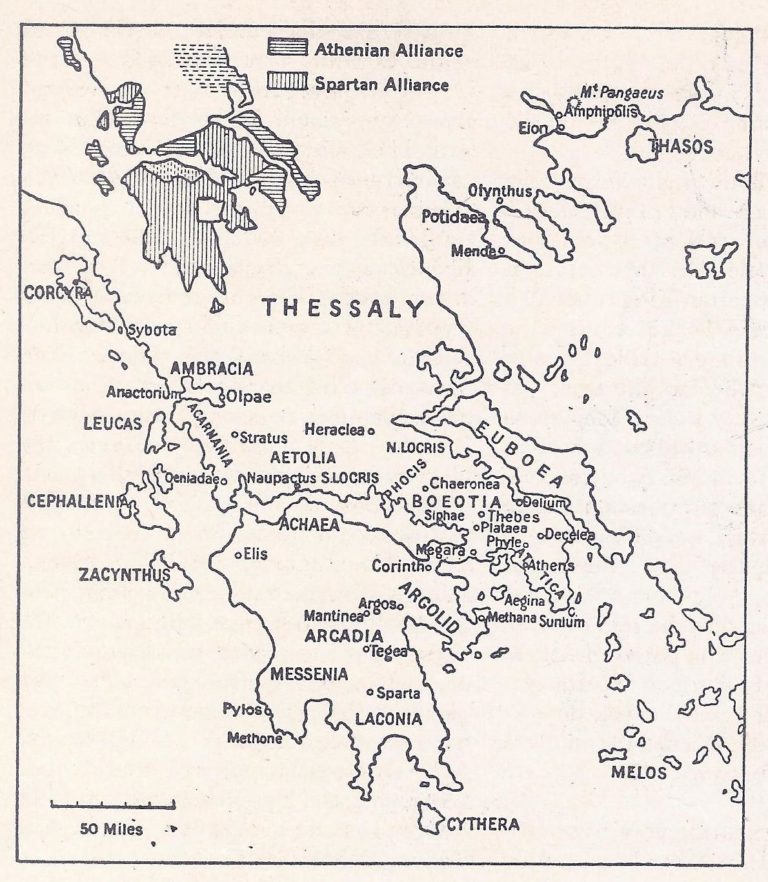
The Peloponnesian War began because Pericles was running our of time. In the first place Athens insisted on backing Corcyra in a quarrel with Corinth (435). Corcyra was a Corinthian colony and the mother-city resented interference in the dispute, particularly…
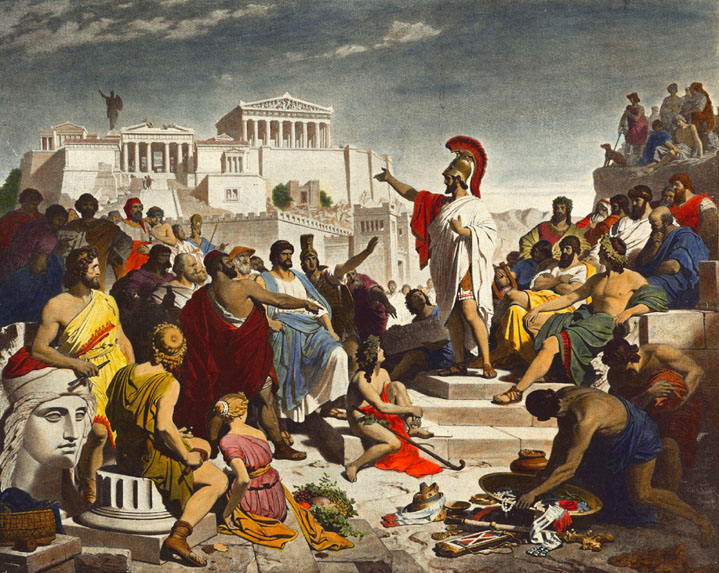
Athenian deaths were now a shadow of the past. When Aeschylus, in his play, the Persians, thanked the gods for the victory of Salamis, he was writing for an audience who still had religious faith, but in the years of…
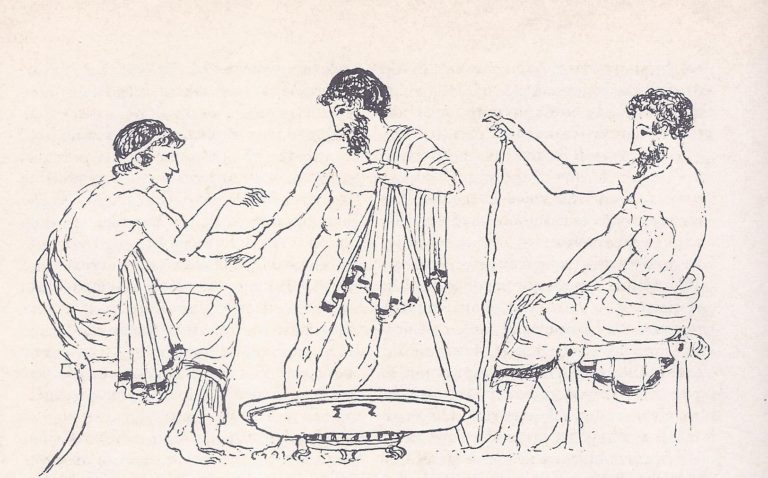
In Hippocrates’ time, if death was the end, what could be done to stave it off? Deprived of what we would now call the comforts of religion, could the Athenian at least rely on an efficient medical service? Herodotus describes…
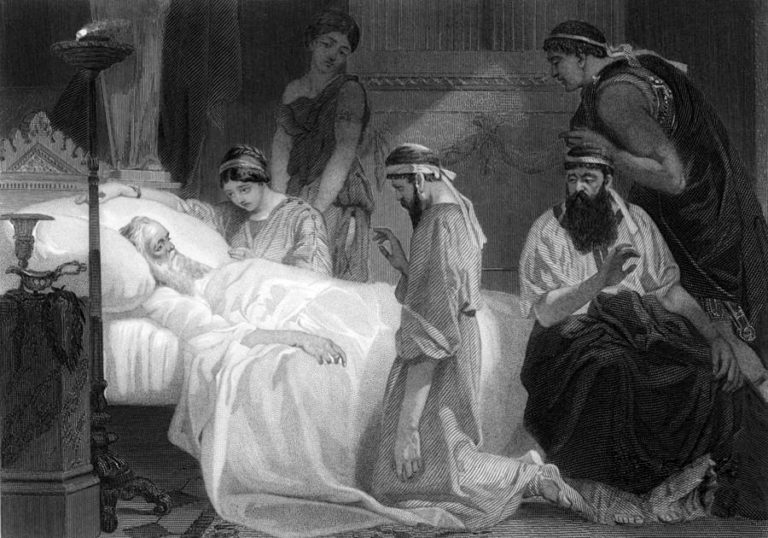
Before Pericles dies, the morale in Athens was low. For the second year in succession the Spartans had been allowed to lay waste to the countryside. This alone would have embittered public opinion. Now, in addition, there was the plague.…
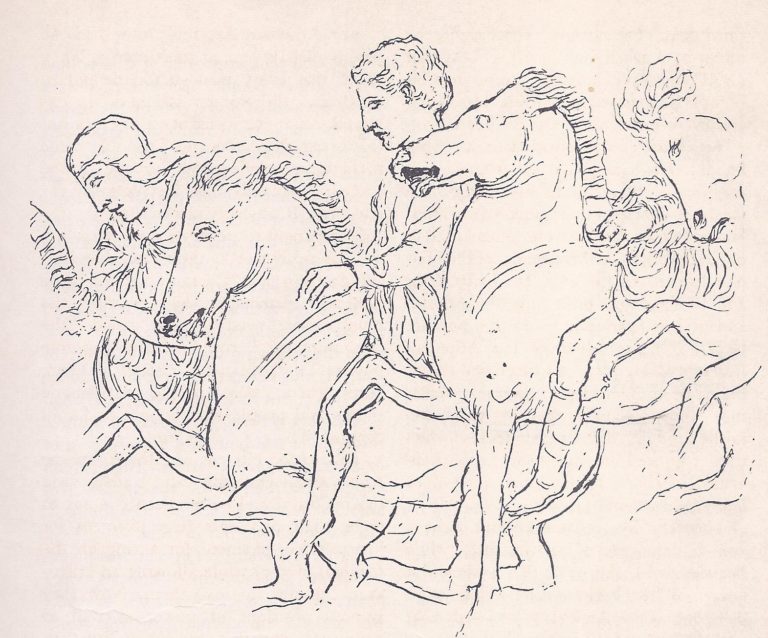
Cruelty showed itself only two years after Pericles was dead. In 428, after the usual spring invasion by the Spartans and before the Olympic games, which were being held as usual, Lesbos had revolted. The Spartans had promised to help…
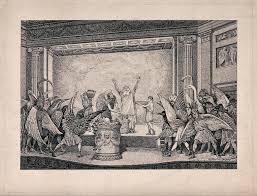
Not everyone approved of this policy. The country people, whose farms were being devastated every year by the invading Spartans, were ready for peace. So was Aristophanes. In 424 he won first prize with the Knights, a comedy in which…