World War I and the Peace that Failed
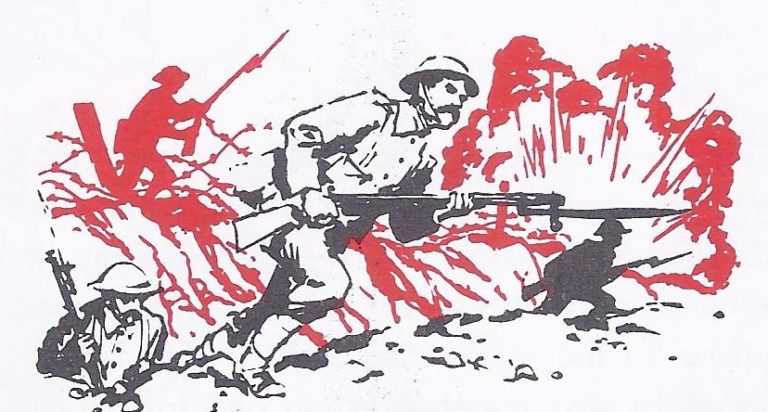
The soldier stood on the muddy “fire step” that reached, shelflike, the length of the deep trench. It was too dark to see his tired, mud-smirched face or to judge how old he was. He wore a steel helmet or…
5000 Years of History. Wisdom. Heritage. Vision.
The twentieth century saw the two most destructive wars in history. The wars came about through the clash of the great forces described in previous units –nationalism, the growth of science and industry and rivalry for power and empire. Since these forces were felt round the world, the conflicts they caused became “world wars.” So great was the destruction and loss of life that world peace became the chief necessity of our time and new world organizations were formed to achieve this goal. We learn how the rivalry between European powers finally exploded in World War II. Under the strain of this exhausting war, old empires toppled and subject peoples won the right to govern themselves. In Russia, however, affairs took a different turn. We describe how the Russian people, restless under the oppressive rule of the czars and weary of war, revolted in 1917, but power soon was seized by Communists who set up a ruthless dictatorship. Under Communist rule, the needs and rights of the Russian people were sacrificed to build up the industrial and military power of the state. During the 1920’s and 1930’s dictators also took over Italy and Germany. These dictators, Mussolini and Hitler, sought more land and power in a series of aggressions against other countries. Democratic peoples everywhere were alarmed at the way the dictators abused the rights of individuals and nations, but the democracies were reluctant to risk war by taking a firm stand against the dictators. Aggressions continued and World War II broke out. Reckless attacks by Germany and Japan finally brought together a powerful opposing alliance, which included Britain, the United States and Russia. These “United Nations” won the war and started on the difficult task of building a permanent peace.
The soldier stood on the muddy “fire step” that reached, shelflike, the length of the deep trench. It was too dark to see his tired, mud-smirched face or to judge how old he was. He wore a steel helmet or…
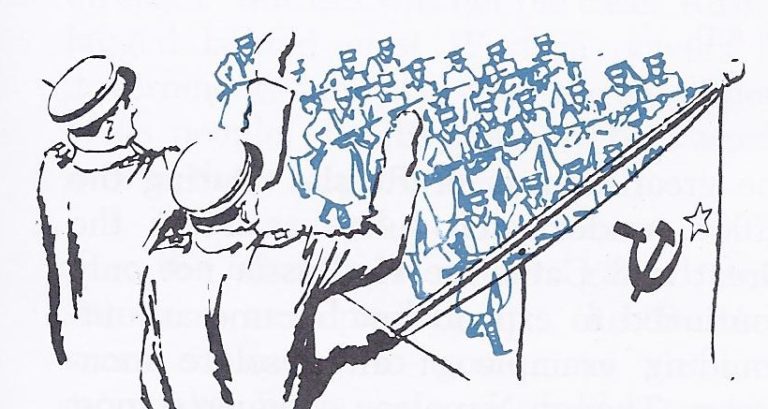
When the United States entered World War 1, President Wilson had stated that America’s aim in taking up arms was “to make the world safe for democracy.” The first results of the war seemed to show that this attempt had…
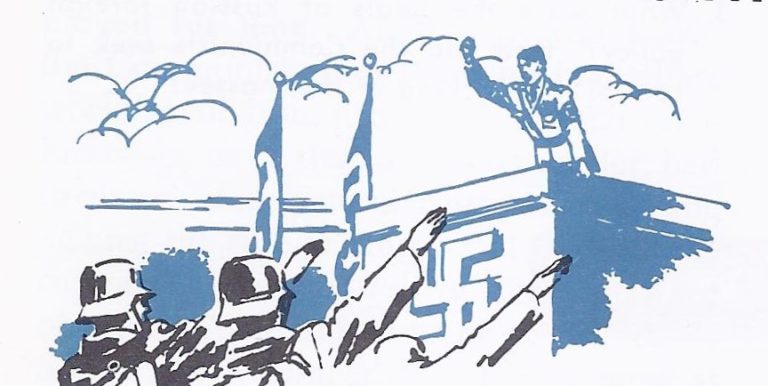
Dictators came to power in many European countries during the twenty years following World War I. About 9:20 P.M. on February 27, 1933, the rumble and clang of fire engines echoed through the heart of Berlin, capital city of Germany. Down the…
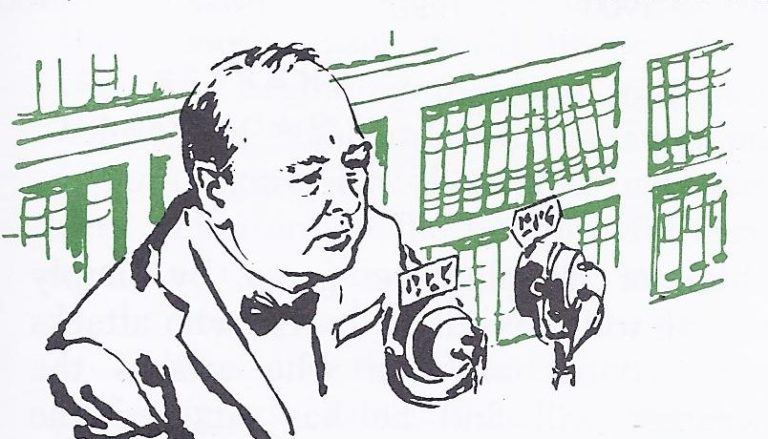
It was summer in 1939, vacation time for lots of people. No one knows how many Americans heard the voice of the British statesman Winston Churchill coming over the air on August 8, less than a month before World War 2 began. His…