Series Rise of Modern Nations (1485 – 1825 A. D.)

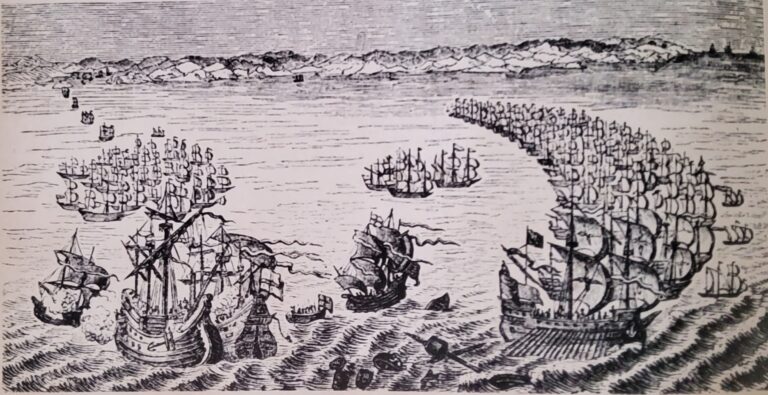
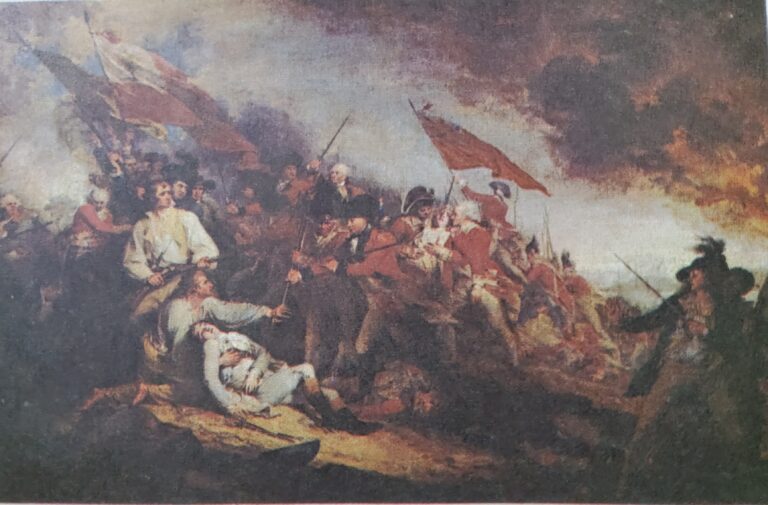
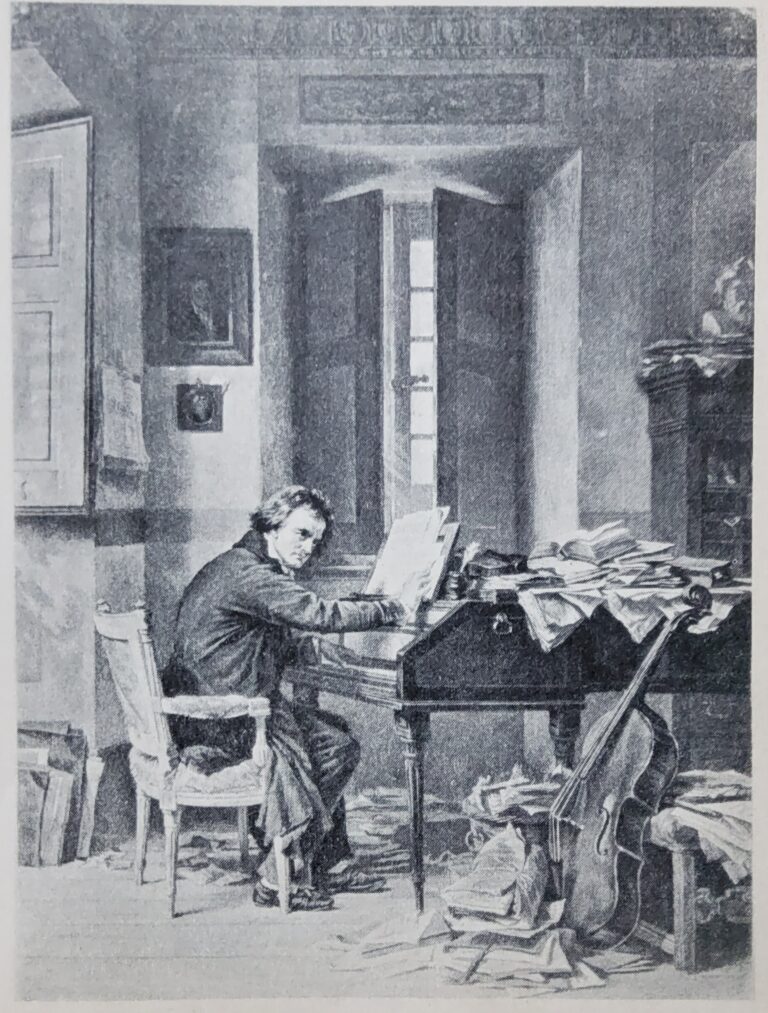
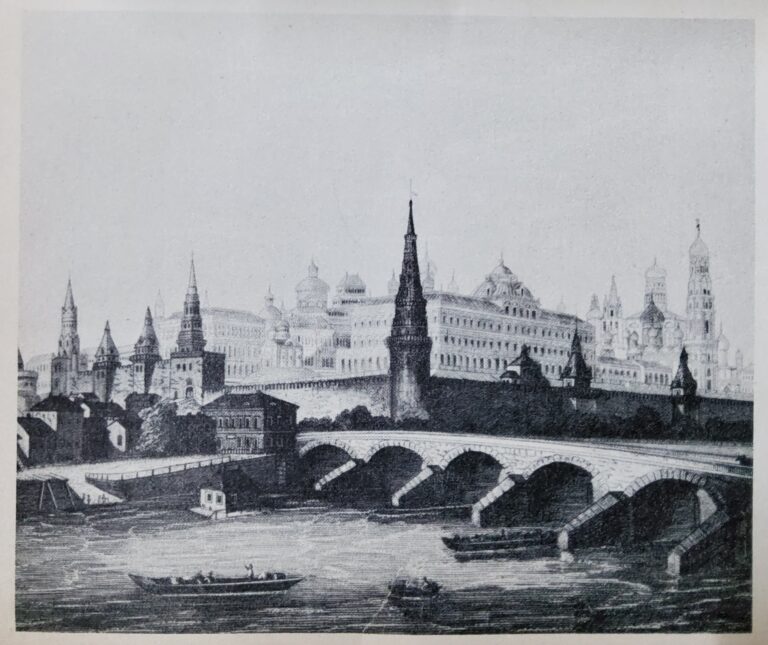
This period spans from 1485 to 1823 A. D. —from the time of the Renaissance to the year in which the Monroe Doctrine was stated. During those 338 years, many of the major countries of Europe won their way to statehood and independence. So did the colonies of England and Spain in the Americas. This period witnesses great changes in the political thinking and political institutions of the western world. During this period, Englishmen evolved the first modern system of parliamentary government and acquired a world-wide empire. The world’s first all-new democracy was founded in North America by freedom-seeking peoples from England and the Continent. By means of a bloody revolution, Frenchmen disposed of kings who claimed to rule by divine right. The states we know as Germany and Italy began to draw together. Russia broke its isolation and grew into a strong power, partly European, partly Asiatic. The French Declaration of the Rights of Man and the American Declaration of Independence and Constitution stirred many men to examine the individual rights of man and to seek democratic procedures in government. Surprisingly, the civilization which flourished in western Europe between 1485 and 1823 was filled with vitality and vigour. It believed heartily in itself; it believed in progress. The discovery of the Americas led many men to seek their fortunes and to carry their way of life to other lands. Millions of Europeans expended their energy in the building of overseas empires. In the meantime, the European economy changed from a local and agricultural base, to dependence upon industry and international trade. Machines took the place of men’s hands in manufacturing. Besides ushering in an industrial revolution, the great inventors, musicians, writers, scientists and thinkers of this period, contributed ideas which remain a significant part of our modern civilization and culture. 1400 1455 -1485 – Wars of the Roses — England 1457 – Henry VII establishes the Tudor Dynasty in England 1500 1519 – Cortes begins the conquest of Mexico 1534 – Ties with the pope broken by the Act of Supremacy in England 1588 – England defeats the Spanish Armada 1589 – Edict of Nantes issued by Henry IV of France. 1600 1603 – The Stuart Dynasty begins to rule England 1607 – Jamestown founded, England’s first permanent settlement in the New World 1613 – Beginning of the Romanov Dynasty in Russia 1648 – Peace of Westphalia ends the Thirty Years’ War in Germany 1682 – Peter the Great begins his reign in Russia 1689 – English Bill of Rights establishes rule by Parliament 1700 1740 – Frederick the Great begins his rule of Prussia 1776 – Declaration of Independence signed — United States 1787 – United States adopts a democratic Constitution 1789 – The French Revolution and a reign of terror burst upon France 1800 1803 – Napoleon sells Louisiana to the United States 1806 – Holy Roman Empire brought to an end 1815 – Napoleon defeated at the Battle of Waterloo 1815 – The Congress of Vienna tries to return Europe to the old regime This category surveys the rule of strong Tudor monarchs, weak Stuart rulers and the final establishment of constitutional government in England. Parliament became the real ruler of England; sovereigns could reign but not rule. During this period, Great Britain began building what became the world’s greatest empire of the nineteenth century. Meanwhile, France was dominated by absolute monarchs until a bloody revolution was staged and Napoleon ultimately ruled, while he conquered much of Europe. His dream of empire was finally shattered by the British navy and a four-power alliance was formed by Great Britain, Austria, Prussia and Russia in the hope of keeping the world at peace. While England and France were emerging from the Middle Ages as strong centralized nations, the German and Italian states remained weak and disunited. Germany had hundreds of independent states until Napoleon cut them to thirty-eight. Italy had powerful city-states but no sense of unity. The foundations of a Russian Empire were being laid during this period, but the Russian people did not share in the democratic reforms which were beginning to sweep over Europe. Spain and Portugal dared to explore new trade routes, discovered the New World and acquired the makings of an empire. Philip II, who ruled both countries for years, was forced to acknowledge Dutch independence.