The Greeks Lead the Way
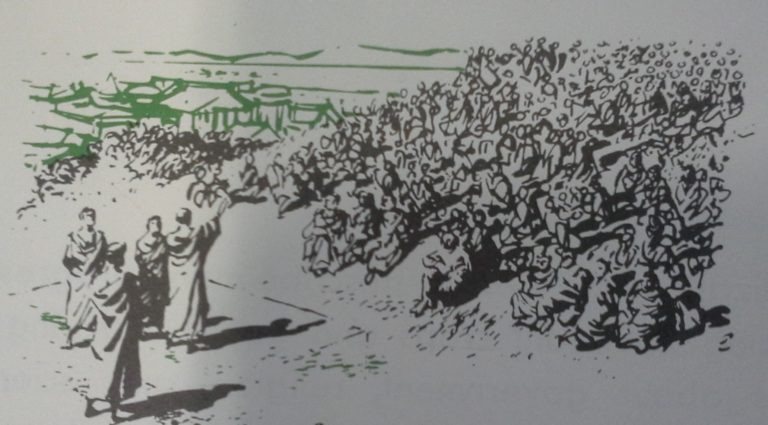
If you had been a citizen of the ancient Greek city of Athens on a fine spring morning in 409 B.C., you would have gathered with thousands of your fellow citizens on a hillside inside the city. You would then…
5000 Years of History. Wisdom. Heritage. Vision.
The word civilization is used to describe man’s progress in ways of living – producing abundant crops and goods, carrying on trade, developing ideas about government, religion and science, expressing these ideas in language and pictures. Peoples who groped their way toward better living become, as we say, civilized. In study civilizations of other early peoples, we learn that each of these peoples, to be sure, borrowed from others with whom they came in contact, but each developed a distinct civilization or way of life of its own. Their achievements not only affected the world of their own times, but have had an important influence down through history. The civilizations of Greece and Rome, for example, directly affected what we call the Western World Europe and the Americas. The civilizations of China and India, on the other hand, have been particularly important in shaping the lives and history of Asian peoples. Religion furnishes a good example of the influence of early civilizations on our world today. Christianity, which began in ancient Palestine, become the official religion throughout the Roman Empire. Rome in turn passed Christianity on to Europe and it become the dominant religion of the Western World. Both Hinduism and Buddhism which claim millions of followers in Asia today began in early India. We learn more through the story of the Greeks. The modern world owes much to the Greeks for their belief in free government and their achievements in literature and the arts. We learn about the Romans, who excelled in war, government, law and engineering. We take a long look backward to the early civilizations of India and China which were passed on over many centuries to other Asian peoples. Finally, we learn about the Arabs, who not only developed their own civilization, but preserved and passed on many of the accomplishments of ancient peoples.
If you had been a citizen of the ancient Greek city of Athens on a fine spring morning in 409 B.C., you would have gathered with thousands of your fellow citizens on a hillside inside the city. You would then…
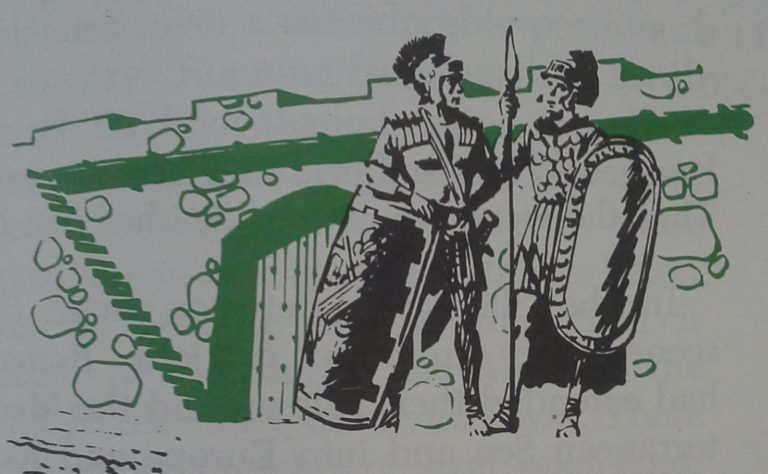
Today we speak the words, “I am a World citizen,” with pride. To the people of the ancient world the statement, “I am a Roman citizen,” was a badge of high honour. Beginning as a small city state in Italy,…
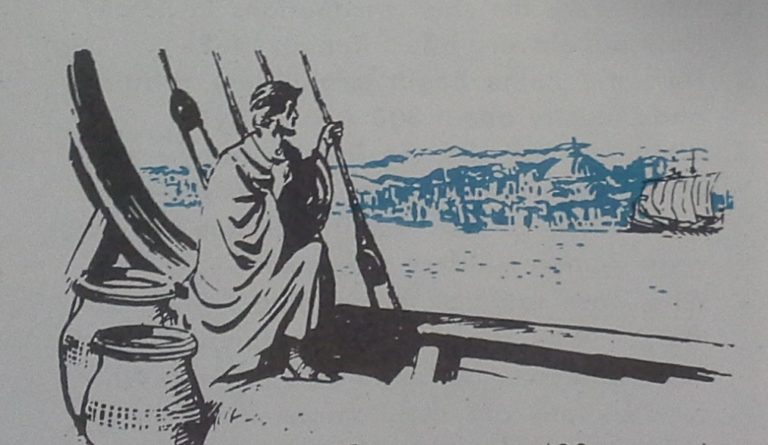
Christianity was the movement that spread Across the Roman Empire Pointing the way for the rest of the ancient world toward belief in a single God. The year is 400 A.D. Andropolos paces impatiently up and down the deck of…
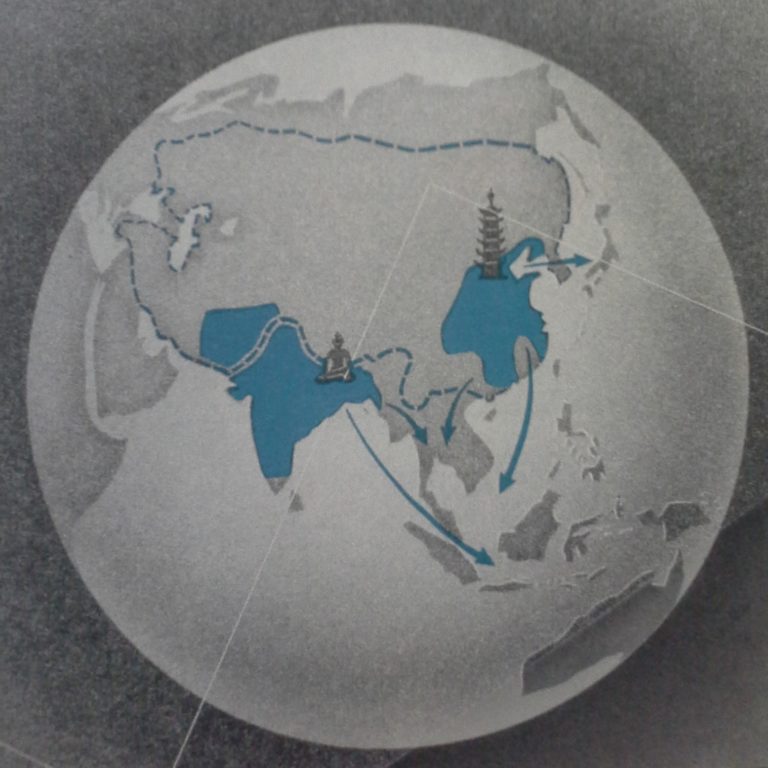
Two hundred years before Columbus discovered America, a certain Marco Polo told strange, exciting stories to his friends and neighbours in Venice, a city in northern Italy. He had travelled, he said, to distant lands in Asia and had become…
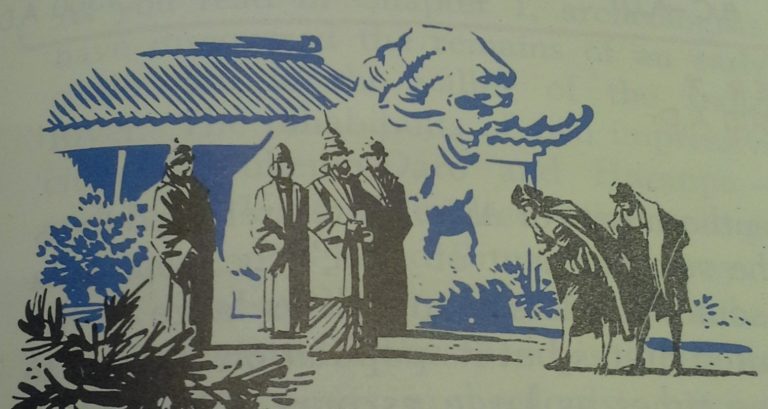
In the same way that important ancient civilizations grew out of small beginnings in the valleys of the Nile, the Tigris-Euphrates and the Indus, so another great civilization of Early times — that of China — was cradled in the…
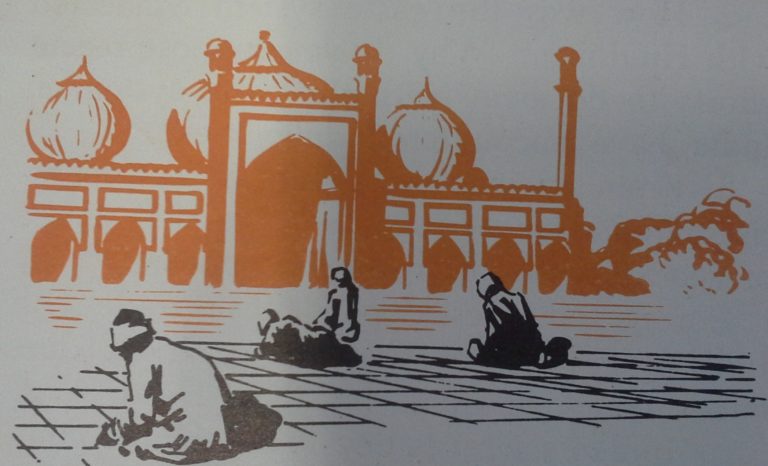
Thirteen and a half centuries ago a new religion began in Arabia. Today millions of people are followers of this religion. It is called Islam and its followers, Moslems. All their lives long, Moslems must pray, in ways clearly prescribed,…