Series Middle Ages (500 A. D. – 1300 A. D.)

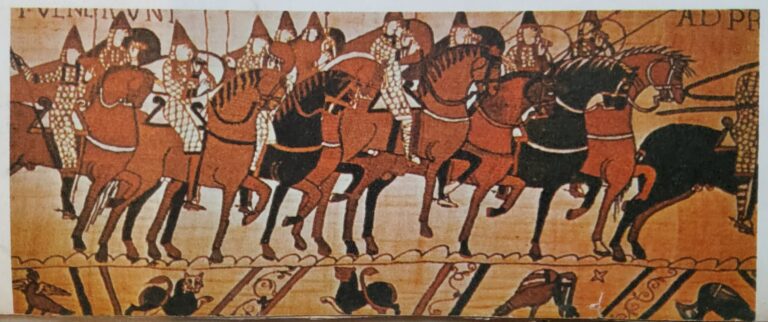
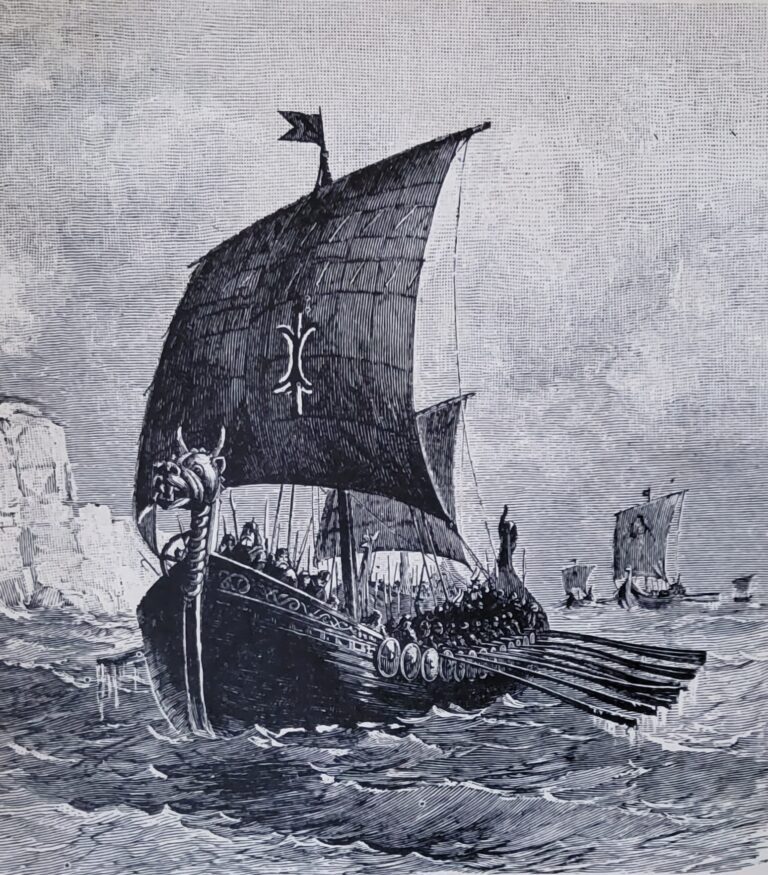
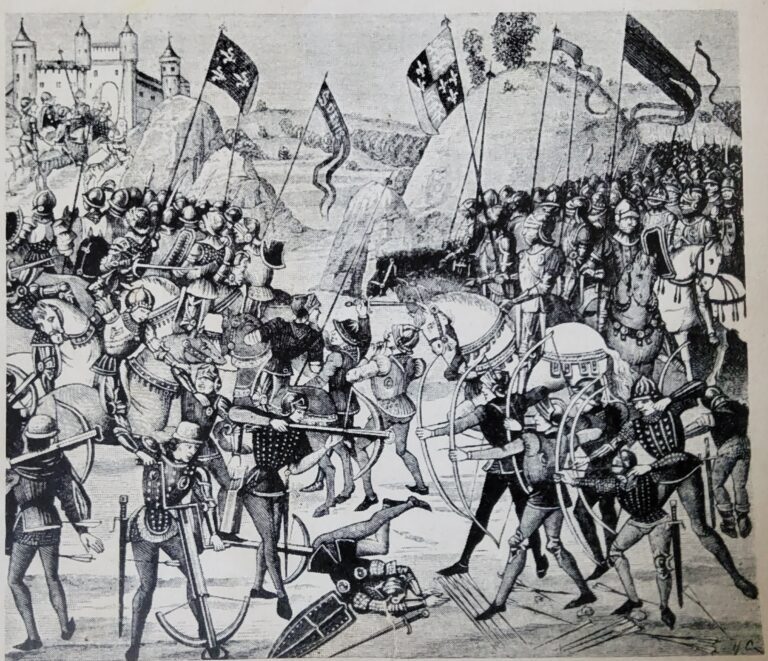
Middle ages in time, spans a period that began about 500 A. D. The earlier period sketches the rise of Western Civilization, the civilization that flourished in the countries of western Europe and later in the countries of the New World. The Middle Ages, was a period when the barbarians of northern Europe were establishing themselves throughout the former Roman Empire which they had wrecked and overrun. The period ended with the rebirth of interest in Greco-Roman civilization that later became the Renaissance. During the first 500 years of this period the lamp of learning burned low, but the Christian Church and feudalism kept the flame alive. The doctrines and practices of the Church, with its centre at Rome, were the major unifying forces in western Europe and in restoring some of the law and order that had characterized the Roman Empire. Feudalism was likewise a formidable force for maintaining law and order while the Roman and Germanic cultures were being blended. Based on landholding and supported by serf labour, feudalism furnished the basic pattern of life in the Middle Ages. The Middle Ages witnessed the rise and spread of a powerful rival to Christianity, the Moslem religion and culture. The crusades, staged to combat the influence of the Moslems in the Holy Land, failed to restore Palestine to the Christians, but they made Europeans aware of the superior material civilization that had been developing in the Far East, while Europe struggled. India and China, but especially China, were far more advanced than Europe in such material comforts as beautiful clothing, fine dishes and attractive foods. The crusaders, returning to their homes in Europe, helped to spread in the West the superior standard of life enjoyed by the wealthy in the East. During the thousand years of this period, various peoples strove to evolve forms of government suited to their needs. Through a long series of faltering steps, attended by wars and other setbacks, the English gradually developed a pattern of representative government, that became our heritage and ultimately influenced the forms of government adopted by many of the other emerging nations. By the end of the period, England, France and Spain had emerged as nation-states, Germany and Italy, on the other hand, existed as geographic regions on the map, but they did not become nations until the nineteenth century. 500 A.D. c. 500 – Catholic Church supplants Roman Empire 527 – Justinian begins reign in Constantinople c. 618 – T’ang Dynasty begins in China 622 – The Hegira of Mohammed 700 A.D. c 711 – Arab Moslems enter India 732 – Moslems defeated at Battle of Tours—France 800 – Charlemagne crowned emperor in Rome 843 – Treaty of Verdun divides Charlemagnes empire in France 900 A.D. c. 900 – Feudalism supreme in Europe 962 – Otto of Saxony crowned Holy Roman Emperor — Rome c. 1050 – Rapid development of towns in Europe 1066 – Battle of Hastings — England 2095 – Council of Clermont instituted the crusades in France 1100 A.D. c. 1133 – Legal reforms of Henry II in England c. 1192 – Origin of shogunate rule in Japan c. 1200 – Development of universities in Europe 1215 – Magna Carta signed by King John — England c. 1259 – Kublai Khan rules China 1295 – Edward I calls model Parliament — England 1300 A.D. 1394 – 1460 – Henry the Navigator — Portugal c. 1397 – Delhi looted by Tamerlane — India 1453 – Constantinople taken by the Ottoman Turks c. 1454 – Gutenberg Bible printed in Germany 1492 – Columbus found the New World 1498 – Vasco da Gama reached India