Stepping-Stones for the West, 1869
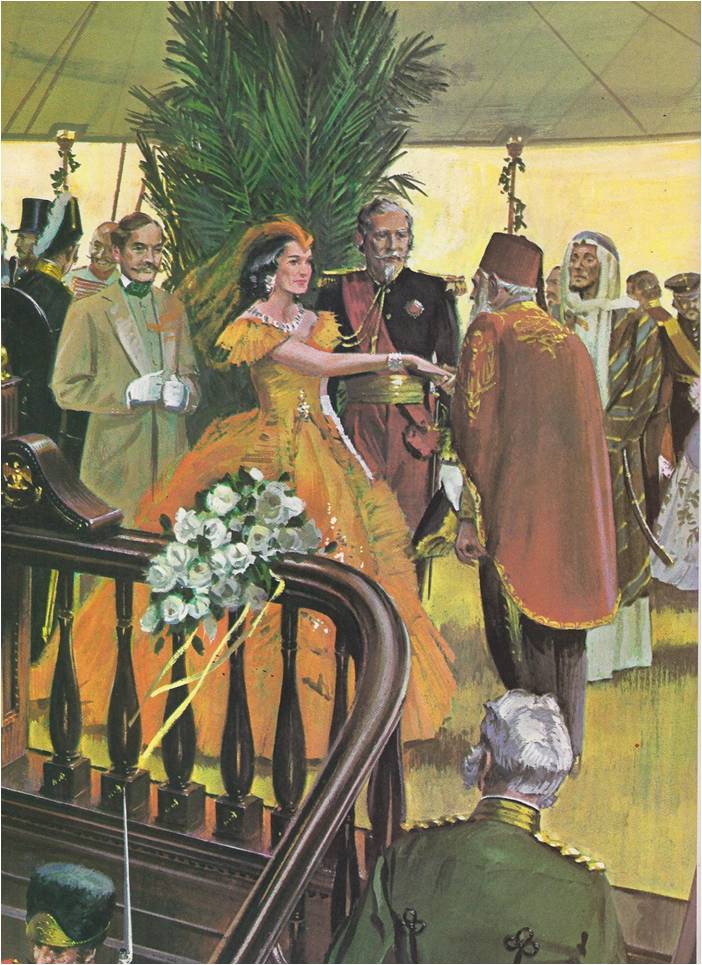
ON NOVEMBER 16, 1869, the sun rose over the eastern end of the Mediterranean Sea and shone on the blue water. The squat buildings of Port Said, on the shore of Egypt, glowed against the clear sky. A new town,…
5000 Years of History. Wisdom. Heritage. Vision.
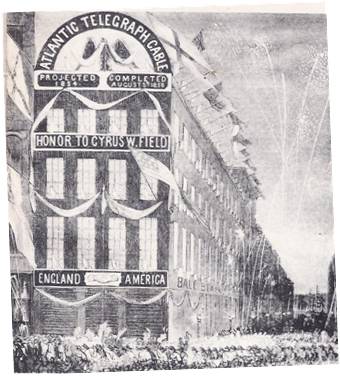
Important events and dates – Imperialism and World War I 1841 – 1898 1841 England defeats China in the First Opium War. 1853 Perry visits Japan. 1854 Perry returns to Japan and signs a treaty opening two ports to American ships. 1856 The Second Opium War; English and French win special rights in China. 1857 The Sepoy Revolt is put down and England consolidates her rule in India, considered an event of Imperialism. 1865 With the end of the Civil War, the United States begins to industrialize rapidly. 1866 Completion of the transatlantic telegraph cable. 1867 Japan is reformed by the emperor and begins to industrialize. 1869 The Suez Canal in Egypt and the transcontinental railway in America are completed, opening new markets to industry. 1871 Prussia unifies Germany, becoming the German Empire. 1875 England buys a controlling interest in the Suez Canal. 1876 Bell invents the telephone. 1877 Russia conquers several Turkish provinces. 1878 The Congress of Berlin keeps peace in Europe by giving the powers parts of Turkey. 1882 Germany, Austria-Hungary and Italy form the Triple Alliance, pledging to aid each other in case of war; Leopold of Belgium acquires the Congo; Egypt becomes a British protectorate. 1883 France takes Annam from China and combines it with other colonies to form Indochina. 1884 The Berlin conference recognizes the Congo and sets up standards for African colonies. 1894 Japan seizes Korea from China; France and Russia form the Dual Alliance. 1895 The Boers repel the Jameson raid in the Transvaal. 1896 The kaiser congratulates Kroger of the Transvaal on the defeat of Jameson; great indignation in England. 1898-1901 The Boer War. 1898 British and French forces meet at Fashoda in Africa; war between Spain and the U.S.; the U.S. conquers Puerto Rico, the Philippines and annexes Hawaii. Important events and dates – Imperialism and World War I 1841 – 1898 1899 The Boxer Revolt in China is suppressed by the western powers. 1904 War between Russia and Japan; Japan wins and retains Korea; the U.S. helps Panama gain independence from Colombia and begins construction of the Panama Canal. 1905 The kaiser delivers a speech in Morocco, causing a crisis with France. 1907 England joins France and Russia in the Triple Entente. 1908 The Young Turks revolt, restore the Turkish constitution and begin to modernize Turkey. 1911 A German gunboat arrives in Morocco, causing a severe crisis; France cedes parts of the Congo to Germany; Sun Yat-Sen establishes the Republic of China. 1912 Bulgaria, Serbia and Greece attack Turkey in the first Balkan War. 1913 Serbia, Greece, Rumania and Turkey attack Bulgaria in the Second Balkan War. 1914 Serbian terrorists assassinate Ferdinand of Austria; Austria attacks Serbia and World War I begins. German armies sweep into France but are forced back at the Marne; trench warfare begins. 1915 Heavy losses on the western front; Italy attacks Austria; America is aroused when a German submarine sinks the Lusitania. 1916 Germans attack but fail to capture Verdun; the Allies attack along the Somme and gain 7 miles; the cost of the two engagements is over 11/2 _million lives; German and British fleets fight the battle of Jutland. 1917 Germany begins unrestricted submarine warfare: the tsar is overthrown; the U. S. enters the war; heavy losses lead to widespread mutinies in the French army; the Bolsheviks take power in Russia and sign an armistice. 1918 Bolshevik Russia makes peace with Germany; the kaiser is overthrown; Germany and the Allies sign an armistice, ending World War I. 1919 The treaty of Versailles; the League of Nations. 1920 The US. Senate refuses to ratify the Versailles treaty or join the League of Nations.
ON NOVEMBER 16, 1869, the sun rose over the eastern end of the Mediterranean Sea and shone on the blue water. The squat buildings of Port Said, on the shore of Egypt, glowed against the clear sky. A new town,…
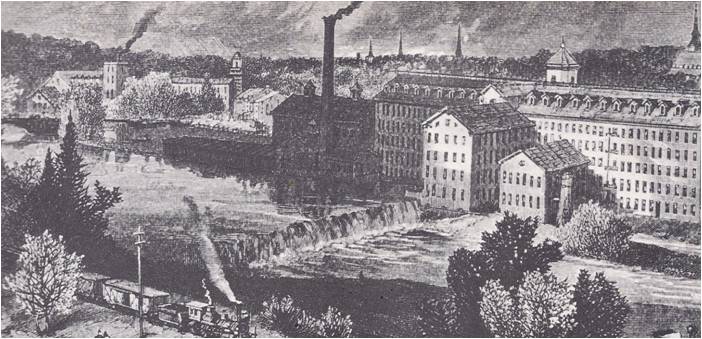
VETERANS or the Union Army, returning to their home towns in New England or the Middle Atlantic states after the war were surprised at what they saw. They had grown up in towns where most of the people lived by…
WHILE INDUSTRY was transforming the United States, the same thing was happening in Western Europe. The change was most noticeable in Germany, because Germany was not unified until 1870, it started to become industrial much later than Great Britain and…
While the peoples of the West were concerned with the problems that grew out of industrialization, their governments were taking part in one of the greatest land grabs in history. By the end of the nineteenth century they had brought…
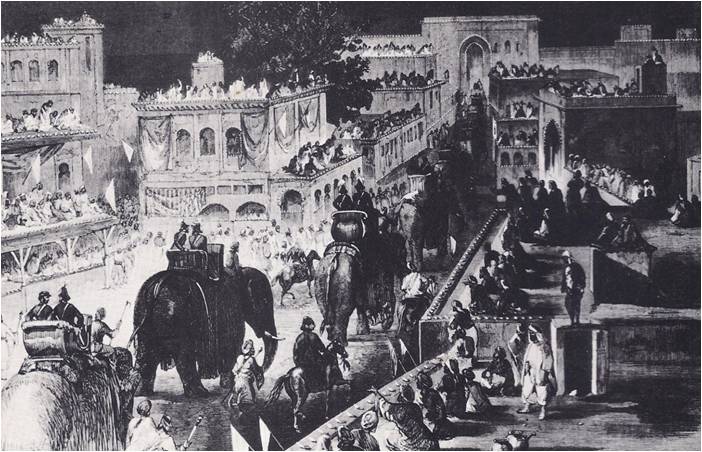
In 1856, Great Britain was at war with Russia in the Black Sea area and with the Chinese emperor in south China. Many British troops had been withdrawn from India to fight on these battlefronts. As a result, nine-tenths of…
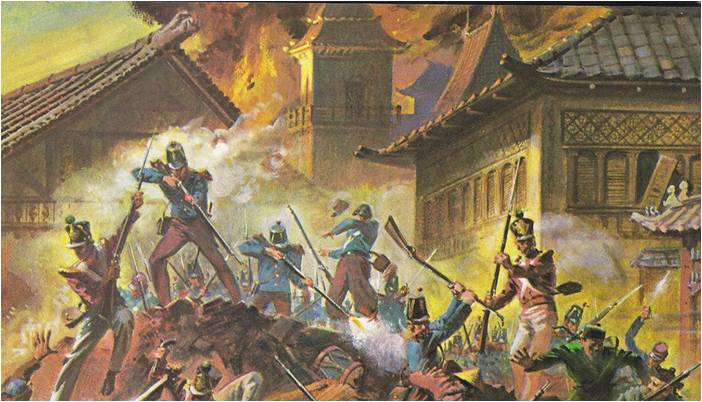
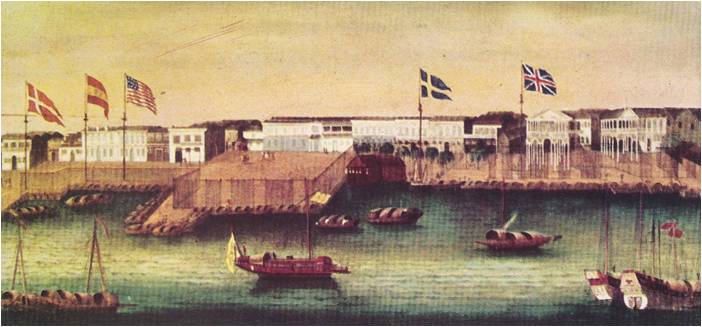
China, that immense portion of East Asia bounded by the chilly Amur River and the hot jungles of Indo-China, by the Pacific Ocean and the Himalaya Mountains, was the most populous country on earth. For thousands of years, China had…
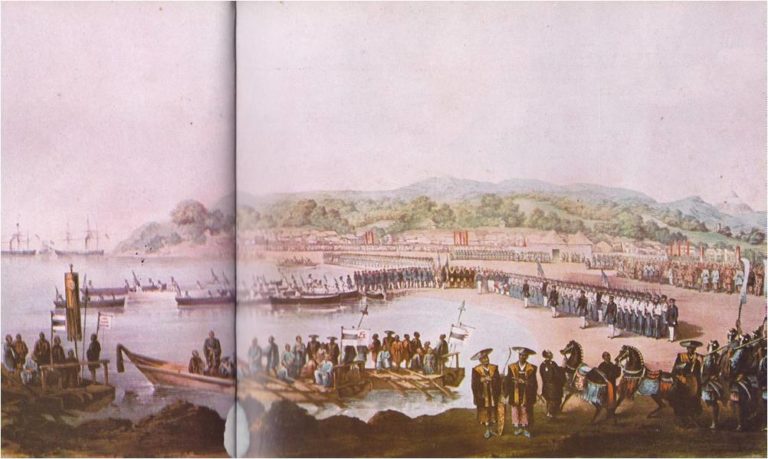
The date was July 8, 1853; the place, Yedo, a sprawling collection of wooden houses overlooking an arm of the Pacific Ocean. Yedo, later known as Tokyo, was the chief city of the Japanese islands, off the east coast of…
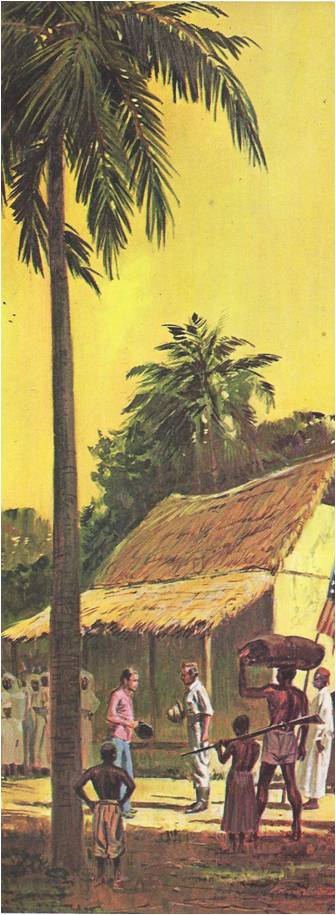
Africa, the second largest continent in the world, extends south from the Mediterranean Sea four thousand miles. Along its north coast is a strip of land known to Europeans since ancient times. South of this strip lie mountains and deserts.…
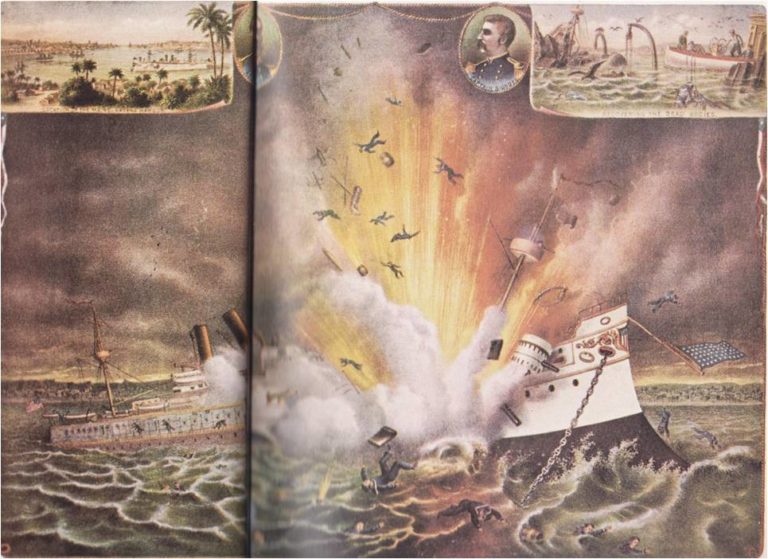
THE UNITED STATES entered the race for colonies last of all the powers, at the end of the nineteenth century. Long before then, however, Americans were accustomed to taking over territory; they had, in fact, built their country westward from…