What is History?
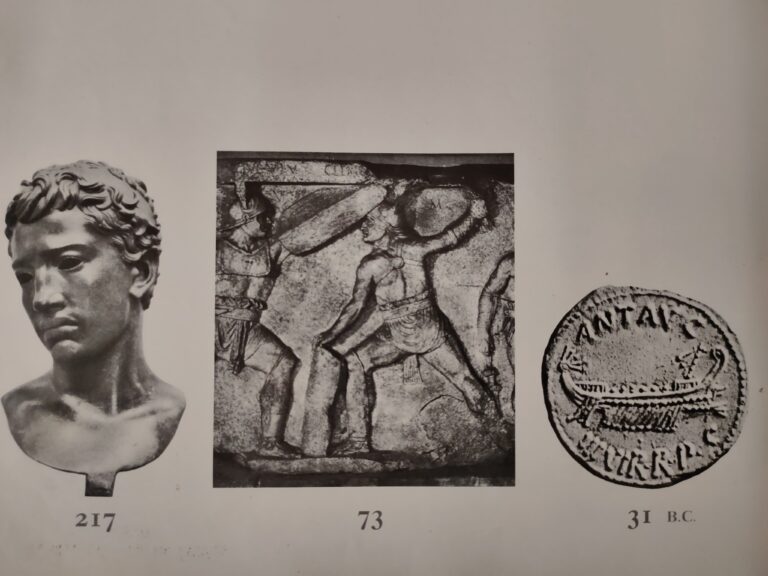
Many answers have been given to this question. To most people it is undoubtedly the record of past events, but a moment’s reflection will show that it is not a record of everything that has happened, whether the subject be…
5000 Years of History. Wisdom. Heritage. Vision.
Explore the Ancient History BC section at World History Volume, your complete guide to the world before the Common Era. This category covers the rise and fall of the earliest human societies, from prehistoric communities to the great empires of the ancient world. If you are a student, teacher, or history enthusiast searching for reliable articles on early civilizations BC, you will find clear timelines, detailed narratives, and original source-based accounts here.
Begin with the foundations of humanity, including Peking Man, Neanderthal Man, Homo Sapiens, the Mesolithic Age, and the Bronze Age. Learn how agriculture developed in China, how Eridu was founded near the Euphrates, and how settlements grew in the Indus River Valley. Discover how Egypt was united under Narmer, how the Pyramid of Khufu was built, and how powerful rulers like Sargon of Akkad, Hammurabi of Babylon, and Ramses II shaped the ancient Near East.
The collection also explains the history of ancient Egypt, Mesopotamia and Sumer, the Hittite Empire, Shang Dynasty China, and early India. Follow the story of the Israelites, the Assyrian Empire, and the Persian Empire under Cyrus the Great and Darius the Great.
For classical antiquity, dive into ancient Greece history, from the Minoan Age and Mycenaean Age to the Dark Ages, the Age of Colonisation, and the birth of Athenian democracy. Read about Sparta and Athens, the Persian Wars, the Peloponnesian War, Socrates, and the conquests of Alexander the Great. Continue into the rise of the Roman Republic, the Punic Wars, and the transformation of the Mediterranean world.
Every article in this Ancient History BC category is written in simple, readable language with dates, maps, and key events, making it ideal for school projects, exam preparation, and general knowledge. Start exploring today to understand how ancient cultures, wars, religions, and inventions created the foundation for the modern world.
Many answers have been given to this question. To most people it is undoubtedly the record of past events, but a moment’s reflection will show that it is not a record of everything that has happened, whether the subject be…
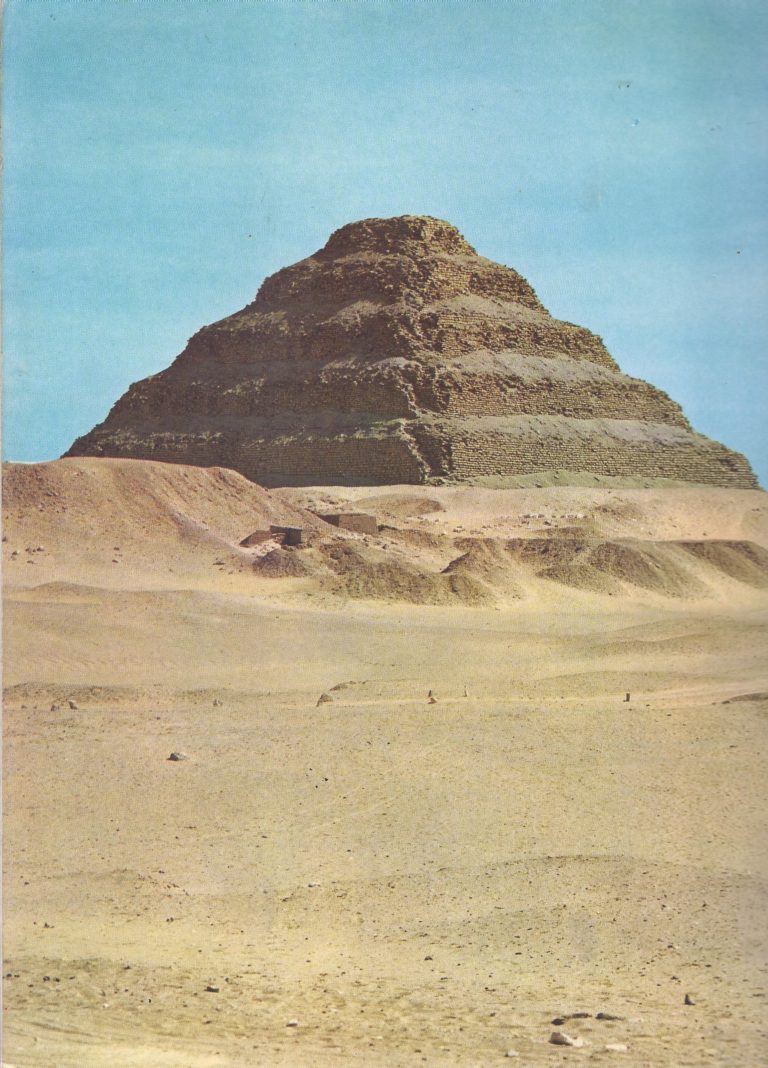
On the long road to civilization, the emergence of the national state –particularly in the context of the world in which we live — is of paramount importance in 3000 BC. Although other countries, in particular Mesopotamia, modern day Iraq,…
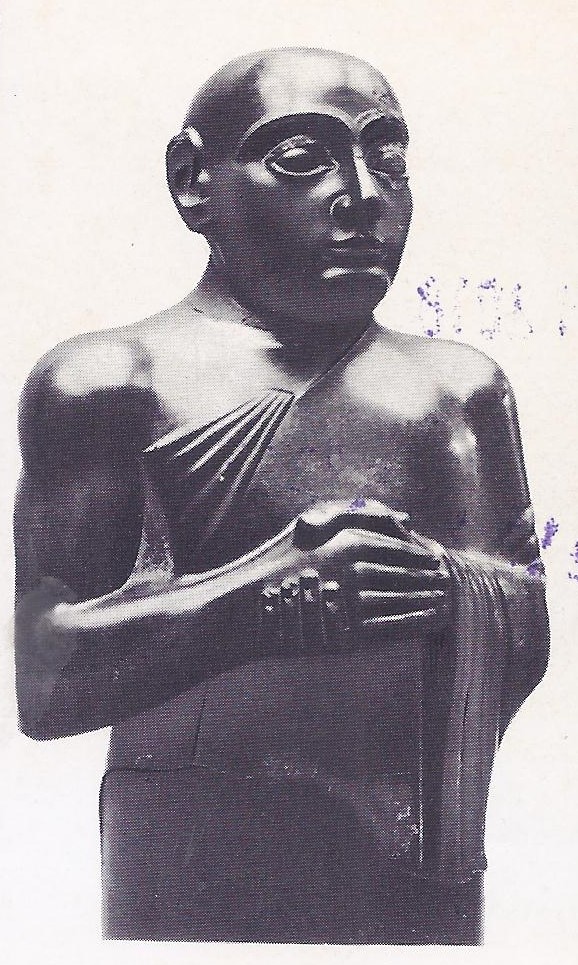
Early culture, between 3000 to 1750 BC, in Mesopotamia, the land between the rivers, another civilization is already far advanced. The ancient Egyptians can be said to have been the first ancient people to create a national state. Another ancient…
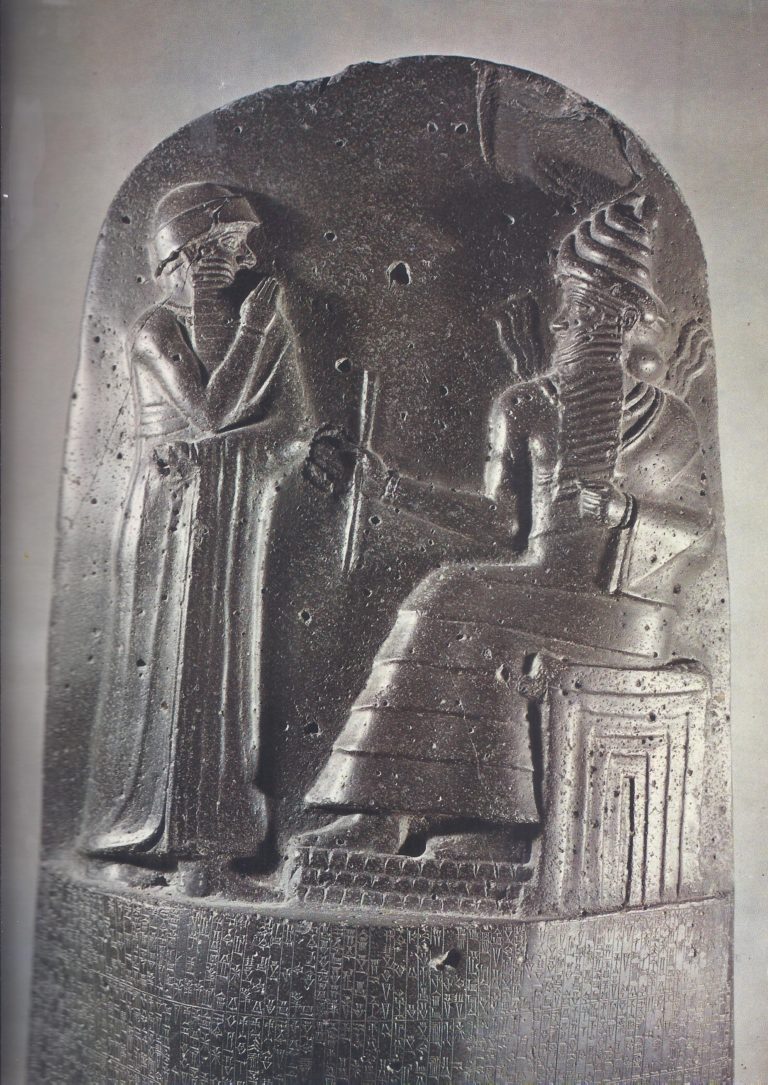
As the political state evolved, the problem of its administration evolved too. The territory ruled over by Hammurabi of Babylon was composed not simply of two adjacent areas with similar characteristics — as in Narmer’s Egypt — but of former…
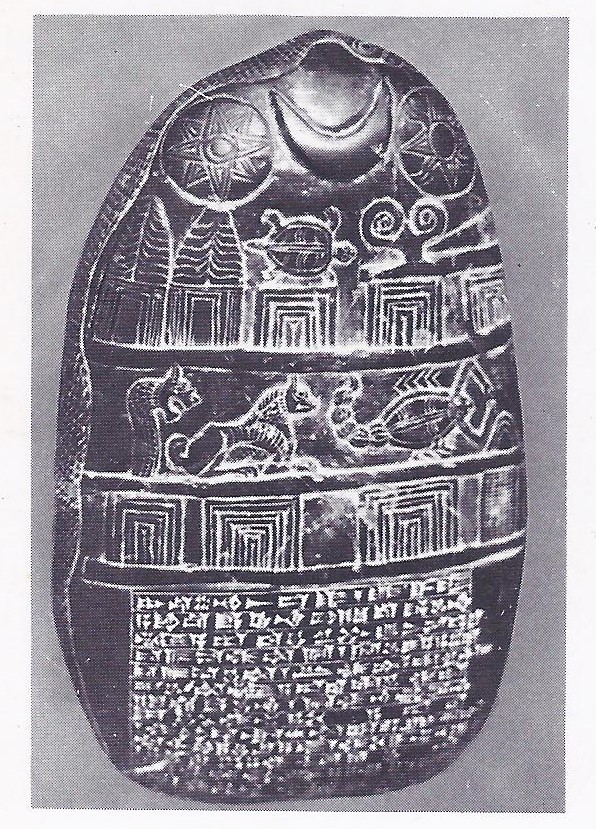
Hittites, a new power, arises in the Near East and Babylon is eclipsed. The Babylonian kings who followed Hammurabi were unable to hold the wide territories that he had won. New enemies challenged the supremacy of Babylon in Mesopotamia; the…
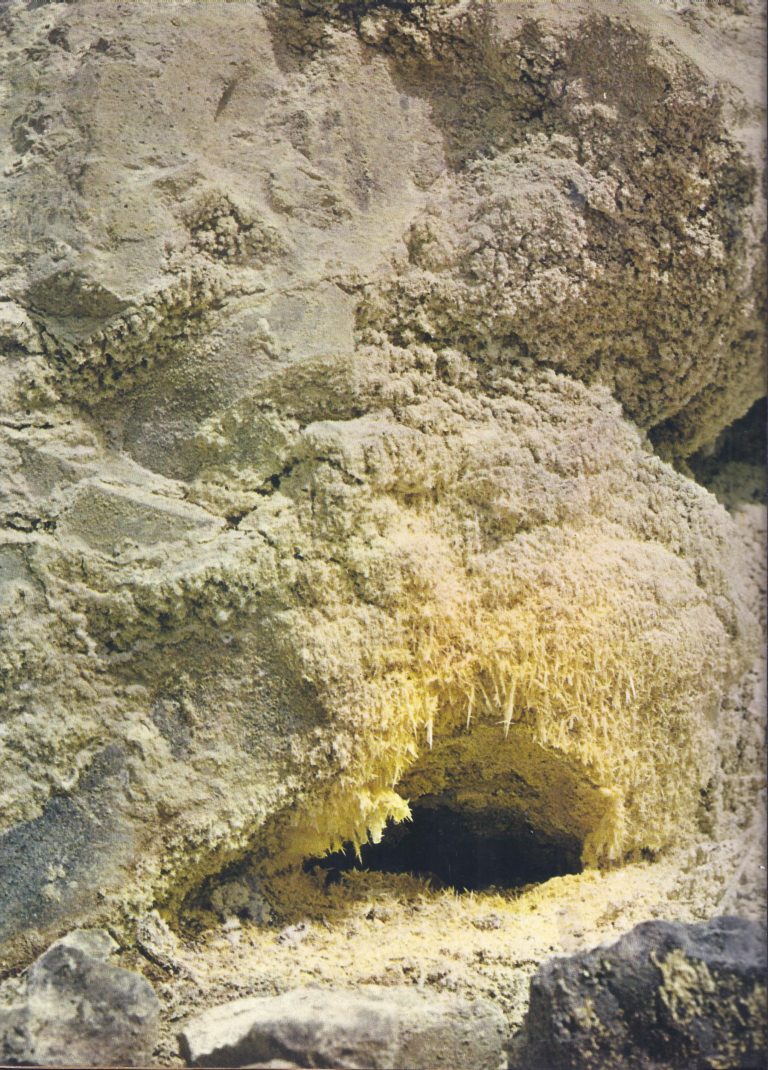
By 2000 B.C. Crete, and its out post the island of Santorin, was the home of a remarkable, flourishing civilization. Known as Minoan, after the legendary King Minos, this civilization ranks with Mesopotamia and Egypt as one of the great centres…
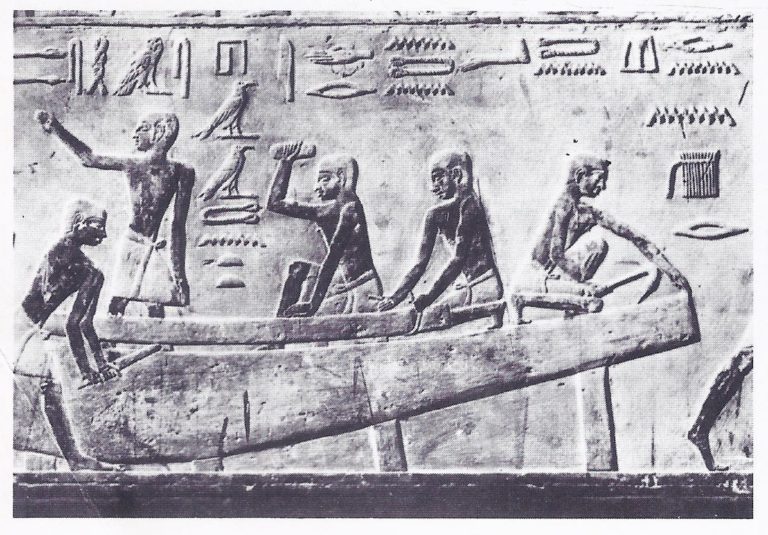
We have seen that after the fall of Babylon in 1530 B. C. and the collapse of the Amorite kingdoms of the Euphrates area and North Syria, new peoples of different races entered the area and a new pattern of…
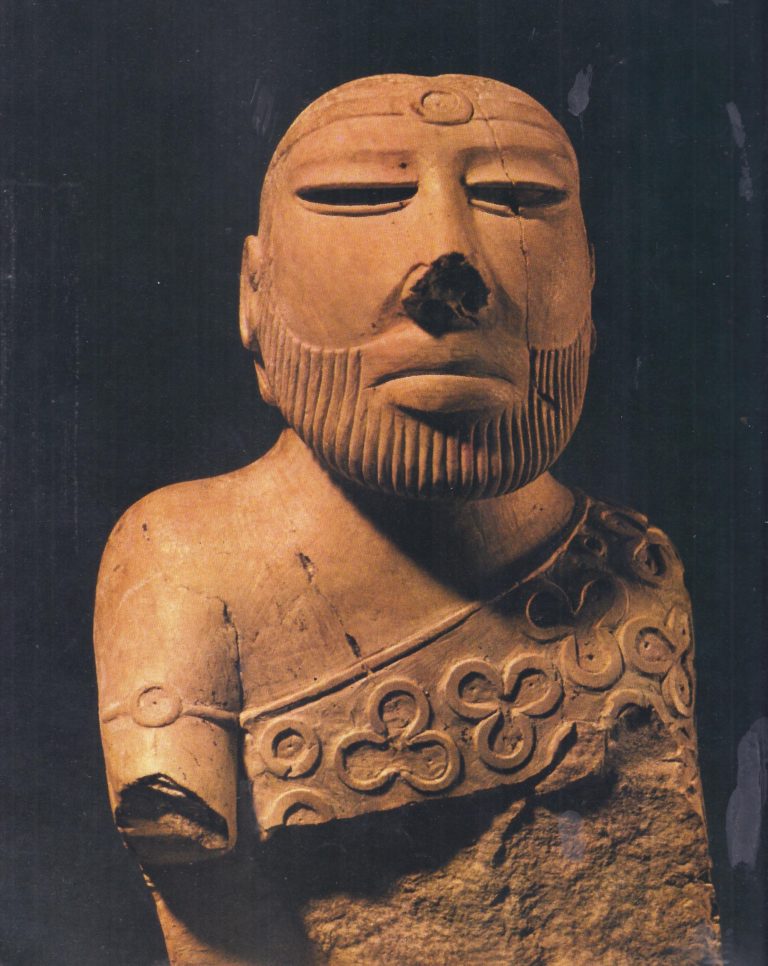
Aryan peoples from the North descended into India, radically affecting the native civilization, round about between 1750 to 1400 B.C. Some four thousand years ago in India, around the Indus Valley at Mohenjo-daro and farther north at Harappa, a civilization…
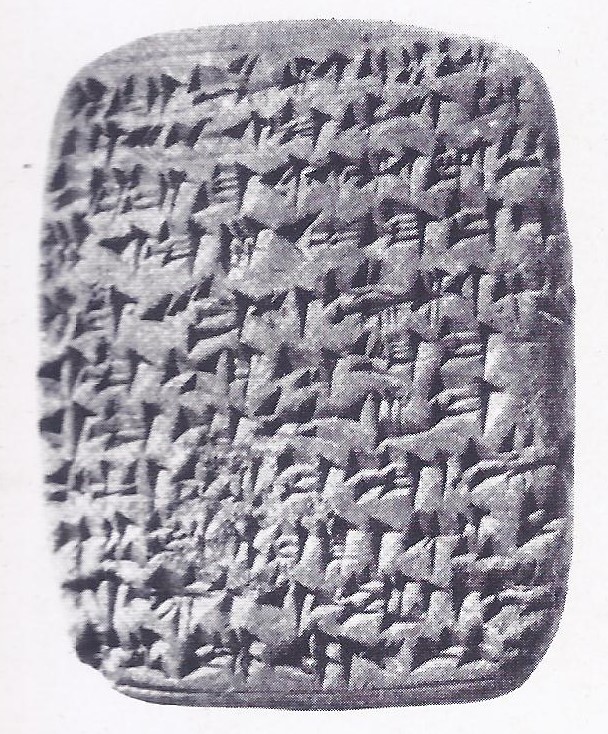
Palestine was possessed by Egypt. In the year 1887 an Egyptian peasant, digging in the ruins of an ancient city on the banks of the Nile, came across some baked clay tablets impressed with cuneiform writing. In due course these…