Category World War 2 and its Aftermath 1934 – 1944

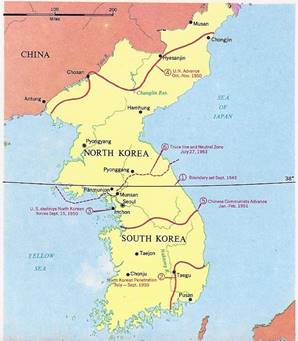
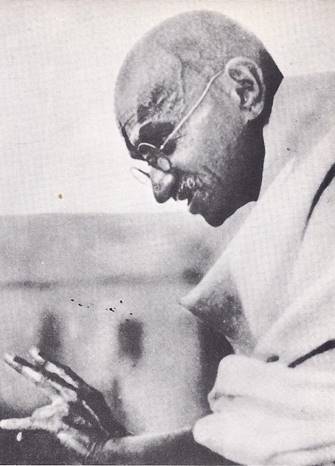
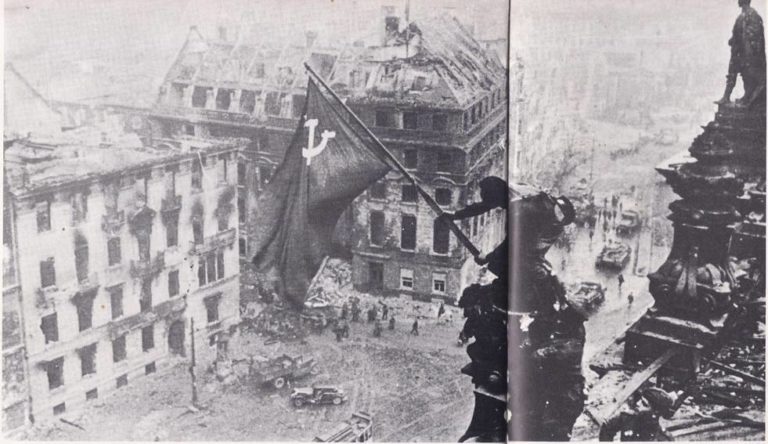
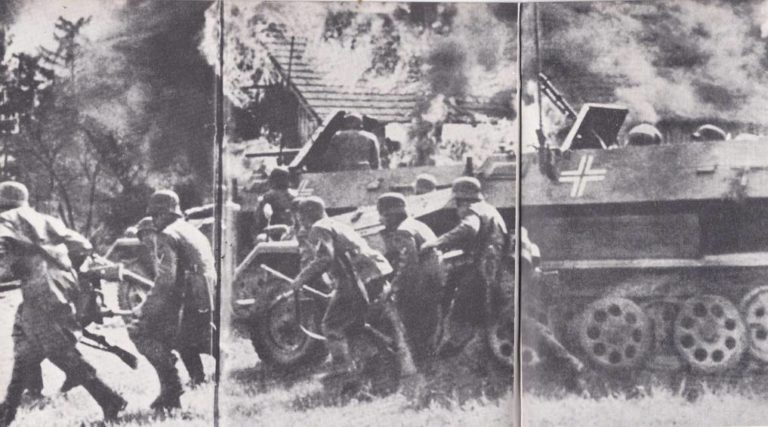
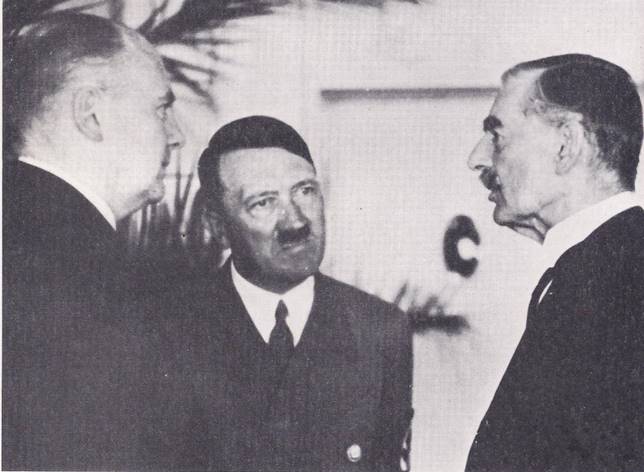
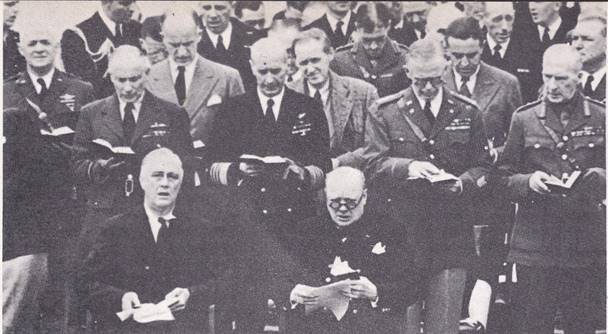
World War 2 history, important events in and their aftermath 1934 – 1944 1934 Dollfuss makes himself dictator of Austria but is killed in an unsuccessful Nazi coup; Chinese Communists begin the Long March, fleeing Chiang’s armies. 1935 Germany wins the Saar plebiscite and begins to re-arm. 1936 Germany seizes the Rhineland. 1937 Chinese Communists and Nationalists form a united front against a Japanese invasion. 1938 Hitler forces Austria to unite with Germany and is given much of Czechoslovakia after the Munich Conference. 1939 Germany and Russia sign a non-aggression pact; Russia invades Finland; Germany invades Poland; start of World War II. 1940 Germany conquers Denmark, Norway, Belgium and the Netherlands; the British are evacuated from Dunkirk; Churchill becomes British prime minister; France signs an armistice with Germany, which occupies half the country; Hitler tries to subdue Britain by heavy bombing attacks, but loses too many planes to continue the Battle of Britain. 1941 Yugoslavia and Greece fall to Germany; Germany invades Russia; Japan invades Indo-china and bombs the American naval base at Pearl Harbor; the United States enters the war. 1942 Japan conquers the Philippines; a German threat to the Suez Canal is turned back at El Alamein; the allies invade North Africa; Japan suffers a serious naval defeat at the Coral Sea; the Russians inflict a crushing defeat on the Germans at Stalingrad, often called the turning point of the war. 1943 The allies invade Sicily; Mussolini is overthrown and Italy leaves the war; but German troops in Italy continue to fight the allied invasion; the U.S. recaptures the Solomon Islands from Japan. 1944 The allies invade Nazi-occupied France at Normandy; French resistance fighters liberate Paris; American forces land in the Philippines; much of the Japanese fleet is destroyed in the battle of Leyte Gulf; the Germans try to break the allied lines in the battle of the Bulge, but are hurled back. Important events in World War II and its aftermath 1945 – 1962 1945 The allies cross the Rhine; the U.S. captures Iwo Jima and Okinawa; Roosevelt dies; Mussolini is killed; Hitler commits suicide; Germany surrenders; atomic bombs are dropped on Hiroshima and Nagasaki; Japan surrenders; end of World War II; founding of the United Nations; the Nuremberg trials of war criminals begin. 1946 Italy is declared a republic; riots between Hindus and Moslems sweep through India; Communist and Nationalist forces begin battling for control of China. 1947 The U.S. intervenes in civil wars in Greece and Turkey; India and Pakistan gain independence. 1948 Gandhi is assassinated; Arab-Jewish strife increases in Palestine; Yugoslavia breaks away from Russia and closes its borders to Greek rebels; a Communist coup deposes the Czech government; Russia attempts to blockade Berlin, but the Western allies airlift supplies to the city; the U.S. inaugurates the Marshall Plan for economic recovery; the state of Israel is proclaimed. 1949 The UN negotiates a truce in Palestine; Chinese Nationalists flee to Formosa while the victorious Communists found the Chinese Peoples’ Republic. 1950 War breaks out in Korea; the U.S. and its allies intervene on the side of the south, while China supports the north. l951 MacArthur is removed from command in Korea; truce negotiations begin. 1953 A cease-fire is concluded in Korea; Farouk of Egypt is deposed by nationalist army officers. 1954 The French withdraw from Indochina after a serious defeat at Dienbienphu. 1956 Britain, France and Israel invade Egypt, but withdraw after widespread protest; Algerians revolt against French rule. 1958 An army revolt overthrows the French republic and brings Gen. de Gaulle to power. 1961 Generals who oppose de Gaulle’s Algerian policy revolt, but are quickly suppressed. 1962 Algeria gains independence; fighting between India and China.