The Athenian Empire
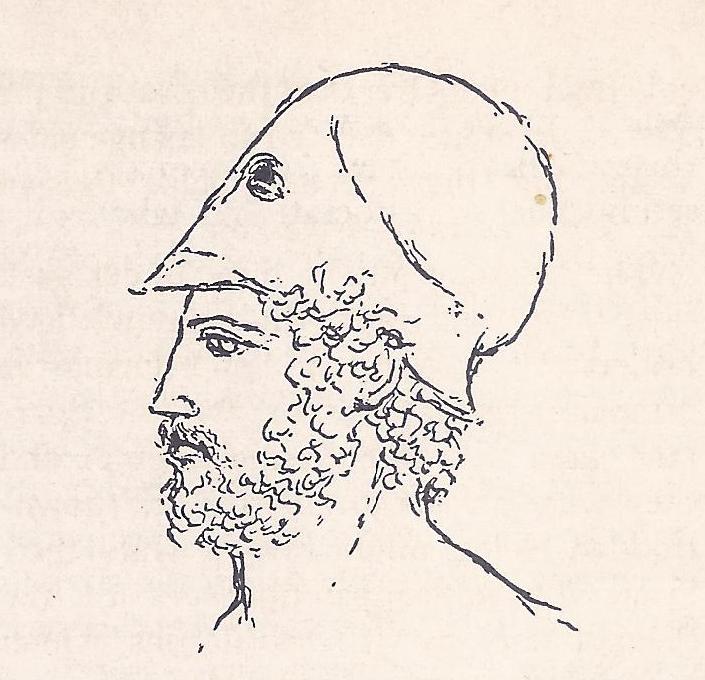
Cimon was rich and pro-Spartan, but generous. He kept open house and invited the public to make use of his garden and grounds. It was said that he got riches that he might use them and used them that he…
5000 Years of History. Wisdom. Heritage. Vision.
Cimon was rich and pro-Spartan, but generous. He kept open house and invited the public to make use of his garden and grounds. It was said that he got riches that he might use them and used them that he…
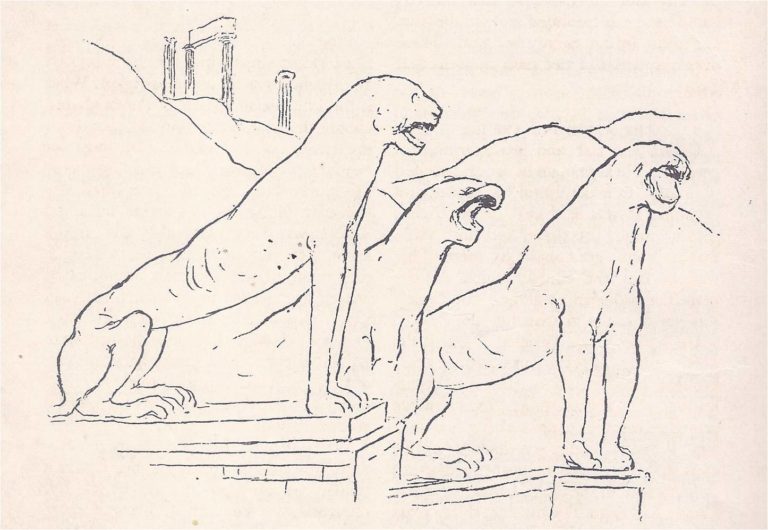
Delos a Greek island in the Cyclades archipelago was an important religious centre in the Archaic and Classical periods. The island was also a major commercial and trading centre in the 2nd and 1st centuries CE. About the same time as the land victory at…

The annual festival of the Great Dionysia, in March of the year 468, was not only remarkable for the victory of twenty-seven year old Sophocles over the honoured and battle-scarred Aeschylus, who was now approaching sixty. There was something else.…
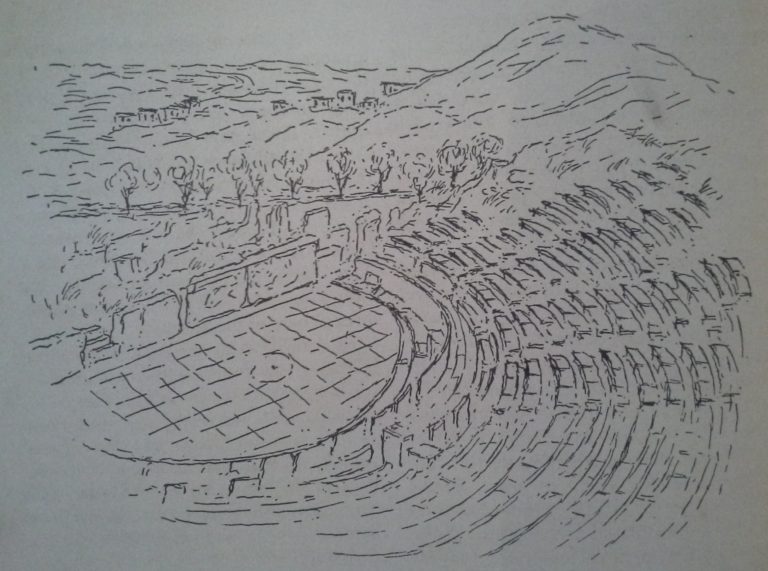
Play-acting had been developing at Athens since Peisistratus had introduced the Dionysia and the Panathenaea festivals; but to call it play-acting in the early stages gives a false impression. It was more like open air opera and ballet with a…
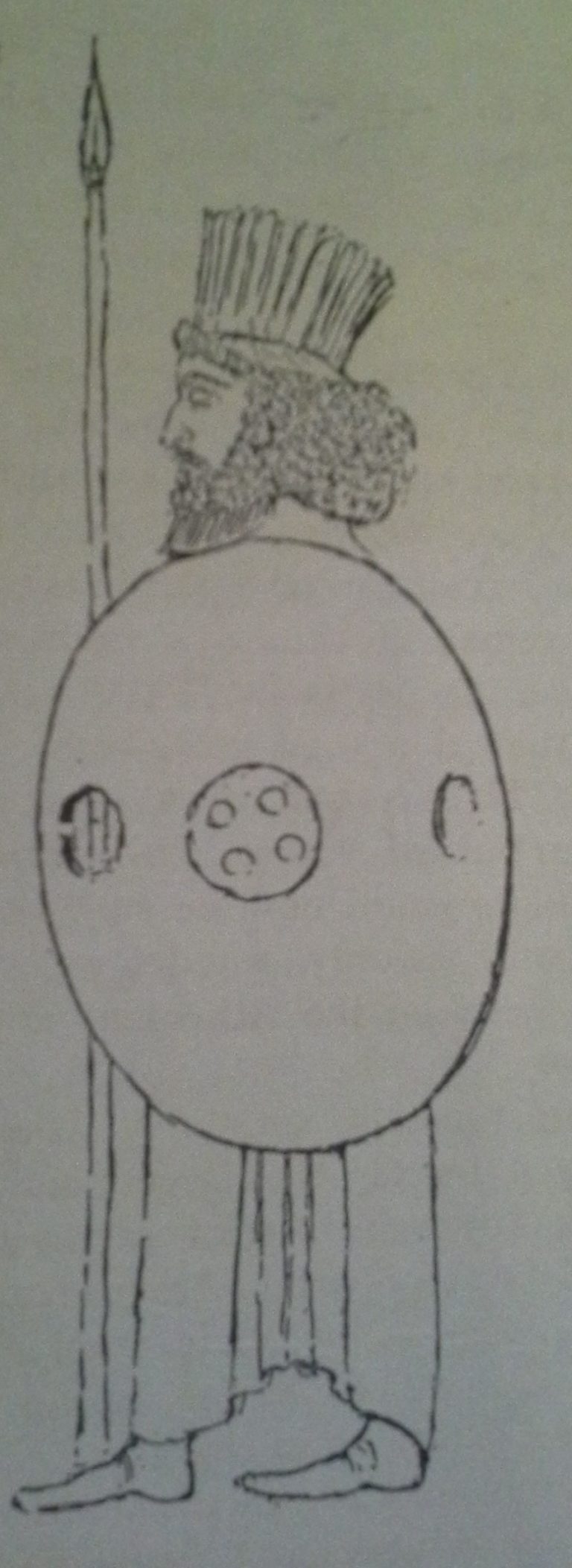
After Thermopylae the Spartans were only interested in defending the Peloponnese. Their next line of defence was across the Isthmus of Corinth. The atmosphere on the two sides of that line was now very different. Much of the Peloponnese was…
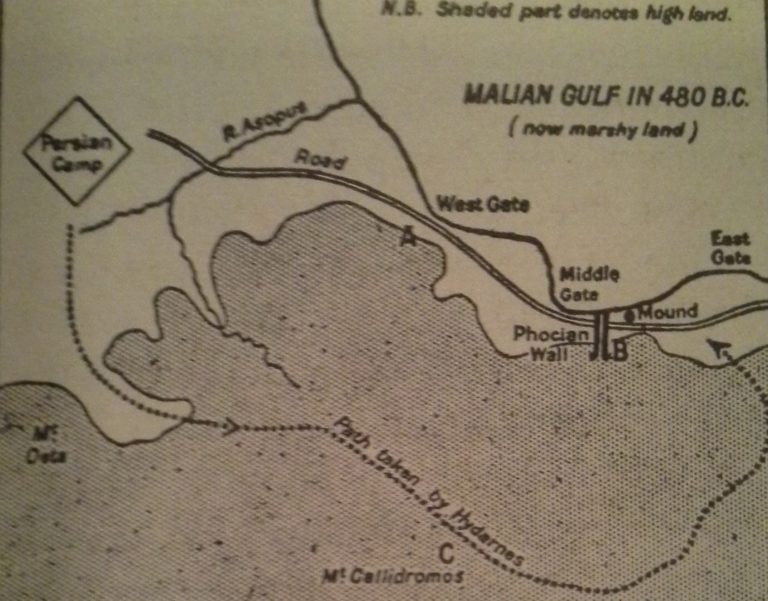
The first narrow place where the Persians might have been held was the pass of Tempe in the north of Thessaly. A force was sent there but withdrew when news came that the Persians might take another route and outflank…
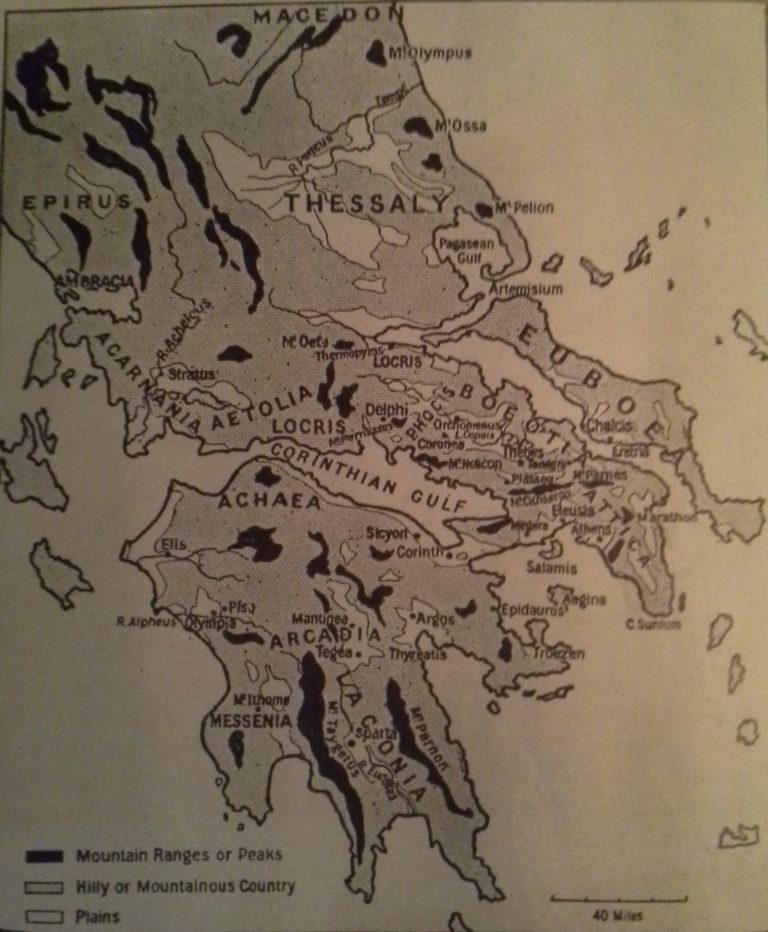
Darius I died in 486. In the last years of his life he had no need of the slave who had whispered. “Sire, remember the Athenians.” He remembered Marathon all too well and was making preparations for another attack on…
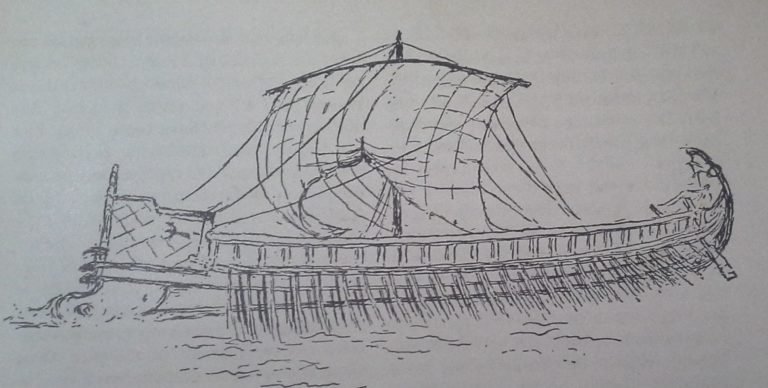
After a battle there is a great deal of clearing up to be done. A small part of the Athenian force had been left behind to do this. The general in command was Aristides. “The Just”. There was no fear…
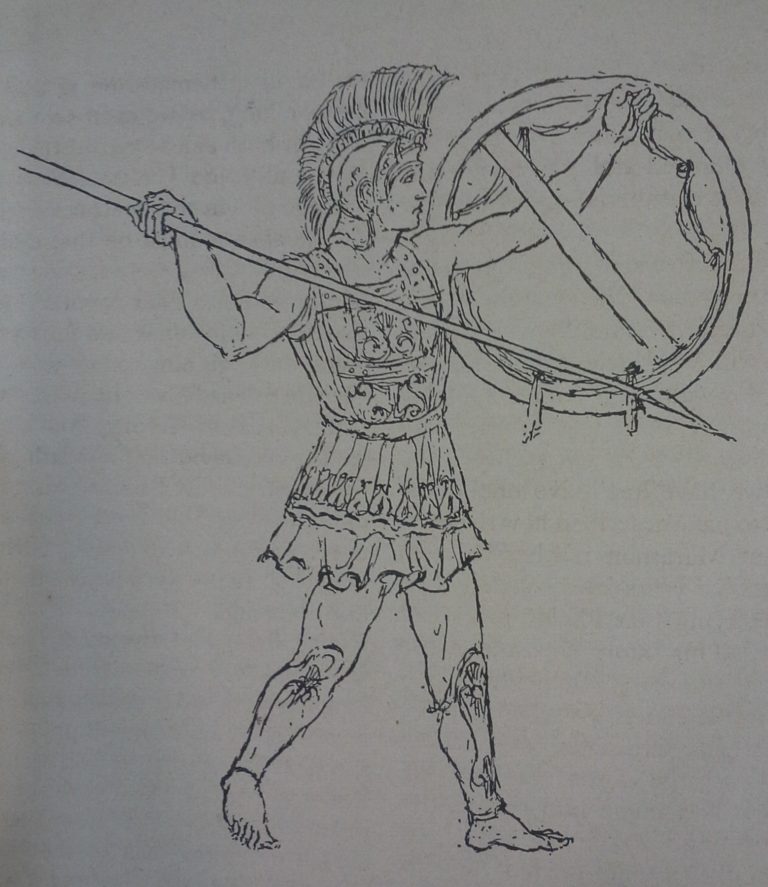
Both Sparta and Athens were determined to fight, — so determined that they had behaved outrageously towards Persian ambassadors who had visited them to demand submission. The traditional way of doing this was to ask for “earth and water” but…