Greek Against Greek 430 B. C. – 404 B. C.
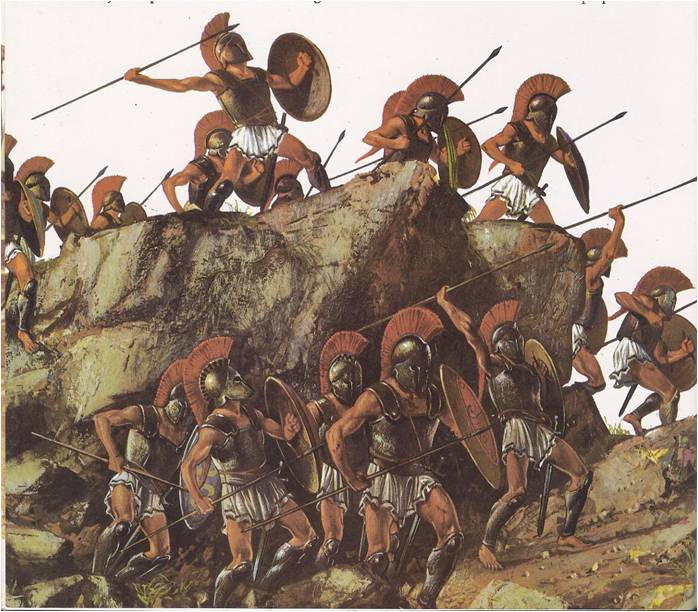
About 425 B. C., a lonely man, in a country that was not his own, sat down to write the story of a war that had begun six years before. Thucydides, an Athenian, had fought in the war’s first battles.…
5000 Years of History. Wisdom. Heritage. Vision.
Important events in the early civilization of Ancient Greece 400,000 B. C. to 323 B. C. 3000 B. C. Soldiers from Asia Minor land on Greece and settle there. 2200-1400 B. C. Crete at the height of power at Knossos and Phaestus built. 1500 B. C. Achaean kings build stronghold at Mycenae. 1400 B. C Destruction of palaces at Knossos and Phaestus, probably by Greek raiders from the Peloponnesus. Decline of Cretan civilization. 1400-1200 B C. Age of Mycenae. 1185 B. C. Troy destroyed by Achaeans. 1100 B. C. Dorian invasion of Achaean cities. Mycenae destroyed. 1000 B. C. Dark ages of Greece. Durians invade Peloponnesus, Crete and Rhodes; Aeolians invade Thessaly and Boeotia; Ionians from Attica cross to Western shore of Asia Minor. 800 B. C.-700 B. C. Formation of the city states and rise of aristocrats. 800-600 B. C. Colonization begins as Greece becomes overpopulated. 776 B. C. First Olympic games said to be held. 750 B.C. Homer writes The Illiad and The Odyssey. 621 B. C. Draco writes a code of harsh laws for Athens. 594 B. C. Solon is chosen to lead Athenians and replaces Draco’s laws with a code of his own. 561 B. C. Pisistratus becomes tyrant of Athens. 544 B. C. After being exiled, Pisistratus returns and is tyrant again. 528 B. C. Death of Pisistratus. 507 B. C. Sparta invades Attica and brings about the fall of the tyrant sons of Pisistratus. Cleisthenes leads Athens towards democracy. 499 B. C. Athens and Eretria send help to Ionians resisting Darius of Persia. 492 B. C. First attack by Darius against Athens and Eretria. 490 B. C. Eretria is burned in Darius’ second attack. The Athenians win the Battle of Marathon. 485 B. C. Darius dies and is succeeded by Xerxes. 480 B. C. Themistocles becomes leader of Athens, Xerxes defeats Greek army under Leonidas at Thermopylae. Athenians flee to Salamis. The Persian fleet is defeated at the battle of Salamis. 479 B. C. Persians retreat after losing Battle of Plataea to Spartans. 461 B. C. Pericles becomes leader of Athens and the Golden Age of Athens begins. 431 B. C. Beginning of Peloponnesian Wars. Thebans attack Plataea, Athens’ ally. Attica invaded. 430 B. C. Plague in Athens. Athenians depose Pericles and then reappoint him. Attica invaded again. 429 B. C. Pericles dies. Siege of Plataea. 428 B. C. Cleon, leader of pro-war group, opposes Nicias. 425 B. C. Thucydides begins to write history of the war. 422 B. C. Cleon killed in Thrace. 421 B. C. Peace of Nicias signed by Athens and Sparta. 415 B. C. Alcibiades, Lamachus and Nicias command expedition to Sicily. Alcibiades recalled, flees to Sparta. 413 B. C. Athenian forces in Sicily wiped out. 411 B. C. Sparta and Persia sign treaty. 405 B. C. 10,000 Greeks join Cyrus of Persia’s army. After death of Cyrus, the Athenian Xenophon leads the Greeks home. 399 B. C. Death of Socrates. 347 B. C. Death of Plato. 343 B. C. Aristotle tutors the young Alexander, son of King Philip of Macedonia. 338 B. C. Philip invades Greece and wins Battle of Chaeronea. 336 B. C. Philip is assassinated and is succeeded by Alexander, who is elected general of the Greeks. 333 B. C. At battle of Issus, Alexander defeats Darius of Persia. 331 B. C. Alexander conquers Egypt and defeats Persian army at Gaugamela. 330 B. C. Darius dies. Alexander subdues Iran. 323 B. C. After Alexander’s death, his empire is divided into three parts. Antigonus claims Greece.
About 425 B. C., a lonely man, in a country that was not his own, sat down to write the story of a war that had begun six years before. Thucydides, an Athenian, had fought in the war’s first battles.…
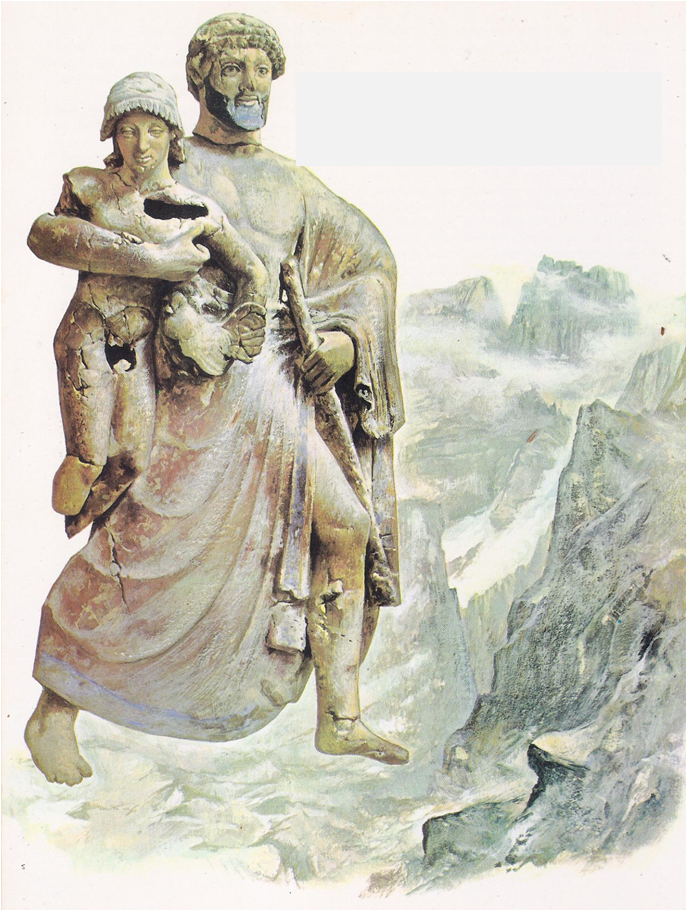
In the first years of Spartan peace, Greece was filled with wandering soldiers. Their little cities needed them no more. The new governments, which Spartans appointed, looked on them as men who might make trouble and were quick to get…
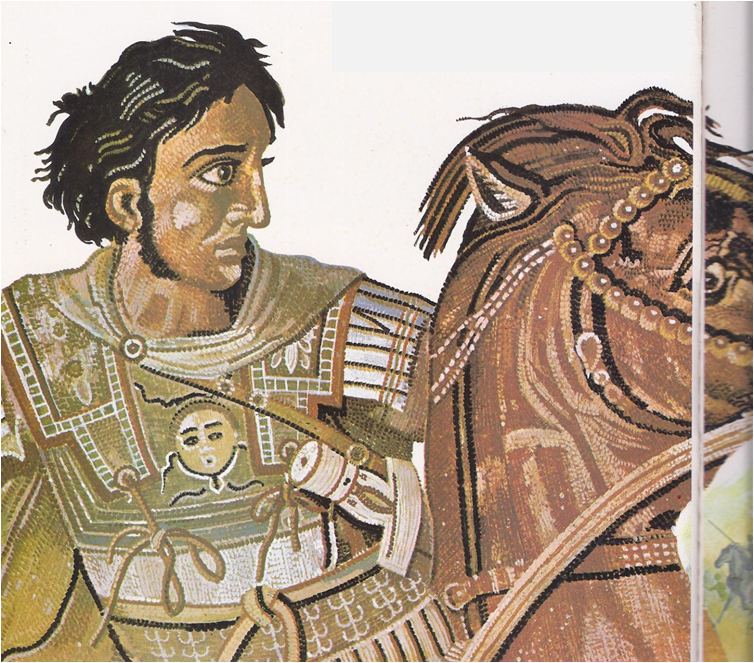
In 343 B. C., the philosopher Aristotle left the quiet of his study and journeyed to Macedonia, a country in the mountain wilderness north of Greece. He had been hired to tutor the rowdy young son of a king. The…
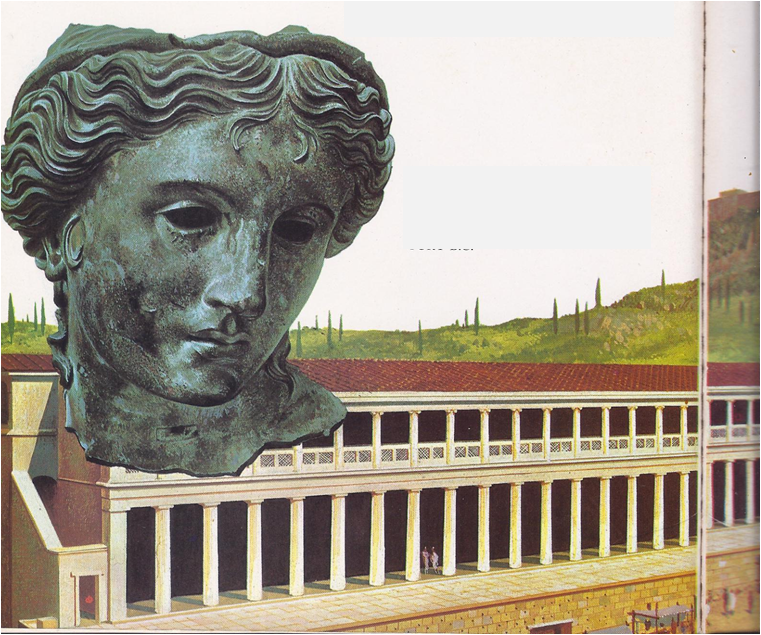
In the last years of the fourth century B. C., Greek citizens going about their business in the stoas or the shops sometimes stopped and wondered what was wrong. Everything seems strange. They themselves had not changed and their cities…