Category Western Imperialism Influences Many Parts of the World

Western Imperialism. The Industrial Revolution described earlier had consequences far beyond western Europe and the United States where it made its most rapid progress. The Industrial Revolution led to bitter rivalry between industrial powers for control of sources of raw materials, markets for manufactured articles and places in which to invest profits. Here we describe this rivalry of western imperialism and its effect on several parts of the world up to the outbreak of World War II.
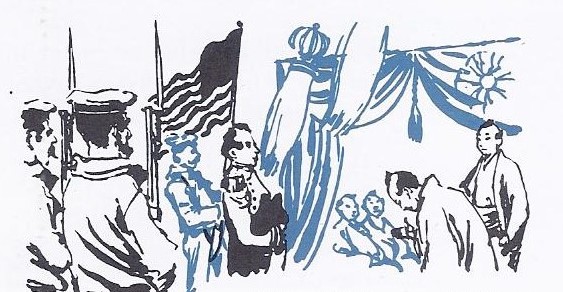
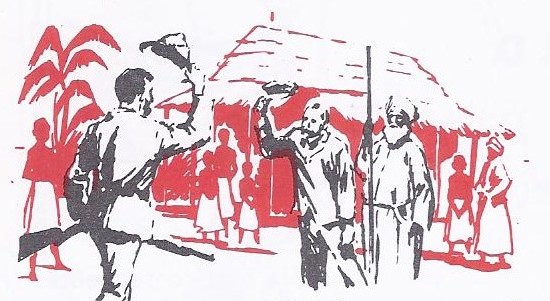
Contacts with the Western World took different forms in different places. European powers carved out colonies in Africa. Sometimes the scramble for colonies led nations to the brink of war. In the Far East, European powers penetrated the coastal areas of China and opened up Japan to Western trade and ideas. Unlike China, Japan quickly made far-reaching changes in its industry and armed forces. As a result, in less than a century, Japan became the foremost power in the Far East.
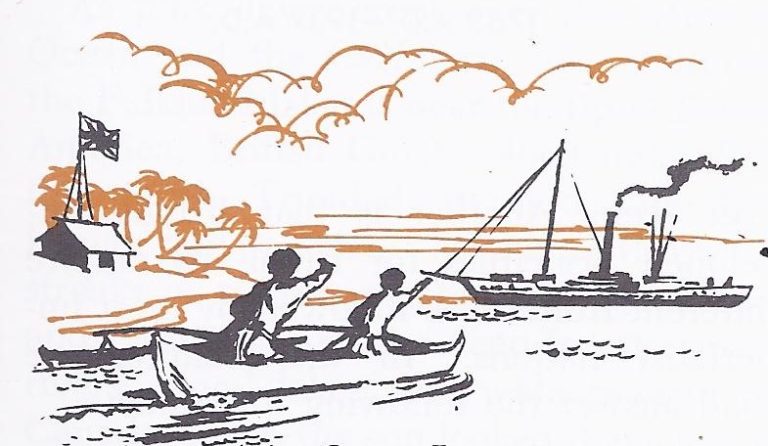
Further revealed is a brighter side of colonialism. British settlers brought their ideas and customs to colonies where they settled. In time such former colonies as Canada, Australia and New Zealand became self-governing. Britain also extended varying degrees of self-rule to other colonies. Out of the former British Empire grew the present Commonwealth of Nation.
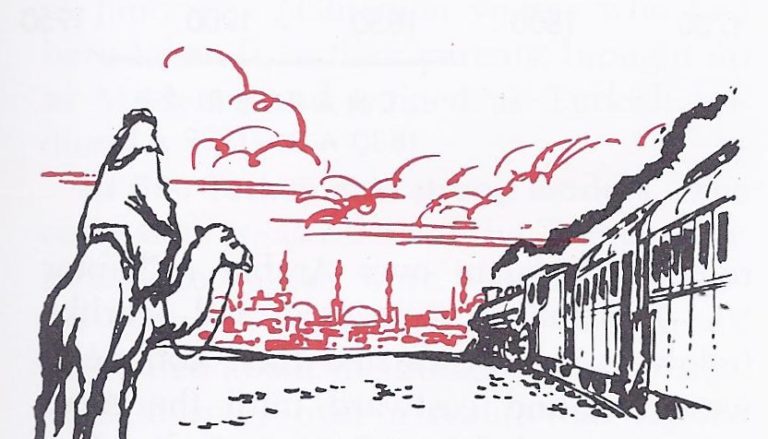
Although Latin American countries retained their independence, economic life in many of them was controlled by outside nations. Indeed, until recently, most Latin American countries felt that the United States threatened their independence. Finally, Western imperialism, taking advantage of Turkey’s weakness, made gains within the Moslem world, but in the Moslem world, as elsewhere, outside control aroused national feelings and movements for independence.