Category Renaissance 1277 – 1603

Renaissance history 1277 – 1603 was the period of cultural rebirth. Important dates and events in the Renaissance, 1277 – 1503
1277 Milan comes under the power of the Visconti family.

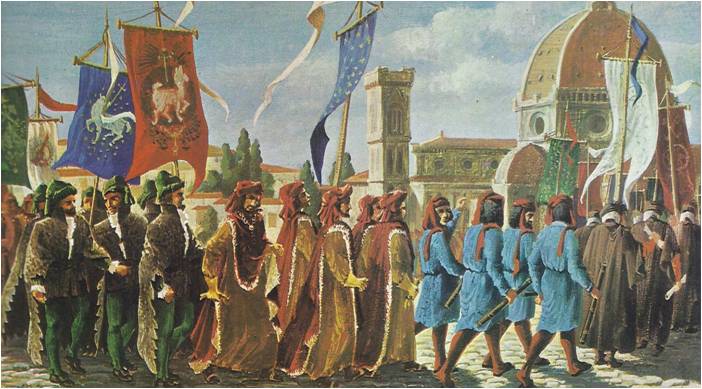
1293 Florentine guildsmen proclaim their city a republic.

1309 Unrest and war in Rome and Italy. The papal court moves to Avignon in France.

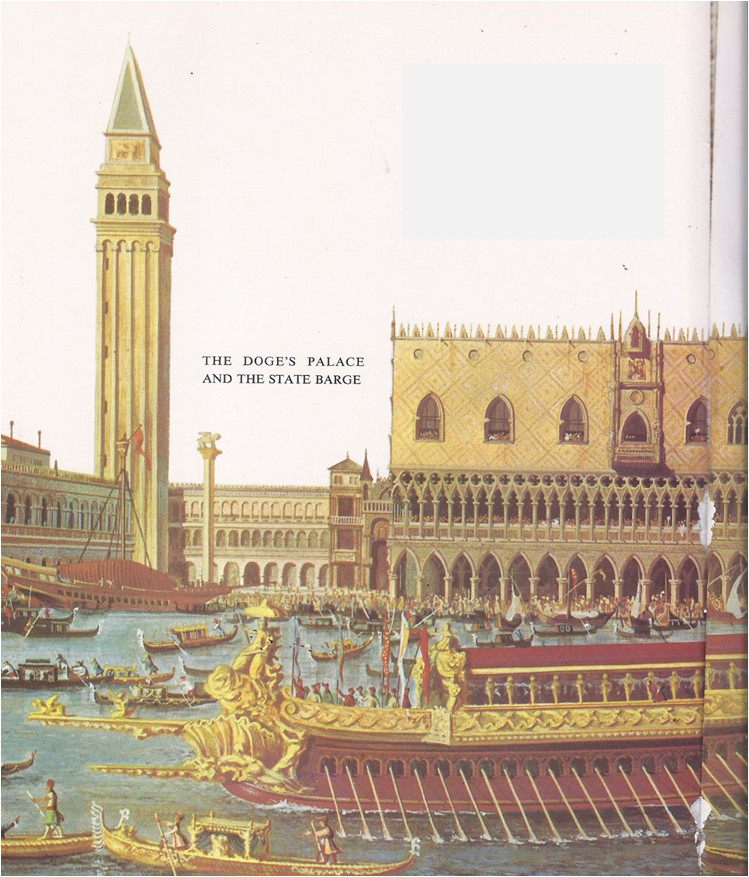
1310 Venice crushes a rebellion and consolidates its power.

1336 The poet Petrarch visits Rome. His interest in the writings of ancient Rome mark the beginnings of Renaissance humanism.

1353 Boccaccio’s book of tales, The Decameron, is published.

1378-1417 The great Church schism. Two popes, in Rome and Avignon‚ each claim to lead the church.

1385 Gian Galeazzo Visconti brings power and splendour to Milan.

1405 Venice begins 75 years of conquests on the mainland as the Visconti holdings break up.

1417 The Council of Constance ends the Church schism. Rome again becomes the one capital of the Church.

1423 In Florence the work of the painter Masaccio helps to establish a new style in art.

1434 Cosimo de’ Medici establishes his family as the masters of Florence, now a great center of art and learning.

c. 1440 In Germany the invention of movable type makes possible printed books.

1450 Francesco Sforza, a condotierre, wins Milan and comes to terms with Naples and the Medici.

1453 Constantinople falls to the Turks.

1469-1492 Lorenzo the Magnificent rules Florence in a Golden Age of art and humanism.

1471-1484 Sixtus IV re-establishes the political power of the popes among the rulers of Europe.

1478 The Pazzi Conspiracy threatens the Medici in Florence; it is crushed after two years of heavy fighting

1479-1500 Milan’s Golden Age under Lodovico Sforza.

1493 Leonardo da Vinci completes The Last Supper.

1492-1503 Pope Alexander VI and his son, Cesare Borgia, plot and make war but fail to win an empire for their family.
Important dates and events in the Renaissance, 1494 – 1603
1494 The Medici lose Florence as Savanarola leads a movement for religious and moral reform.

1500 French invaders take Milan and imprison Lodovico Sforza.

1504-1508 The court of Urbino is the model for Castiglione’s The Courtier, a book of instructions for gentlemen.

1504-1513 Pope Julius II rallies the Italians to drive out foreign troops. He gives Rome its great age of art.

1508 Raphael begins a series of great paintings for the pope.

1508-1512 Michelangelo paints his great frescoes on the ceiling of the Sistine Chapel.

1509 Erasmus, leading humanist of the northern Renaissance, writes In Praise of Folly.

1513 Machiavelli writes The Prince, a book of instructions for rulers and the first modern book on politics.

1513 Giovanni de’ Medici becomes Pope Leo X and makes Rome a centre for poets and humanists but is unable to deal with the start of the Reformation in Germany.

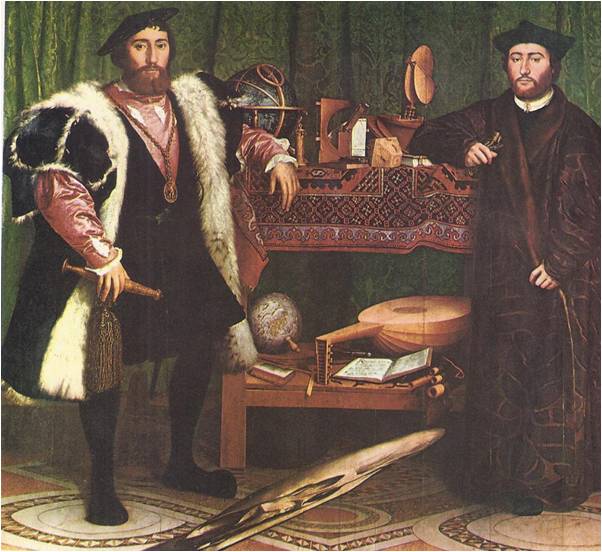
1515 Francis I is crowned king of France and invades Italy. The Renaissance spreads to France and influences art and literature.

1523 Charles V becomes Holy Roman Emperor. His rivalry with Francis I leads to wars in which Italy often is the battlefield.

1527 The sack of Rome by troops of the emperor marks utter defeat for the pope and Rome.

1531 Charles V and the Medici Pope Clement VII sign a treaty. Florence is given to the Medici; the end of the republic.

1555 Charles V retires and divides his empire in two.

1556 Philip II is crowned king of Spain and the lowlands. He fosters Renaissance art, but his harsh laws lead to a revolt in the Netherlands.

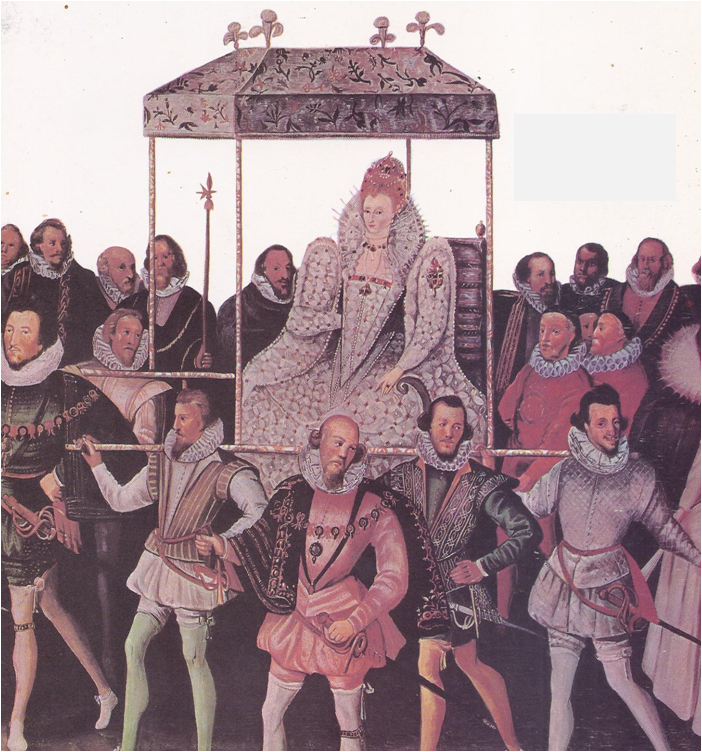
1558 Elizabeth I comes to the throne of England.

1576 The death of Titian marks the decline of the Renaissance in Venice and Italy.

1588-1603 Destruction of the Spanish Armada begins an age of triumph for Elizabethan England, an era of great literature.

Renaissance history, ended the middle ages.