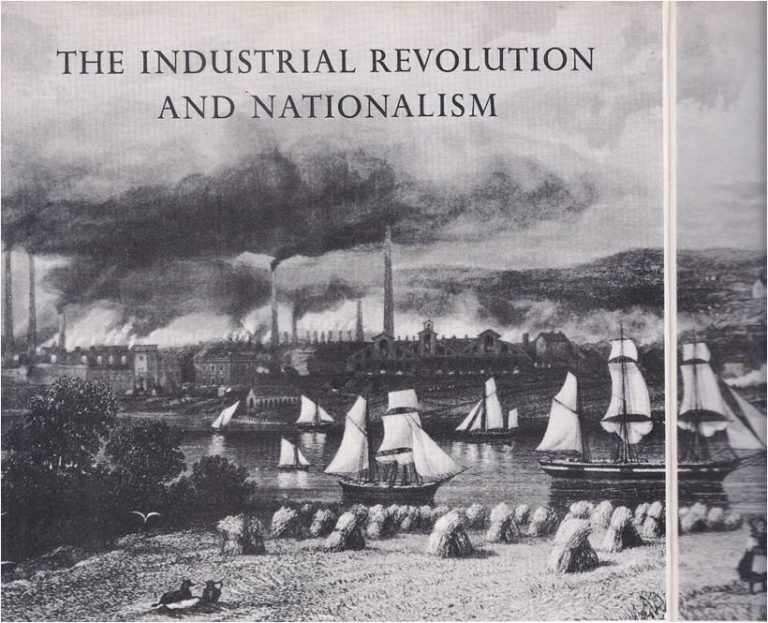
Category Industrial Revolution and Nationalism 1702 – 1906

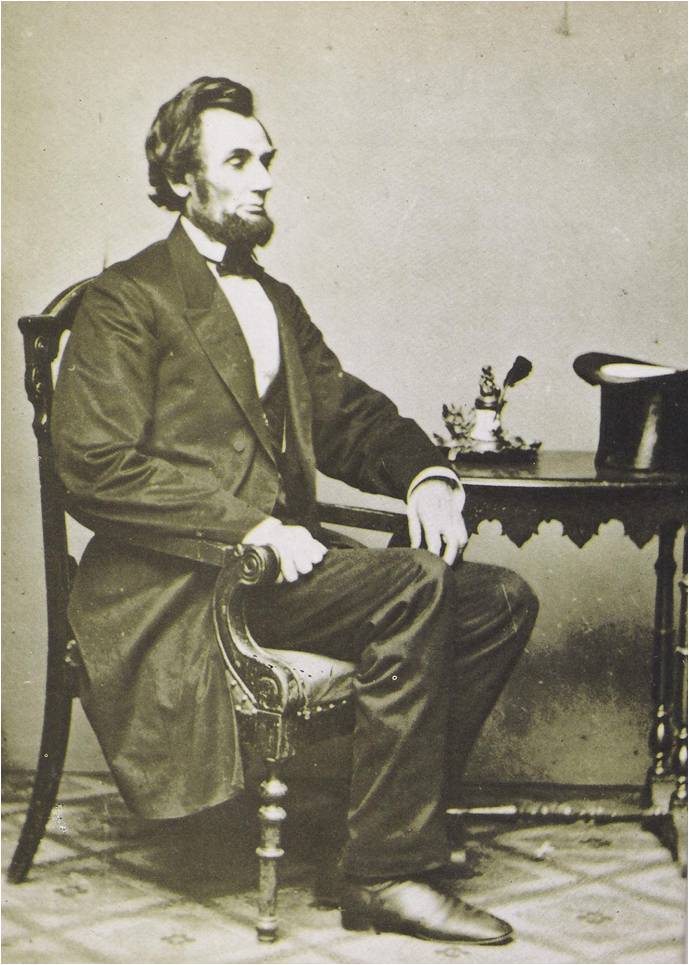
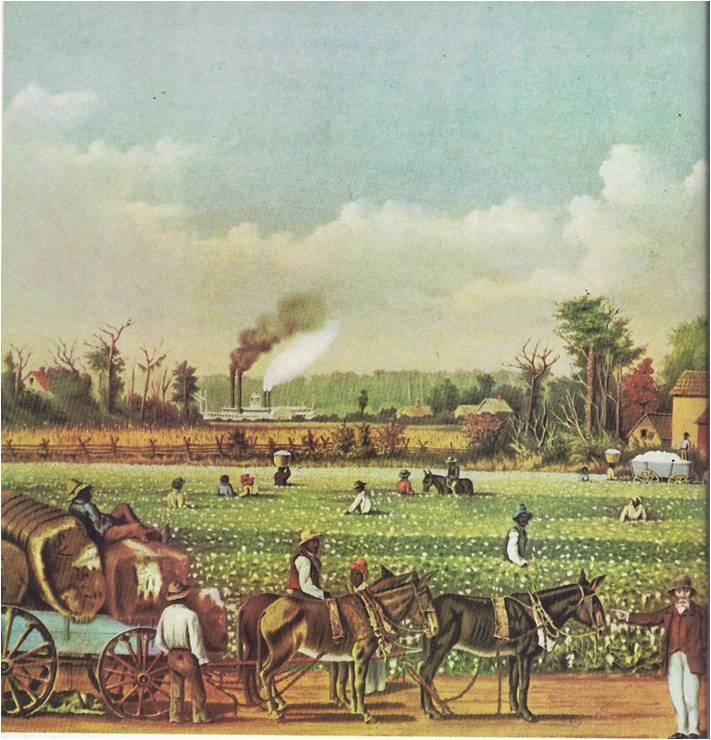
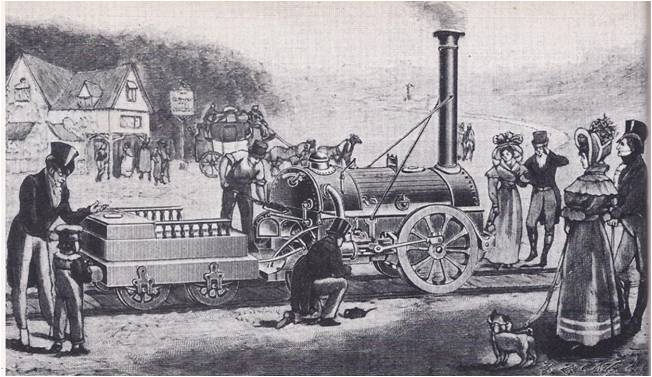
INDUSTRIAL REVOLUTION EVENTS AND THE RISE OF NATIONALISM 1702 – 1848 1702 Newcomen invents the first practical steam engine, used to pump out mines. 1733 Kay’s fly shuttle is the first major improvement in weaving. 1769 Watt perfects his steam engine, which finds wide use in manufacturing. 1784 Cartwright invents a power loom which revolutionizes the production of textiles and helps the growth of the factory system. 1789 The United States adopts a constitution which gives greater power to the federal government was during the industrial revolution. 1793 Whitney’s cotton gin makes the raising of cotton profitable and the use of slaves spreads in the South. 1794 Federal troops put down the “Whiskey Rebellion” in Pennsylvania. 1798 The Federalists try to put down the Democrats and pass the Alien and Sedition Acts was an industrial revolution. 1801 The Federalists are defeated when Jefferson becomes President and repeals the Sedition Acts. 1806-1822 Revolts gain independence from Spain for most South American countries. 1807 Fulton develops the first practical steamboat, a big event in the industrial revolution 1814 Stephenson invents the first practical steam locomotive. 1823 The Monroe Doctrine warns Europe against intervening in the Latin American countries during the industrial revolution. 1825 The Decembrist revolt by young Russian army officers is easily suppressed by the tsar. 1829 Jackson becomes U.S. President and extends democracy. 1830 A revolution in France overthrows Charles and brings Louis Philippe to the throne. 1831 Mazzini founds Young Italy, a revolutionary society. 1832 The Reform Act in England ends many abuses in the system of elections. 1833 England outlaws slavery in its colonies. 1847 The Ten Hour Act in England limits the hours of work for women and children. 1848 Louis Philippe flees when revolution breaks out in Paris; revolts in Austria, Germany and Italy are put down; Louis Napoleon becomes president of France. EVENTS IN THE INDUSTRIAL REVOLUTION AND THE RISE OF NATIONALISM 1850 – 1906 1850 The Compromise of 1850 in the US. fails to do away with slavery as an issue between the North and the South. 1851 Louis Napoleon overturns the French Republic and names himself emperor. 1854 The Kansas-Nebraska act marks the break between North and South. 1857 The Dred Scott decision encourages the slaveowners. 1859 John Brown seizes an armory at Harpers Ferry and calls for a slave uprising; his hanging for treason enrages many in the North. 1860 Lincoln is elected President; South Carolina secedes from the Union, followed by the other Southern states. 1861 Formation of the kingdom of Italy; Alexander ends serfdom in Russia; the South fires on Fort Sumter, starting the Civil War; a Union defeat at Bull Run ends hopes for a quick victory. 1862 France invades Mexico and puts it under a puppet emperor. 1863 The tide turns when the South is defeated at Gettysburg and Vicksburg. 1864 Sherman begins his march from Atlanta to the sea. 1865 General Lee’s surrender at Appomattox ends the Civil War. 1866 Prussia easily defeats Austria, paving the way for German unification. 1867 Bismarck forms the North German Confederation, led by Prussia; the Austrian Empire becomes Austria-Hungary; England passes the British North America act, granting Canada dominion status. 1870 Prussia defeats France; Napoleon III abdicates and flees. 1871 The German Empire is formed with William of Prussia as emperor; Parisians revolt and form the Commune but are suppressed; the Third French Republic is formed. 1881 Revolutionaries assassinate Tsar Alexander of Russia. 1884 The Reform act in Great Britain extends the right to vote to all adult males. 1894 Dreyfus, a Jewish officer in the French army, is falsely accused and convicted of selling secrets. 1906 After widespread agitation, Dreyfus is freed.